As an Amazon Associate this site earns from qualifying purchases.
If you record in a small carpeted bedroom with bare walls, a hollow closet door, and a window that bounces every plosive back at you, you've probably wondered whether the shure sm7b untreated bedroom podcasters keep raving about is actually going to rescue your sound. The short answer: yes, more than almost any other microphone in its price range. The SM7B is a cardioid dynamic broadcast mic with a tight pickup pattern and famously low sensitivity, which means it ignores most of the room reflections that ruin condenser recordings. It won't make your space sound like Abbey Road, but it will make your voice sound thick, intimate, and broadcast-ready with surprisingly little fuss.
This guide is written specifically for people recording at home in spaces that were never designed for audio: rented bedrooms, dorm rooms, converted closets, and shared apartments where you can't drill acoustic panels into the walls. We'll cover why the SM7B physically rejects bad room sound, what gain and interface you need to drive it properly in 2026, where to place it, and the cheap fixes that get you 80% of the way to a professional recording without spending a cent on foam.
Why the SM7B Thrives in Untreated Rooms
Most podcasters start with a USB condenser because that's what gets recommended in YouTube videos. Condensers are extremely sensitive — they pick up the cat in the next room, the fridge hum down the hall, and every reflection bouncing off your bedroom drywall. In a treated studio, that sensitivity is a feature. In an untreated 10x10 bedroom, it's the reason your podcast sounds like it was recorded in a bathroom.
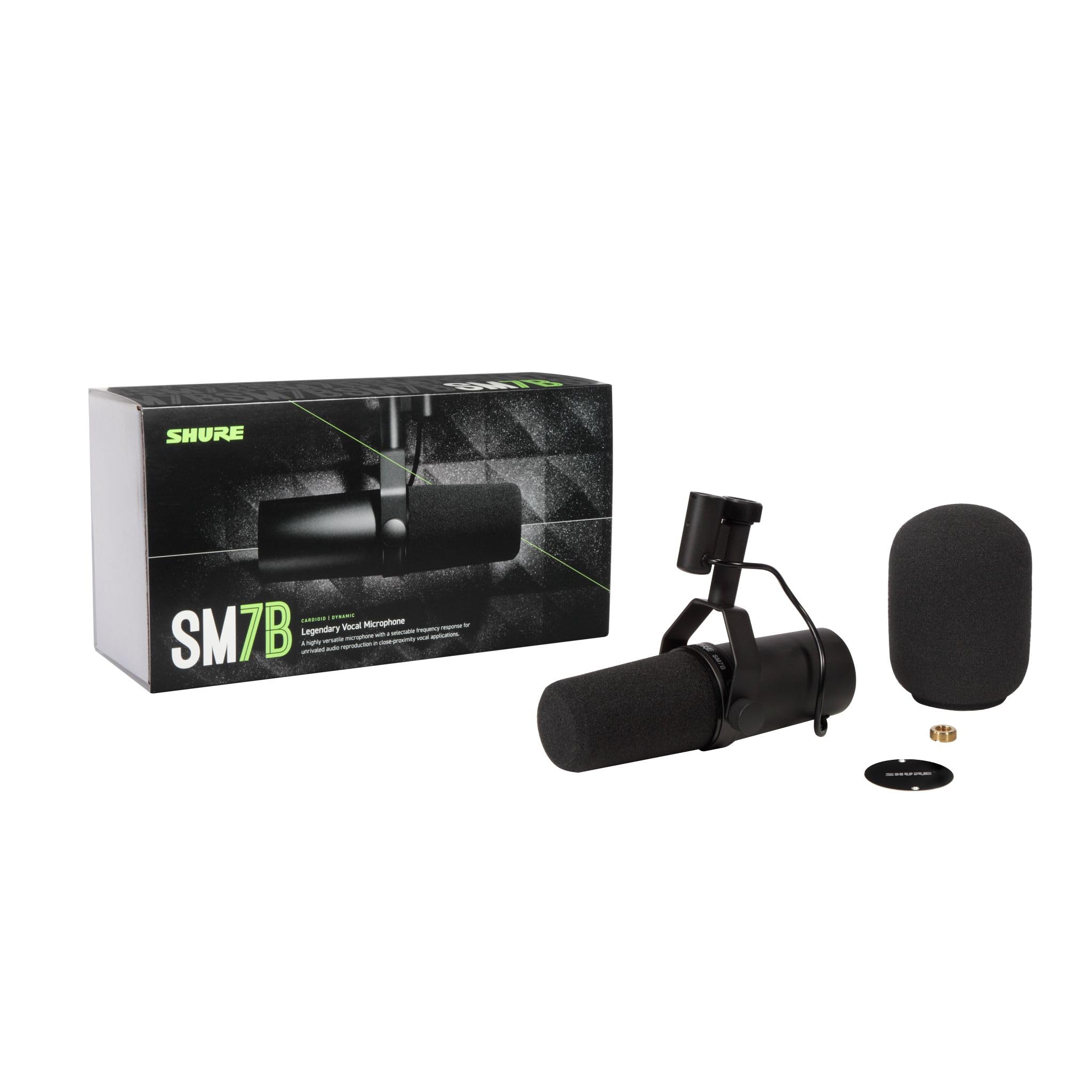
The Shure SM7B is the opposite tool. It's a dynamic mic, which means it relies on a heavier moving coil instead of a delicate diaphragm and phantom power. Three properties make it exceptional for the shure sm7b untreated bedroom podcasters scenario:
- Tight cardioid polar pattern. The SM7B aggressively rejects sound coming from the sides and rear. Position the back of the mic toward your loudest reflection point (usually a bare wall or window) and that reflection essentially disappears.
- Low sensitivity by design. You have to speak close to it — within an inch or two — for it to register strongly. That proximity dramatically improves your voice-to-room ratio. Reflections from six feet away arrive much quieter than your lips do.
- Built-in air suspension and pop filter. The internal shockmount kills desk thumps and keyboard vibrations, and the foam windscreen handles plosives that would clip a condenser.
Combine those three traits and you get a microphone that records your voice clearly while treating your messy bedroom as if it barely exists. That's why broadcasters have used the SM7B since the 1970s, and why it became the default mic for shure sm7b untreated bedroom podcasters who can't physically modify their space.
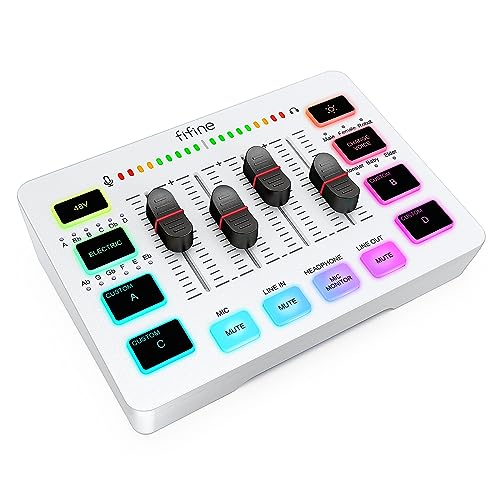
- [4-Channel Design] Featured four individual control channels, the gaming mixer can be individually adjusted different devices. You will gain a improved using experience via push
- [XLR Microphone Interface] Supporting XLR microphone input, the mixer improve audio performance of your microphone. Built-in 48V phantom power, the streaming mixer do not need the
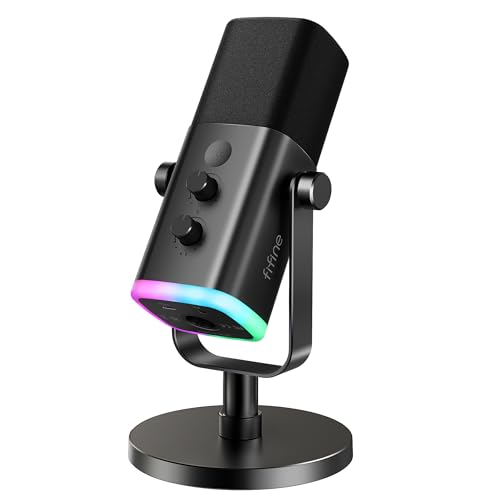
- [Natural Audio Clarity] Operated with frequency response of 50Hz-16KHz, the podcasting XLR mic delivers balanced audio range, likely to resonate with your audience. Directional
- [XLR Connection Upgrade-Ability] To use XLR connection, connect the podcast microphone to an audio interface (or mixer) using a separate XLR cable (NOT Included) . Well-connected
What You Actually Need to Drive an SM7B
The biggest mistake first-time SM7B buyers make is pairing it with an underpowered interface. The microphone needs roughly 60 dB of clean gain to reach a healthy recording level. Most budget interfaces top out around 50-56 dB, and the last few decibels of gain are usually noisy. If you've ever heard someone complain about a hissy SM7B, this is the cause — not the mic.
For a bedroom podcasting setup in 2026, you have three realistic options:
- An interface with high-gain, low-noise preamps. Modern Focusrite Scarlett 4th gen units, MOTU M-series, and the Universal Audio Volt range all provide enough headroom to run the SM7B without an inline booster. Compare options in our 2026 audio interface roundup.
- A weaker interface plus an inline preamp. Devices like the Cloudlifter, FetHead, or Triton FetHead add 20-25 dB of clean gain between the mic and your interface. This is the path most podcasters end up taking because cheap interfaces are everywhere.
- An all-in-one podcast mixer. Dedicated podcast mixers and audio production interfaces with onboard processing and high-gain channels handle the SM7B comfortably.
Whichever you choose, run a balanced XLR cable, set your gain so peaks hit around -12 dB, and stop worrying about "loudness" until after you've recorded. Loudness is a mastering decision, not a tracking decision.
Microphone Placement in a Real Bedroom
Placement matters more than gear when you're working untreated. The SM7B gives you natural rejection, but you have to point that rejection at the right things.
Step one: identify your worst reflective surface. Stand in the middle of your room and clap once. The slap-back you hear is bouncing off something. In most bedrooms it's the window, the bare wall opposite your desk, or the closet door. That surface needs to be behind the microphone, not behind you.
Step two: get close. The SM7B's sweet spot is roughly two to four inches from your mouth, slightly off-axis so plosives blow past instead of straight into the capsule. The closer you are, the more proximity effect you get (bassy, warm low end) and the more your voice dominates the room. Three inches is a good starting point for most voices.
Step three: angle the mic. Tilt it about 15 degrees off your direct mouth axis. This reduces sibilance and plosives while keeping your tone present. The SM7B has two response switches on the back — leave the bass rolloff off unless you're getting muddy, and try the "presence boost" if your voice sounds dull.
Step four: kill the desk. Most bedroom podcasters mount the mic on a desk-clamped boom arm. Hard desks ring. Put something soft between the clamp and the desk surface (a folded towel works), and route the cable through the boom arm rather than letting it dangle and tap.
If you want a deeper dive into mic technique across body types and voice ranges, our walkthrough on how to choose the right microphone for podcasting covers it in detail.
Cheap Treatment That Still Helps
The SM7B forgives a bad room, but it doesn't make the room disappear. A few targeted changes will push your recording from "good" to "professional," even if you can't drill into walls or spend hundreds on panels.
- Hang heavy blankets behind you and behind the mic. A thick comforter on the wall behind the microphone absorbs the reflections it picks up off-axis. Two blankets are better than one.
- Record facing your closet, with the door open. A closet full of clothes is an excellent broadband absorber. Pointing the mic into it gives you a nearly free vocal booth.
- Throw a thick rug on hard floors. Floor reflections sneak into the mic from below. A rug under your chair and desk kills them cheaply.
- Cover the window. Glass is the worst surface in any home studio. Heavy curtains, closed during recording, make a noticeable difference.
- Move away from the wall. Pull your desk a foot or two away from the nearest wall. The further you are from any flat surface, the longer reflections take to arrive and the less they smear your voice.
These five moves cost almost nothing and address the actual problems that ruin bedroom recordings. For more detailed acoustic strategies, see our guide on reducing echo in home studios and our walkthrough on building a soundproof home studio on a budget.
Common SM7B Mistakes Bedroom Podcasters Make
Watching beginners struggle with this microphone, the same five mistakes show up over and over.
1. Treating it like a condenser. The SM7B is not a "speak from a foot away" microphone. If you back off, your voice gets thin and the room takes over. Stay close.
2. Skimping on gain. Running it off a generic budget interface without an inline preamp gives you hiss instead of voice. Either get a high-gain interface or add a Cloudlifter-style booster.
3. Leaving the presence boost switch on permanently. The boost cuts low-mid warmth. Most voices sound better with it off in a podcast context. Test both.
4. Recording with computer fans nearby. Dynamic mics reject room reverb but they still hear constant noise that's close. Move your PC tower under the desk, away from the mic, or use a laptop.
5. Over-processing in post. The SM7B sounds great raw. Apply gentle EQ, light compression, a de-esser if needed, and stop. Heavy processing introduces artifacts that audiences hear even when they can't name them.
Is the SM7B Right for You, Specifically?
The SM7B isn't the answer for everyone. Skip it if any of these apply:
- You record standing up, moving around, or doing video where mic discipline is impossible. A headworn or lavalier mic suits you better.
- Your voice is naturally very quiet and breathy. The SM7B's low sensitivity will work against you. A condenser with good rejection might serve better.
- You only have a USB-only setup and no interface. The SM7B is XLR-only. There's a USB variant (SM7dB) that includes a built-in preamp and digital output if you must go that route.
- Your room is genuinely treated and quiet. In that case, you can take advantage of a large-diaphragm condenser for more detail.
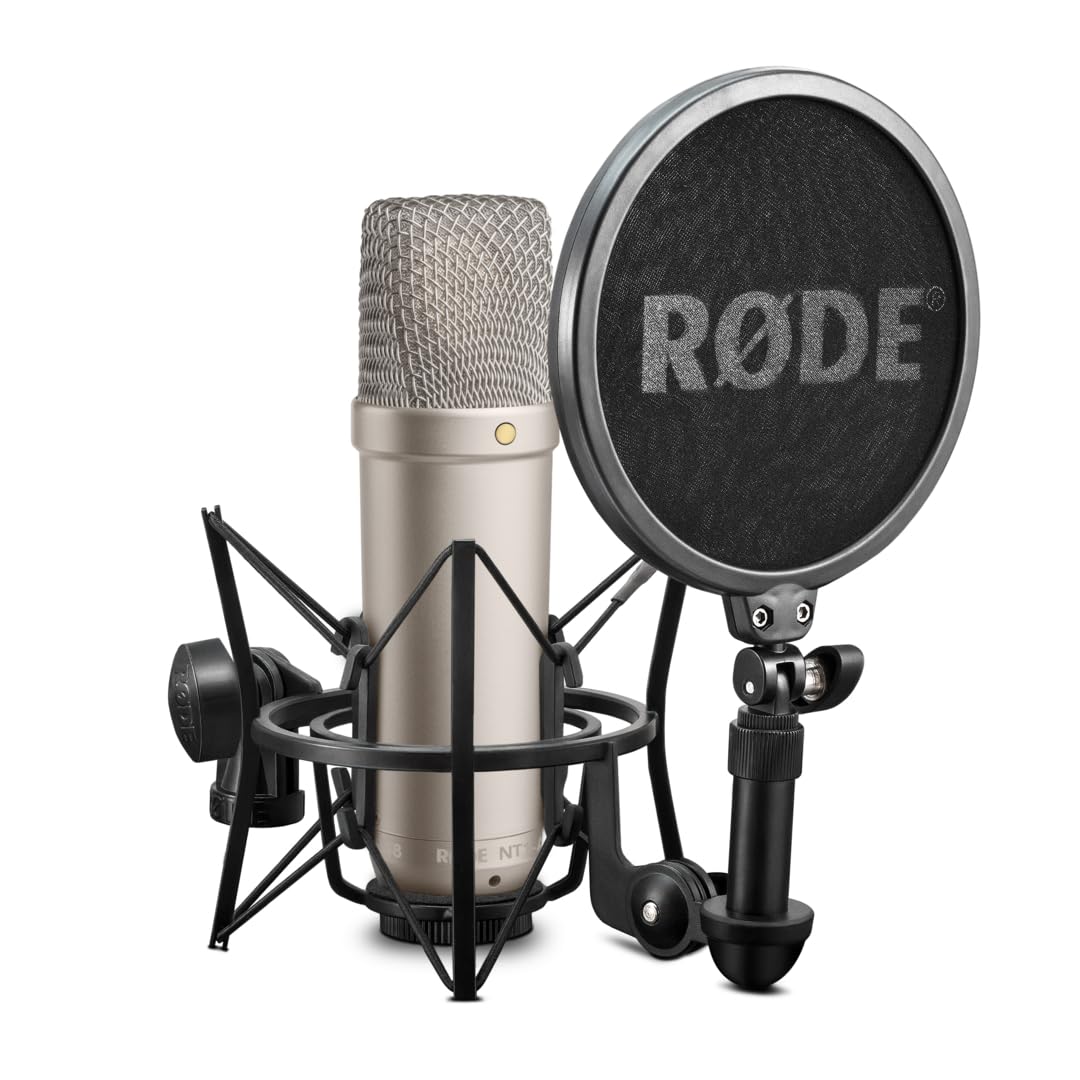
If you're not sure where the SM7B sits compared to other popular vocal mics, our breakdown of the SM7B versus the Rode NT1 walks through the real differences between dynamic and condenser approaches for home recording.
The Bottom Line for Bedroom Podcasters
The Shure SM7B is genuinely the right answer for shure sm7b untreated bedroom podcasters who want broadcast-quality voice without rebuilding their room. It rejects reflections by design, sounds warm and intimate up close, and lasts essentially forever. Pair it with enough clean gain, position it correctly, and add a few blankets and a rug, and you'll be producing audio that sounds professionally treated even though your room isn't.
Buy it once, learn its quirks, and you'll never need another vocal mic for spoken word work. That's why it's been in broadcast booths for fifty years and why it keeps showing up on the desks of the biggest podcasts in the world — including plenty hosted from spare bedrooms.
Frequently Asked Questions
Can I really use a Shure SM7B in a small untreated bedroom without sounding boxy?
Yes, and that's exactly the scenario the mic is famous for handling. The cardioid pattern, low sensitivity, and close-talking design mean your voice dominates the recording while the room recedes. Stay within two to four inches of the capsule, point the rear of the mic at your most reflective surface, and hang a blanket behind the mic. With those three steps you'll get clean, intimate audio even in an empty 10x10 bedroom with bare walls.
Do I need a Cloudlifter for the SM7B in 2026?
Only if your interface tops out below 60 dB of clean gain. Modern interfaces from Focusrite, MOTU, Universal Audio, and SSL handle the SM7B without help. Older budget interfaces almost always need the boost. If you already own a Scarlett 2i2 from before 2023, plan on adding a Cloudlifter, FetHead, or comparable inline preamp.
What's the cheapest acoustic treatment I can do for an SM7B bedroom setup?
Hang a heavy blanket or duvet on the wall behind the microphone, throw a thick rug on the floor under your chair, close any window curtains, and record facing into an open closet stuffed with clothes. Total cost: zero if you already own those items. That setup eliminates the majority of audible room reflections.
Should I get the SM7B or the cheaper SM58 for podcasting at home?
The SM58 is a live vocal mic and works fine in a pinch, but the SM7B has a wider frequency response, internal shockmount, better pop protection, and a smoother low end that translates better to recorded voice. If you can afford the SM7B and you're committed to podcasting long-term, it's worth the difference. If you're testing whether you'll stick with the hobby, an SM58 is a defensible starting point.
How close should I be to the SM7B microphone?
Two to four inches from the foam windscreen, slightly off-axis. Closer than two inches and you'll get heavy proximity effect plus increased plosives. Further than four inches and the room starts to compete with your voice. Three inches off-axis is the sweet spot for most podcasters.
Will the SM7B pick up my computer fan or keyboard noise?
Less than a condenser would, but constant noise that's close to the mic still registers. Put your PC under the desk, use a quiet keyboard if you type during recording, and position the mic so the back of it faces the noise source. Dynamic rejection is good, but it isn't magic — distance and direction still matter.
What's the best audio interface to pair with an SM7B for a bedroom podcast in 2026?
Any modern interface with at least 60 dB of low-noise gain works. The Focusrite Scarlett 4th gen series, MOTU M2/M4, Universal Audio Volt 2/4, and SSL 2+ are all reliable choices in the under-$300 range. For a full comparison see our roundup of the best audio interfaces of 2026.
Key Takeaways
- Choosing the right shure sm7b untreated bedroom podcasters means matching the key features to your specific needs and budget
- Read real customer reviews and check the return policy before you commit
- Also covers: sm7b no acoustic treatment
- Also covers: sm7b for noisy bedrooms
- Also covers: shure sm7b small room podcasting
- Compare value across models — the priciest option is not always the best fit