For indie rock vocalists recording in carpeted basement studios, the Aston Origin for indie rock vocals in basements is one of the smartest mid-priced cardioid condensers you can buy in 2026. The Origin's slightly forward upper-midrange flatters distorted guitar-rich mixes, its tumbled stainless-steel head basket includes a built-in pop filter and wave-form mesh, and its 80Hz low-cut helps tame the boomy low end that always creeps into basement rooms with carpet on the floor but bare concrete walls. This guide walks through why the Origin shines on rough, energetic indie vocals, how to position it under a low ceiling, and which accessories are actually worth your money.
Why the Aston Origin suits indie rock vocals in basement rooms
Indie rock vocals live in a tricky frequency range. Singers often push their chest voice, the guitars eat up the 200Hz–800Hz region, and cymbals or hi-hats compete for the 6kHz–10kHz air band. A lot of budget large-diaphragm condensers exaggerate that air band to sound "expensive" in isolation, but in a dense mix they turn vocals into hissy, brittle ghosts. The Aston Origin takes the opposite approach. Its frequency response has a gentle presence bump around 4–6kHz that helps consonants cut through layered guitars without piling on harshness above 8kHz.
The capsule sits in a tumbled stainless-steel chassis that doubles as a pop filter and shockmount housing, which matters more than it sounds. Basement studios usually mean the singer is recording within a meter or two of a desk, monitors, or a guitar amp head, and the all-in-one body lets you mount the mic on an inexpensive boom arm without buying a separate spider shock and metal pop screen. Less stuff in front of the mouth also means fewer reflections bouncing back into the capsule from a low ceiling — a real concern when you're tracking under joists wrapped in fiberglass batts.
What a carpeted basement actually does to your sound
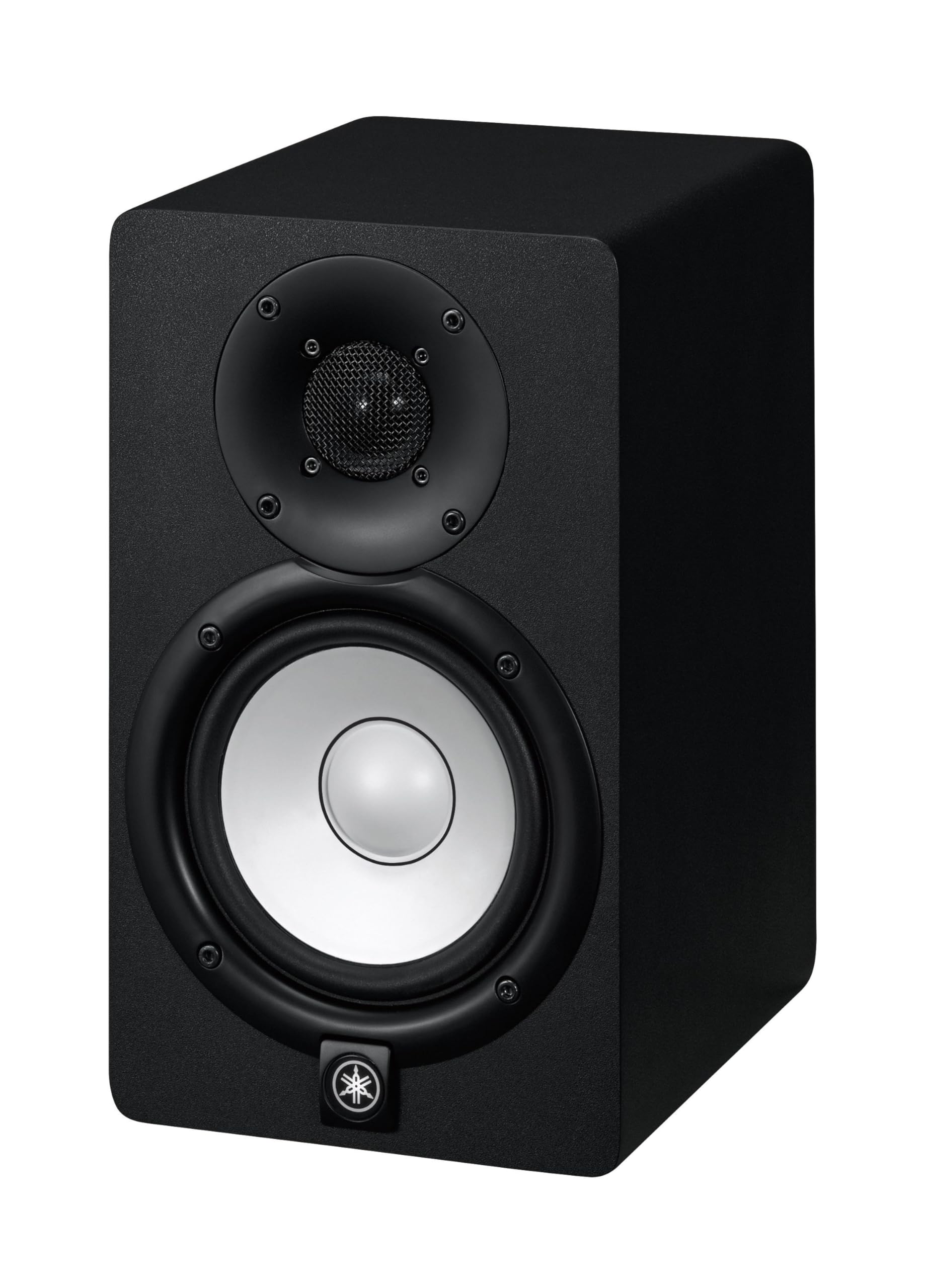
Carpet is the most misunderstood acoustic surface in home studios. It absorbs energy above roughly 1kHz reasonably well, which is why basements feel "dead" when you clap, but it does almost nothing below 500Hz. That means your singing voice still excites long reverb tails in the low-mids, and the parallel walls and floor-to-ceiling distance create comb filtering that smears your vocal takes. The Origin's tight cardioid pattern helps reject some of this, but the bigger fix is treating the room.
If you're tracking the Aston Origin for indie rock vocals in basements, the highest-leverage move is hanging a thick moving blanket or a two-inch rigid mineral wool panel behind the singer, about 60cm from their head. Carpet handles the floor reflection, the panel kills the rear wall slap, and a third blanket draped over a mic stand to the singer's side controls early sidewall reflections. This is a five-minute setup that radically tightens your takes. For deeper guidance, see our notes on reducing echo in home studios and the broader walkthrough on building a soundproof home studio from the ground up.
Dialing in the Origin under a low ceiling
Setting up the Aston Origin for indie rock vocals in basements requires thinking about geometry first. Most basements have ceilings between 2.0 and 2.4 meters, which puts the mic uncomfortably close to overhead joists. Position the Origin at mouth height, then angle the capsule down about 10–15 degrees so the rear of the mic faces the ceiling rather than the floor. Cardioid mics reject sound from directly behind, so this orientation throws the ceiling slap into the null point.
Distance matters too. For an aggressive indie rock take — think shouty choruses, throat-forward verses — start with the singer about 15cm (six inches) off the capsule and engage the 80Hz low-cut to control proximity bass boost. For softer, breathier sections, back off to 25cm and disengage the filter for fuller body. The Origin's 18dB pad isn't usually necessary on vocals, but flip it in if your singer screams the bridge of every track.
Set your preamp gain so peaks hit around -10dBFS, leaving plenty of headroom. The Origin is sensitive enough that you rarely need to crank a budget interface preamp into its noisy upper range. If you're still shopping for a converter, our roundup of the best audio interfaces in 2026 covers options that pair well with this microphone.
How the Origin stacks up against common alternatives
Indie producers tend to consider three other mics in this price range when shopping for vocal duties. Here's how the Origin compares on the attributes that matter for energetic rock vocals in a treated basement corner.
| Microphone | Pattern | Best for indie rock vocals | Basement friendliness |
|---|---|---|---|
| Aston Origin | Cardioid condenser | Excellent — present mids, tame top | High (tight pickup, built-in pop filter) |
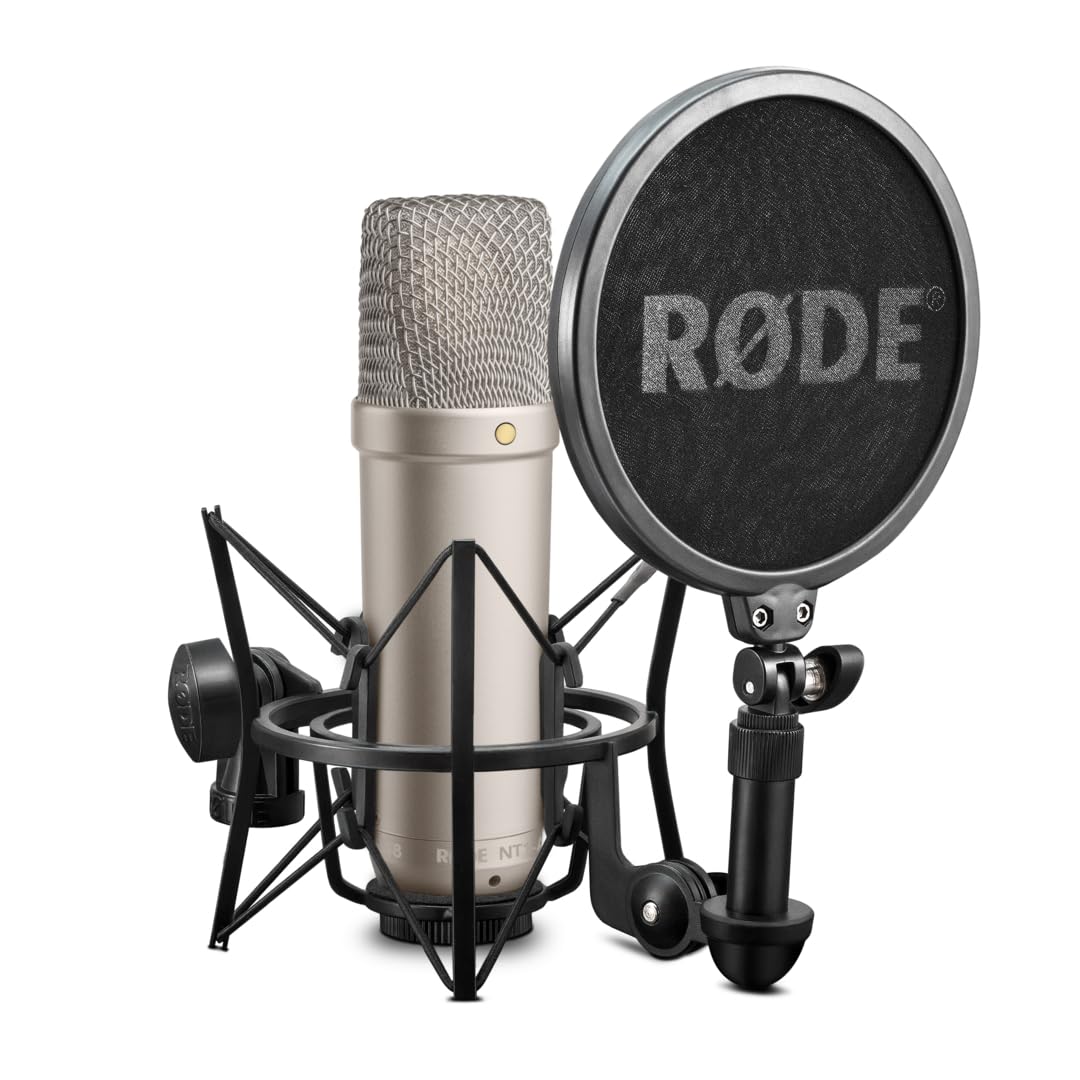
| Rode NT1 5th Gen | Cardioid condenser | Good — cleaner, more neutral | High (very low self-noise) |
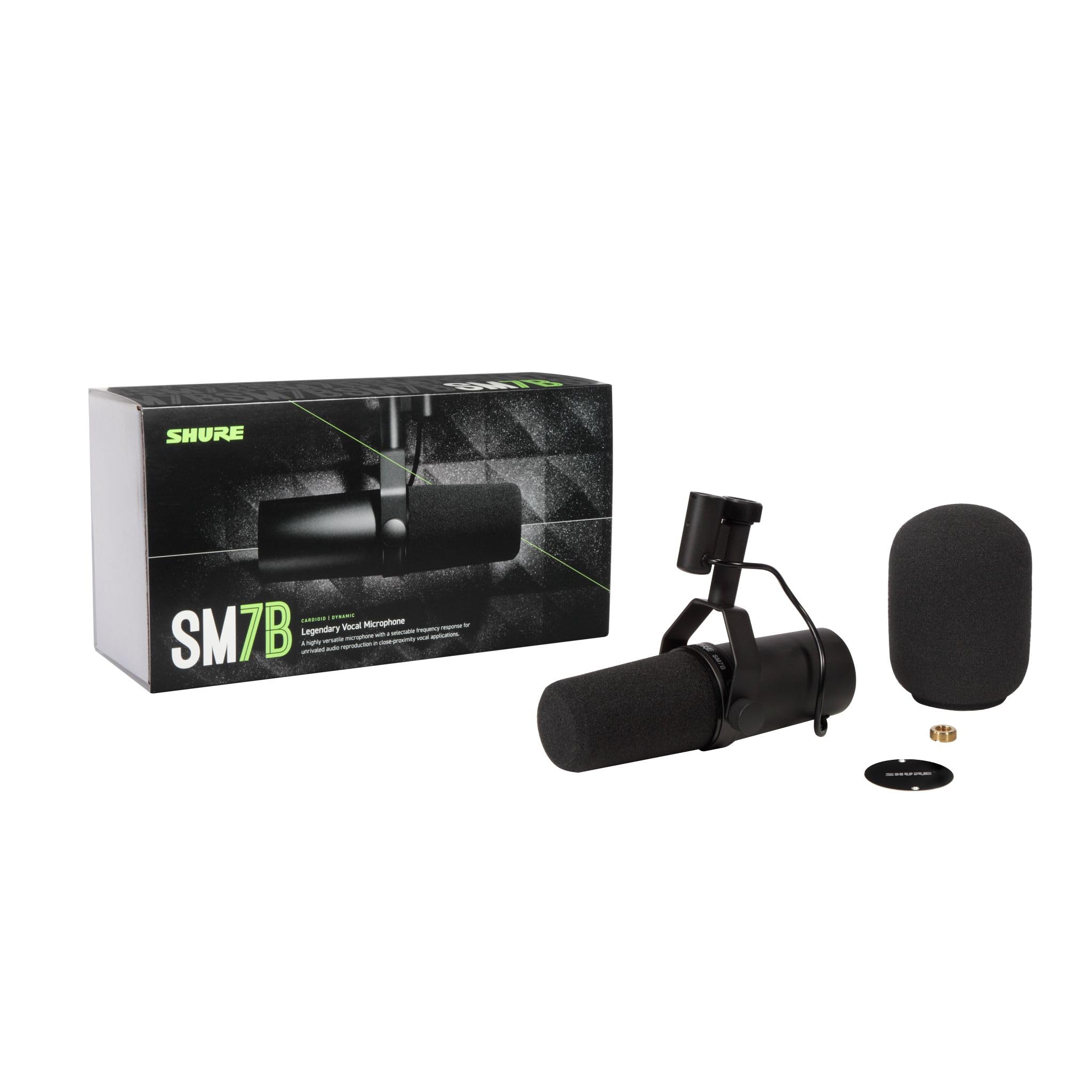
| Shure SM7B | Cardioid dynamic | Excellent — rejects room beautifully | Very high (dynamic ignores reflections) |
| AKG C214 | Cardioid condenser | Good — brighter, more open | Medium (picks up more room air) |
The dynamic SM7B is famous for forgiving untreated rooms, but it needs a clean preamp with at least 60dB of gain. If you're weighing condensers specifically, our deeper read on the SM7B versus Rode NT1 covers the tradeoffs in a real mix context.
Accessories that actually matter
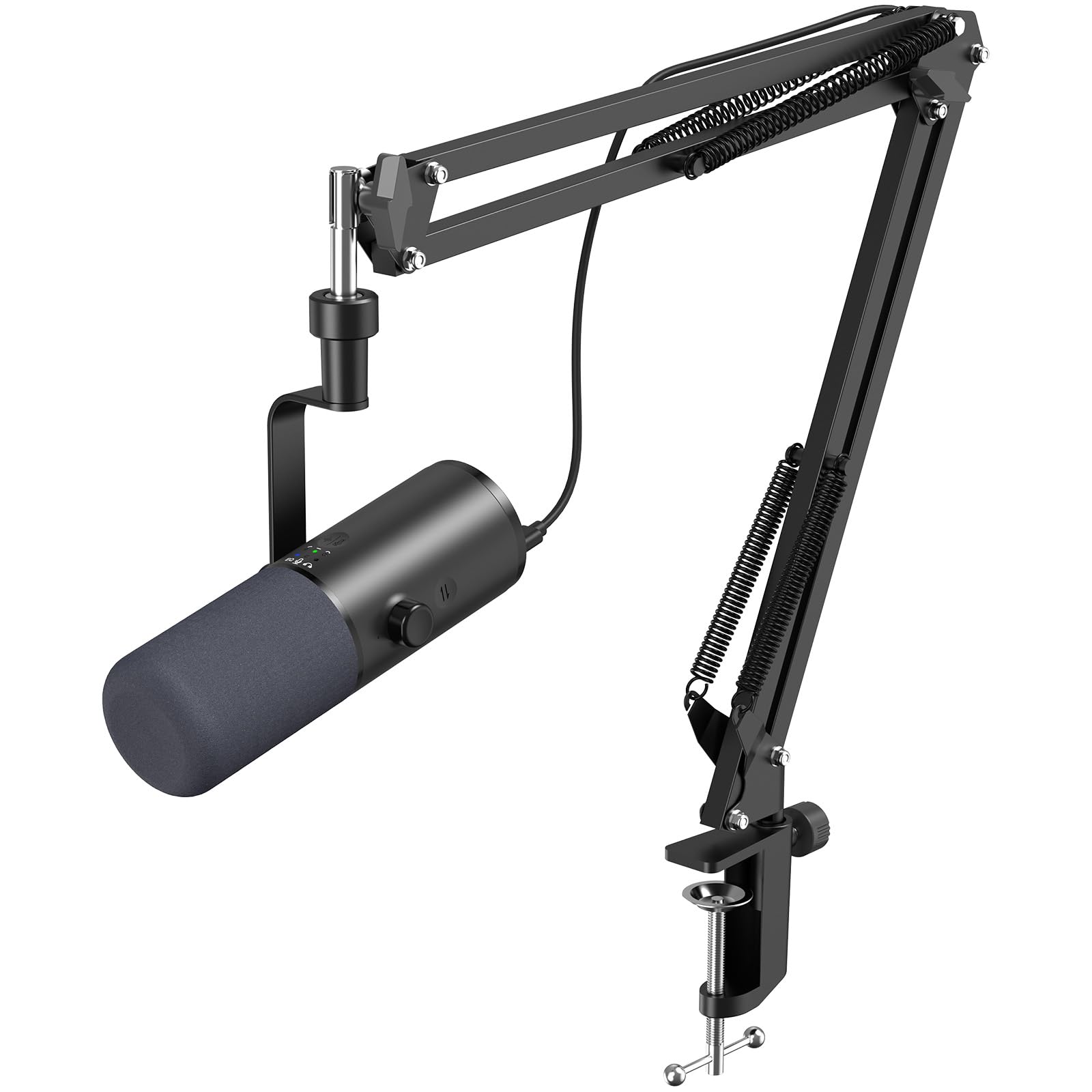
Skip the cheap accessory bundles. For the Origin, three items are genuinely useful and the rest are noise. First, a solid boom arm or weighted round-base stand — the Origin weighs roughly 480 grams, so a flimsy desk arm will sag within a week. Second, a balanced XLR cable in the 3–6 meter range; longer runs in a basement near electrical panels invite hum. Third, a closed-back monitoring headphone for tracking, since open-backs bleed into the cardioid capsule when the singer turns their head.
You may also want a reflection filter if your room treatment is still in progress, but the Origin's design already integrates a head-basket pop screen, so an external nylon pop filter is redundant. Don't waste money on a separate shockmount either — the rubber suspension inside the chassis is doing that job, and stacking suspensions can actually couple resonances rather than damp them.
Tracking techniques specific to indie rock
Indie rock vocals reward commitment more than perfection. Cut a "scratch" pass first — full energy, no comping — so you have a reference for tone and attitude. Then track three to five real takes back-to-back without rewinding. The Origin's relatively flat low end means you can record without aggressive low-cut on the interface side and shape later in the mix. Many indie producers pair the Origin with a parallel saturator or a tape-style plugin to add grit, since the mic itself is honest rather than colored.
For double-tracks and harmonies, move the singer a few centimeters closer or farther between passes. The slight tonal difference creates natural separation in the stereo field without phasing. And if you're recording multiple band members on different days, mark the singer's exact distance and the boom arm angle with painters tape on the floor — basement re-setup drift is the leading cause of inconsistent vocal takes across sessions.
Frequently Asked Questions
Is the Aston Origin good enough for releasing music, or just for demos?
The Origin has been used on plenty of commercially released indie and alternative records since its 2015 launch. It is absolutely release-grade for vocals when paired with a treated recording position. Producers who upgrade later usually do so for a different tonal flavor — not because the Origin is technically limited.
Do I need phantom power for the Aston Origin in a basement studio?
Yes. The Origin is a true condenser and requires +48V phantom power from your audio interface or preamp. Any modern USB or Thunderbolt interface in the $150-plus range supplies clean phantom power. If your singer hears a popping or thump when you switch phantom on, mute the monitors first.
Will the Aston Origin pick up too much basement room noise on indie rock vocals?
The Origin's cardioid pattern rejects sound from the rear, but it still picks up reflections from the sides and floor. In a carpeted basement with no other treatment, you will hear some room character. Add a single 60x120cm rigid mineral wool panel behind the singer and the mic suddenly performs like a much more expensive option.
Can I use the Aston Origin for screamed or shouted vocals without distorting?
Yes. The Origin handles SPLs up to 127dB before its onboard pad is needed, and 145dB with the -10dB pad engaged. Even hardcore-style screams won't distort the capsule. Watch your interface preamp gain instead — that is usually where distortion enters the chain.
Does the Aston Origin work with a Cloudlifter-style inline preamp?
You don't need one. Inline preamps like the Cloudlifter are designed to boost low-output dynamic mics. The Origin is a sensitive condenser that produces more than enough signal on its own. Adding a Cloudlifter would simply waste a phantom-power channel and add unnecessary gain stages.
What is the best vocal chain for the Aston Origin in 2026 on a budget?
A clean USB audio interface with at least one phantom-powered XLR input, a stock DAW compressor (3:1 ratio, 5ms attack, auto release) catching peaks at -15dBFS, and a gentle low-cut at 80Hz. Skip hardware preamp upgrades until you've treated the room — the room will outweigh any preamp difference at this price tier.
Is the Aston Origin better than a Rode NT1 for indie rock vocals?
They are different tools. The NT1 is cleaner, quieter, and more neutral — flattering for indie folk or bedroom pop. The Origin has more upper-mid character and a built-in pop filter, which makes it faster to set up and better suited to gritty, energetic rock vocals where presence matters more than ultra-low self-noise.
Key Takeaways
- Choosing the right Aston Origin for indie rock vocals in basements means matching capacity and output ports to your actual devices
- Always check actual watt-hours (Wh), not just watts — runtime depends on Wh, not peak output
- Also covers: Aston Origin basement vocal recording
- Also covers: best condenser for carpeted basement studio
- Also covers: Aston Origin indie rock review
- Compare price-per-Wh across models to find the best value for your budget