For sound designers chasing the hush of dripping moss, distant varied thrushes, and the low rumble of cedar wind in coastal old-growth, the Zoom H4n Pro remains a quietly excellent field tool. Zoom H4n Pro wildlife rainforest recording succeeds because the unit balances four-track flexibility with a low-noise preamp path that captures faint ambient layers without forcing you to lug a full bag rig into the understory. In temperate rainforests where humidity hovers above 90% for days at a time, the H4n Pro's relatively sealed body, internal XY capsules, and dual combo XLR/TRS inputs let you record stereo ambience while simultaneously feeding a shotgun or hydrophone into the same timeline. This guide walks through the realities of using the H4n Pro in dripping, mossy ecosystems — capsule technique, gain staging, weatherproofing, and the editorial workflow that follows.
Why the H4n Pro still belongs in a rainforest sound design kit
Newer recorders advertise lower self-noise figures, but the H4n Pro retains three practical advantages for temperate rainforest fieldwork. First, the built-in XY capsules at 90 or 120 degrees deliver coherent stereo imaging without requiring you to mount and cable two external mics in the rain. Second, the four-track mode lets you capture an immersive stereo bed on tracks 1-2 while a directional shotgun captures a focal subject — say, a Pacific wren — on tracks 3-4. Third, the unit runs for several hours on two AA lithium cells, and lithium chemistry behaves better than alkaline in the 4-8 degree Celsius mornings typical of the Hoh, Quinault, or Great Bear coastal forests.
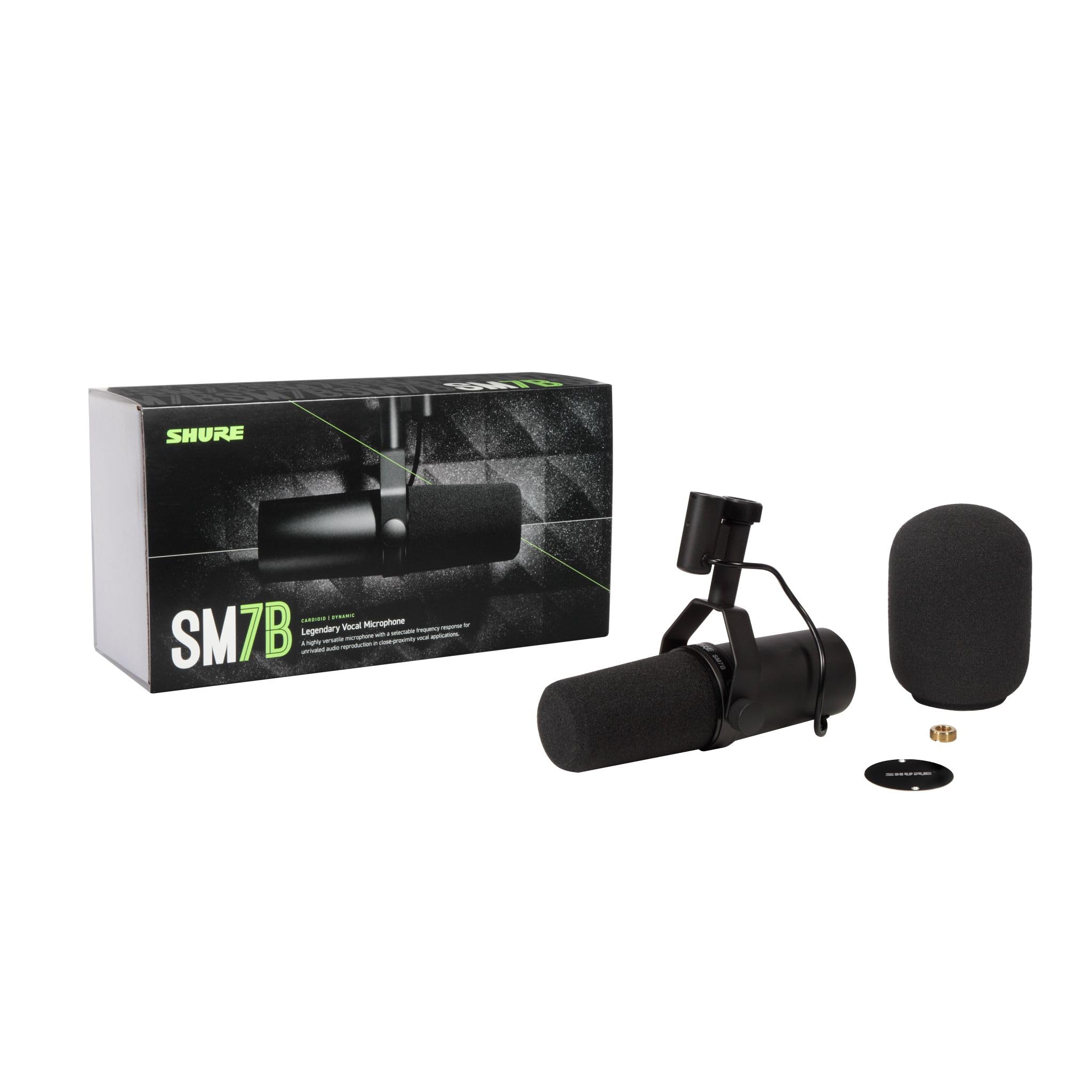
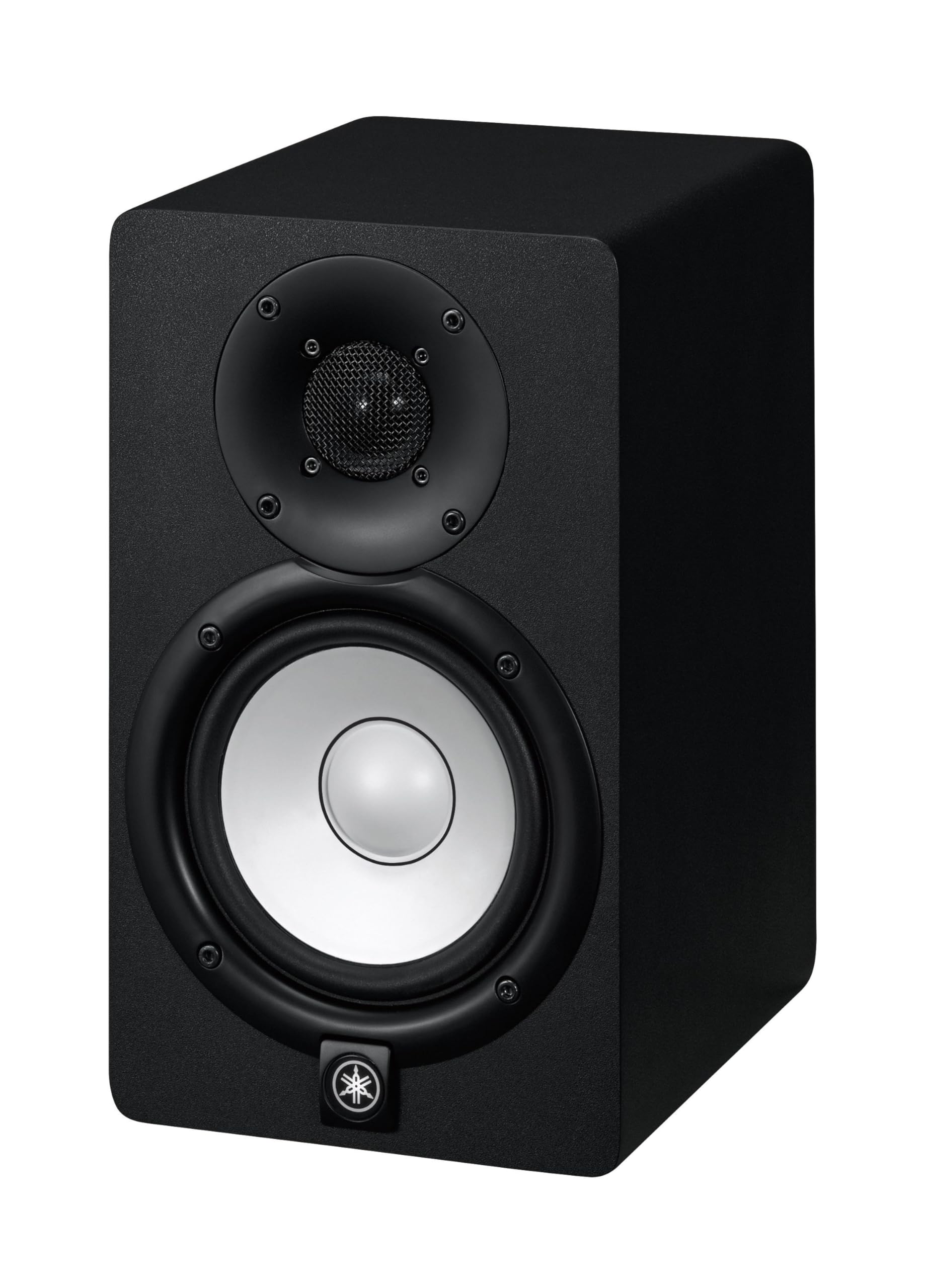
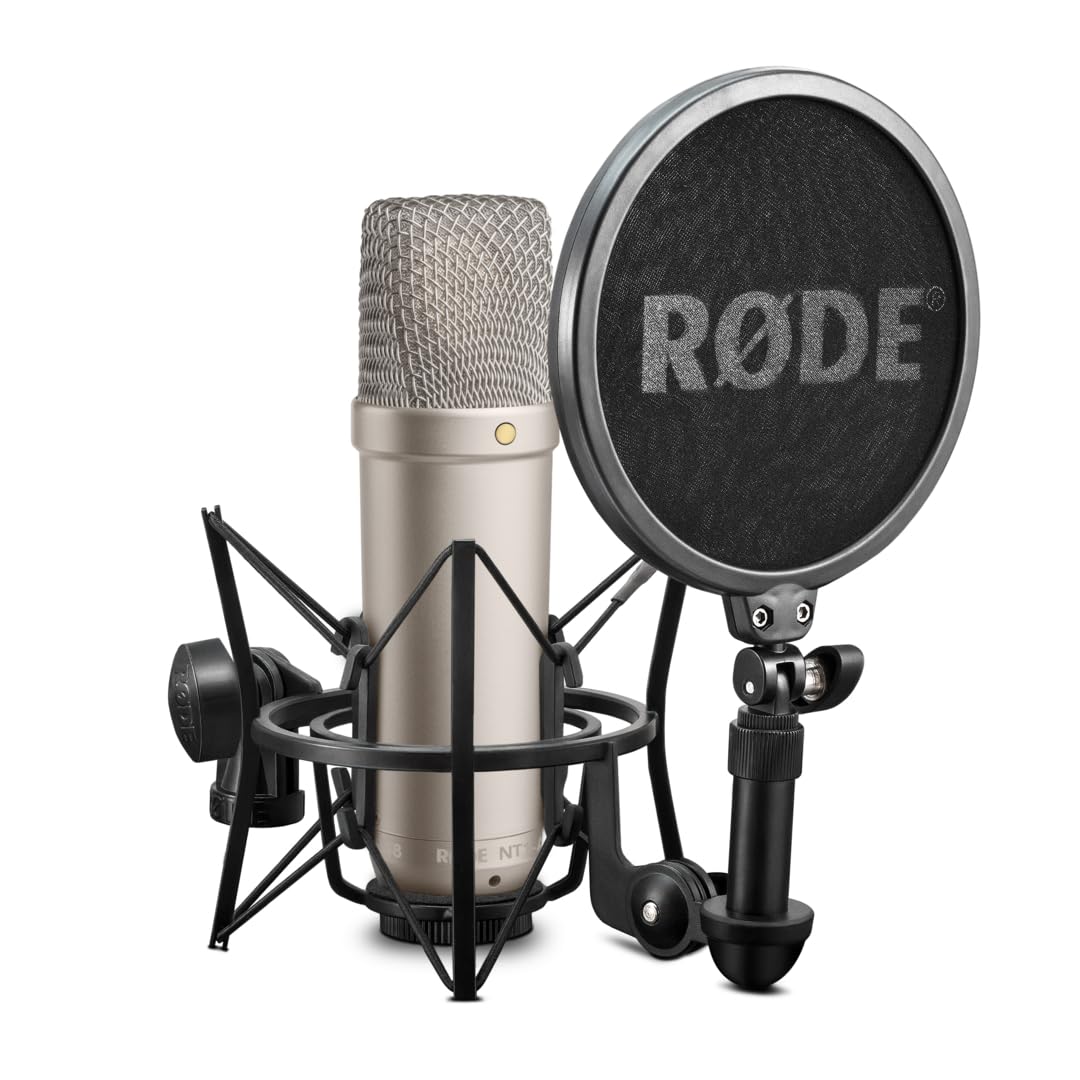
Sound designers who cut for documentary, immersive installations, or game audio use the H4n Pro to gather what is sometimes called "wet ambience" — the dripping, splashing, and percussive water-on-leaf-litter textures that are nearly impossible to fake convincingly in a sample library. The H4n Pro's XY pattern keeps the stereo field tight enough to localize individual drips, while its 24-bit/96 kHz capture leaves enough headroom in post for aggressive pitch shifting and time stretching.
Finding the right Zoom H4n Pro wildlife rainforest recording comes down to matching watt-hours to your actual power needs.
Understanding the temperate rainforest as a recording environment
Before you can dial in the H4n Pro, you have to understand what makes a temperate rainforest acoustically distinctive. Unlike a tropical jungle, which is dense with overlapping insect and frog calls, a temperate rainforest in the Pacific Northwest, coastal British Columbia, southeast Alaska, southern Chile, or Tasmania is defined by long stretches of near-silence punctuated by isolated bird calls, branch creaks, and the relentless percussion of water. The noise floor is often startlingly low — sometimes 20 dB SPL or quieter on a still morning — which means microphone self-noise becomes the limiting factor.
The H4n Pro's internal capsules are specified at roughly 120 dB SPL maximum and have a usable self-noise floor that is acceptable for ambience work but will show some hiss on the quietest material if you push gain hard. Most field recordists who plan to capture extremely quiet beds will pair the H4n Pro with an external low-noise microphone routed through the XLR inputs, reserving the internal capsules for louder spot effects, walking takes, or backup tracks.
Weather and humidity: the real enemy
Temperate rainforests are not just wet during rain events. The relative humidity often sits at saturation for weeks, and condensation forms on any cold surface brought into the forest from a heated vehicle. The H4n Pro is not weather-sealed in any meaningful sense, so protection is non-negotiable.
The practical kit looks like this: a quality acoustic-transparent rain bag or cover sized for the H4n Pro body, a furry windjammer that fits over the XY capsules, silica desiccant packs in a hardshell case for overnight storage, and a small microfiber cloth for wiping condensation off the front panel. Some recordists wrap the body loosely in a chamois between takes. The single most important rule: let the recorder acclimate inside a closed dry bag for at least twenty minutes after moving it between temperature zones, otherwise condensation will form inside the capsule housing and ruin recordings for the rest of the day.
Capsule technique for rainforest ambience
The H4n Pro's XY capsules can be set to 90 or 120 degrees. For wildlife ambience in a temperate rainforest, 120 degrees is usually the better starting point because it widens the stereo image to capture the diffuse, all-around character of forest ambience. Ninety degrees tightens the image and works better when you have an identifiable focal subject — for instance, a stream you want to anchor at center while keeping the surrounding forest in the background.
Mount the recorder on a small tripod or stake at roughly chest height, point the capsules slightly upward toward the canopy, and use a windshield even on still days because micro-gusts and rain drops will otherwise produce unusable transients. Engage the low-cut filter at 80 Hz to reduce handling rumble and traffic from distant logging roads, but avoid aggressive high-pass settings in the field — you can always filter later in post, but you can never recover the low rumble of distant ocean swell or wind through cedars if it was filtered at capture.
Gain staging for very quiet sources
The H4n Pro's gain knob is analog and continuous, which is both a blessing and a curse. The blessing is fine-grained control; the curse is that gain settings can shift if you bump the knob while moving through brush. Mark a reference position on the knob with a small piece of gaffer tape before each session and check it after every relocation.
For typical rainforest ambience, start with the input gain at roughly 75 percent and adjust from there. The H4n Pro's peak meters become unreliable below about -40 dBFS, so don't trust them for very quiet material — use headphones and your ears. Record at 24-bit/96 kHz to give yourself maximum headroom for post-production manipulation, and accept that you will boost the signal substantially in post; that is normal and acceptable as long as you set gain high enough to keep the noise floor above the microphone self-noise but low enough to avoid clipping when an unexpected raven calls overhead.
Four-track workflow: ambience plus focal subject
The H4n Pro's most powerful feature for wildlife sound designers is its ability to record four tracks simultaneously: the internal XY pair plus two external XLR inputs. A common deployment is the XY capsules capturing diffuse forest ambience while a shotgun microphone on a boom or a parabolic dish captures a focal subject such as a salamander vocalization, a banana slug feeding, or a pileated woodpecker excavation.
This dual capture saves enormous time in post because you can blend the focal subject naturally into its actual acoustic context rather than artificially placing a dry shotgun recording into a library ambience. For installation work and immersive media, this contextual coherence is the difference between a believable scene and an obvious composite.
Power, storage, and session management
Use lithium AA cells, not alkaline. Lithium cells maintain voltage in cold conditions and offer roughly twice the runtime. Carry at least four spares per recording day and label them so you can rotate between fresh and depleted cells without confusion. For extended sessions, the H4n Pro accepts external USB power, and small USB power banks can extend runtime significantly for stationary deployments.
Format SDHC cards in the recorder itself, never on a computer. Carry redundant cards and download to two separate destinations the same evening — a laptop and a portable SSD is the standard pattern. Rainforest fieldwork is expensive in time and travel, and losing a card to a corrupted file system is a heartbreak that good backup discipline prevents.
For deeper background on field recorder selection and care, see our best portable recorders 2026 roundup and our companion piece on maintaining podcasting equipment for longevity, both of which cover principles that translate directly to wildlife fieldwork.
External microphone choices for rainforest work
When the H4n Pro's internal capsules are not enough — typically for very quiet ambience or distant focal subjects — the two XLR inputs accept any standard microphone with phantom power. Three categories matter for rainforest sound design:
Stereo pairs for ultra-quiet ambience. A matched pair of small-diaphragm condensers in an ORTF or spaced-pair configuration delivers lower self-noise than the internal capsules and provides a wider, more enveloping stereo image. The tradeoff is more gear, more cables, and more vulnerability to moisture.
Shotgun microphones for focal subjects. A short shotgun on a softie windshield, deployed on a boom or handheld, is the standard tool for capturing individual bird calls, mammal vocalizations, and other point sources. The H4n Pro's preamps are clean enough for most shotgun work, though extremely quiet subjects may benefit from an inline preamp.
Hydrophones for stream and pond recording. Temperate rainforests are defined by their watercourses, and underwater recording opens an entire sonic world inaccessible from the surface. A hydrophone with a 3-meter cable plugged into one XLR input of the H4n Pro, with the internal capsules capturing the above-water ambience on tracks 1-2, produces a four-track recording with rich post-production potential.
Post-production: editing rainforest material
Rainforest recordings reward patient editing. The first pass should be a brutal cull — most takes will contain a flyover, a distant chainsaw, a hiker's voice, or your own boot crunch. Mark the clean sections, trim aggressively, and label everything with location, time of day, weather, and species identification where known. Metadata discipline at this stage pays back tenfold when you return to the library months later.
For noise reduction, use the gentlest setting possible. Aggressive denoising strips the high-frequency air that makes forest ambience feel alive. Spectral repair is preferable to broadband noise reduction for removing isolated artifacts like the brief whine of a distant float plane. For wind contamination, a high-pass filter at 60-80 Hz handles most cases; severe wind damage on the capsules themselves is essentially unrecoverable, which is why field windshielding matters so much.
Comparing the H4n Pro to its siblings for this use case
The H4n Pro sits in the middle of Zoom's handheld lineup. The H1n is lighter and cheaper but offers only a single stereo capsule and no XLR inputs, which limits its utility for focal-subject work. The H5 and H6 offer interchangeable capsule systems and additional inputs, but they are larger and consume more power. The F-series field recorders offer dramatically lower preamp noise and 32-bit float recording, but cost substantially more and are overkill for many independent sound designers. The H4n Pro's sweet spot — four tracks, XLR inputs, internal stereo capsules, reasonable price, manageable size — remains compelling for rainforest fieldwork where carrying weight and battery economy matter.
Frequently Asked Questions
Can the Zoom H4n Pro handle continuous rain during recording?
Not without protection. The H4n Pro is not weather-sealed and water intrusion will damage the electronics. For active recording in rain, use a dedicated rain bag or improvised cover that keeps water off the body while leaving the capsules acoustically open behind a furry windshield. Many wildlife recordists work around rain by deploying during the brief dry windows that follow downpours, when the forest is most active and the dripping creates ideal ambience.
How long can the H4n Pro record on a single set of batteries in cold rainforest conditions?
With lithium AA cells, expect roughly six to ten hours at 24-bit/96 kHz depending on temperature and whether phantom power is engaged. Cold reduces runtime, and 48V phantom for external condensers reduces it further. Carry at least four spare cells per recording day, and consider a small USB power bank for stationary deployments lasting more than a few hours.
What is the best gain setting for very quiet temperate rainforest ambience?
There is no single correct setting because rainforest noise floors vary enormously with weather and location. Start with the input gain at roughly 75 percent for internal capsules, monitor with closed-back headphones, and adjust until the noise floor sits comfortably above the recorder's self-noise without clipping unexpected loud events. Always record at 24-bit depth to preserve headroom for post-production gain.
Should I use the internal capsules or external microphones for serious wildlife work?
For diffuse ambience and convenience, the internal XY capsules are surprisingly capable and let you deploy quickly without cables. For focal subjects, very quiet material, or any work requiring lower self-noise than the H4n Pro's internal preamps deliver, external microphones routed through the XLR inputs are the better choice. Many serious recordists combine both, exploiting the four-track capability.
Does the Zoom H4n Pro wildlife rainforest recording workflow require any special metadata practices?
Yes. The H4n Pro does not embed rich metadata at capture, so discipline at the file-management stage is critical. Rename files immediately after each session with location, date, time, weather conditions, species (if identifiable), and a brief content description. Use a consistent naming convention across all sessions so your sound library remains searchable years later. Many sound designers maintain a parallel spreadsheet or database with extended notes for each file.
What windshield do I need for rainforest recording with the H4n Pro?
A dedicated furry windjammer sized for the H4n Pro's capsule housing is essential even on apparently still days. Forest air moves more than it seems, and individual rain drops striking the capsule grille produce loud transients that ruin takes. Foam covers alone are insufficient; you need fur. Several third-party manufacturers produce purpose-built windjammers for the H4n Pro that mount securely without obstructing the capsule pattern.
How does the H4n Pro handle humidity damage over years of fieldwork?
The most common failure mode is corrosion on the XLR pin contacts and gradual degradation of the rubber gaskets around the capsules. Mitigate this by storing the recorder in a hardshell case with fresh silica desiccant between sessions, wiping down the body with a microfiber cloth after each outing, and avoiding rapid temperature transitions that cause internal condensation. With reasonable care, the H4n Pro can serve as a primary rainforest tool for many years.
Final thoughts
The Zoom H4n Pro is not the quietest field recorder available, nor is it the most weather-resistant, but it remains an unusually well-balanced tool for wildlife sound designers working in temperate rainforests. Its combination of four-track capture, internal XY stereo, and XLR inputs covers the practical needs of ambience and focal-subject recording in a single unit small enough to carry deep into the understory. Pair it with disciplined weather protection, lithium batteries, and a metadata workflow that respects the value of the material you gather, and Zoom H4n Pro wildlife rainforest recording sessions will reliably produce library-quality content. For broader context on portable recorder selection, see our best portable recorders for podcasters 2026 guide and the companion piece on the Zoom H6 for outdoor field interviews with wind noise, which covers a sibling recorder with overlapping but distinct strengths.
Key Takeaways
- Choosing the right Zoom H4n Pro wildlife rainforest recording means matching capacity and output ports to your actual devices
- Always check actual watt-hours (Wh), not just watts — runtime depends on Wh, not peak output
- Also covers: H4n Pro nature sound recording rain
- Also covers: best portable recorder for forest wildlife
- Also covers: Zoom H4n Pro humidity field use
- Compare price-per-Wh across models to find the best value for your budget