If you're a high school senior prepping prescreen videos for Carnegie Mellon, Michigan, CCM, or NYU Tisch, the Audio-Technica AT4040 for musical theater audition recording is one of the smartest microphone choices you can make. Its large 1-inch diaphragm captures the full dynamic range of belting, mixing, and legit head voice without harshness, while a transformerless circuit keeps self-noise low enough to record quiet ballad intros cleanly. For BFA musical theater submissions, where evaluators listen for tone, breath control, and clarity in a single unbroken take, the AT4040 delivers studio-grade results in a home or school practice room.
Why the AT4040 Suits Musical Theater Audition Tapes
College musical theater programs receive thousands of prescreen submissions each cycle, and audio quality directly affects how your performance is perceived. A muddy, peaky, or noisy recording forces evaluators to work harder to hear your instrument, and that effort is rarely rewarded. The AT4040 sits in a sweet spot for auditioners: it's a true large-diaphragm condenser with extended low-end warmth and a gently lifted presence range, which flatters trained voices across soprano, mezzo, tenor, and baritone repertoire without sounding hyped or pop-station bright.
The best Audio-Technica AT4040 for musical theater audition recording for your situation depends on how you plan to use it and where.
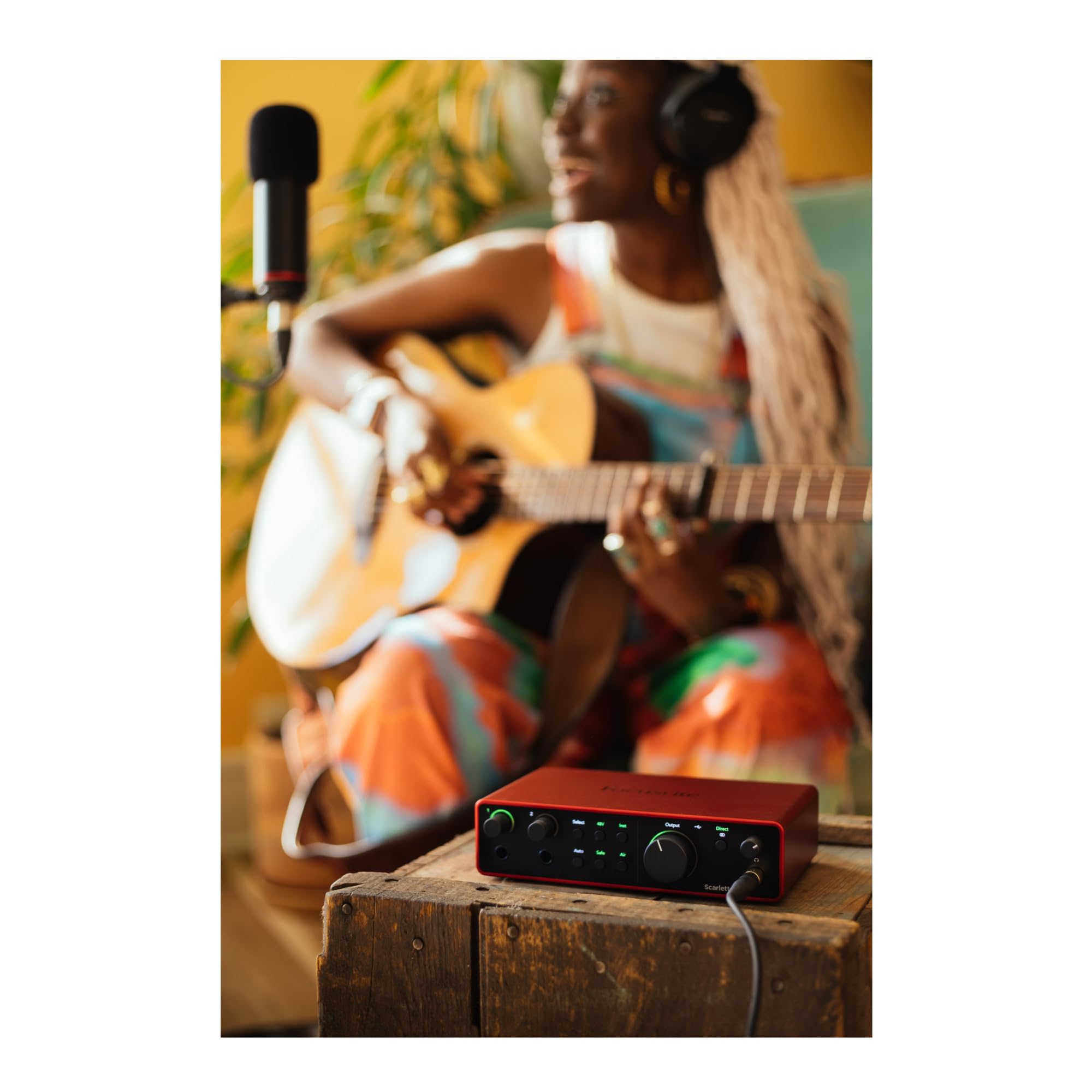
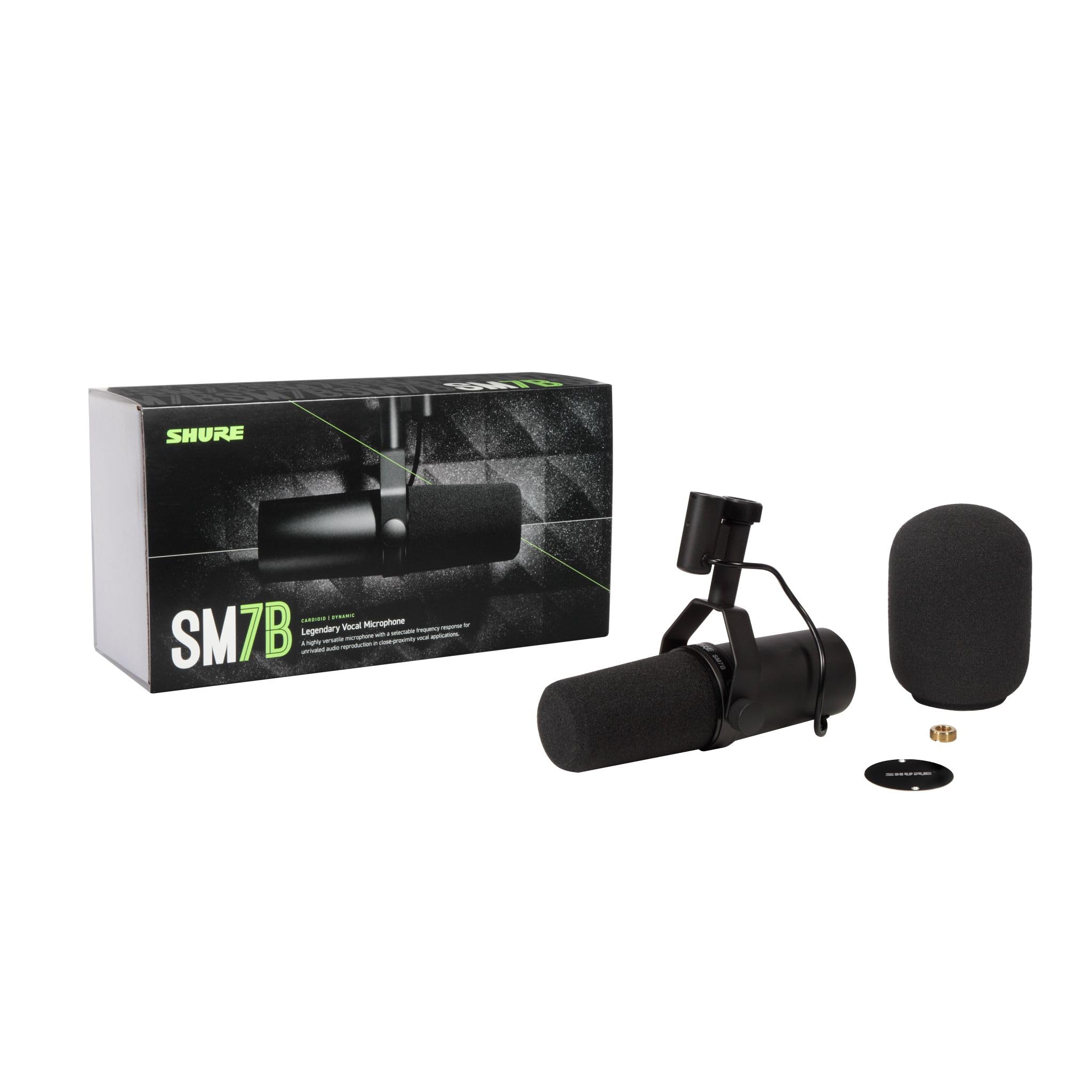
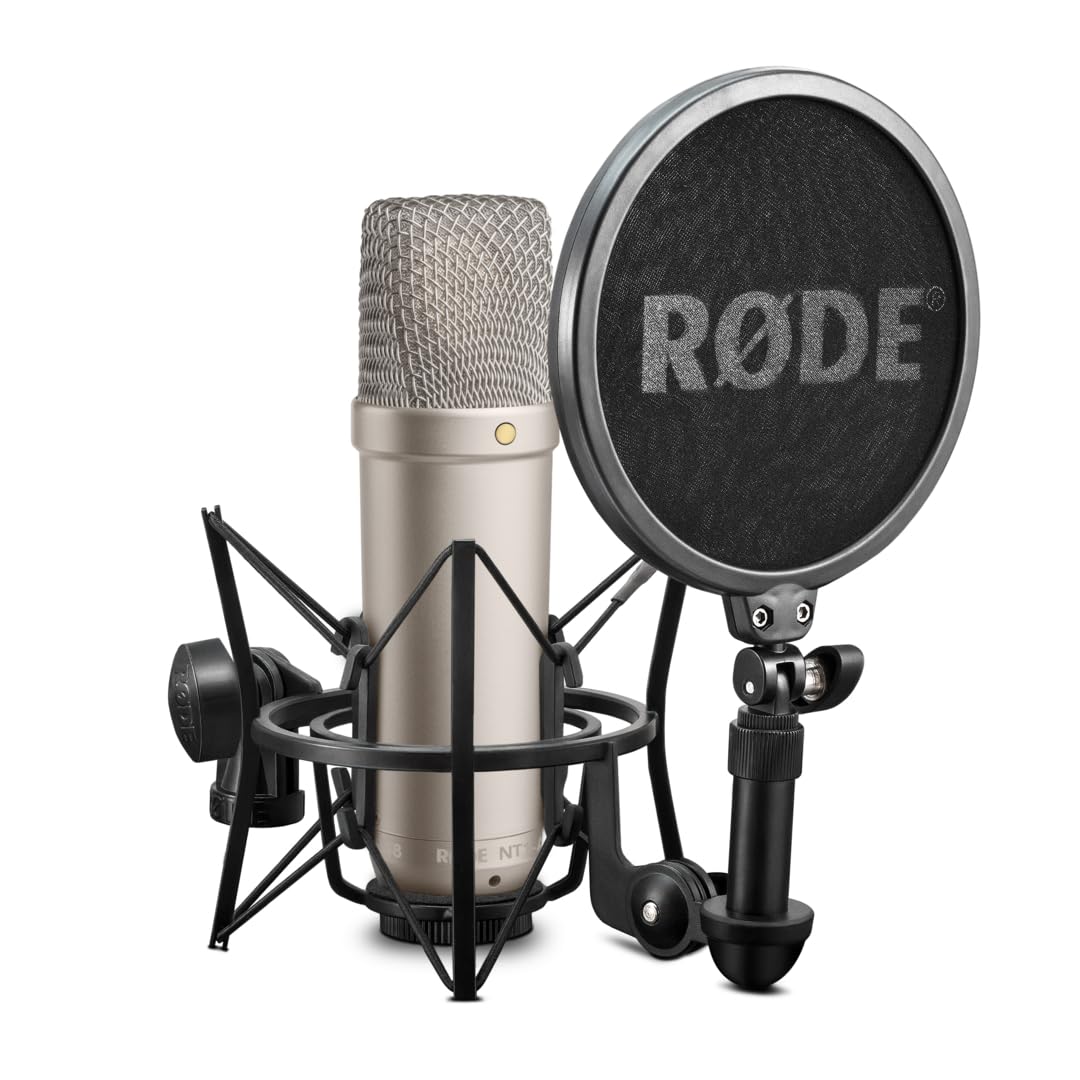
Unlike entry-level USB microphones, the AT4040 requires an audio interface with 48V phantom power, which is the same signal chain professional studios use. That XLR-based workflow gives you cleaner gain, lower latency monitoring, and the ability to swap headphones, preamps, and DAWs as your needs evolve through college and into early career work.
What Evaluators Actually Listen For
Faculty reviewers at top BFA programs aren't audio engineers, but they notice when a recording sounds amateurish. Specifically, they're listening for three things that the AT4040 handles particularly well.
1. Honest Tone Across Your Range
The AT4040 has a relatively flat frequency response with a modest presence boost around 5-10 kHz. For belters singing material from Wicked, Waitress, or Dear Evan Hansen, that means your chest mix translates without the brittle edge cheaper condensers add. Legit sopranos performing The Light in the Piazza or Golden Age standards get a smooth top end that preserves vibrato detail without sibilance buildup.
2. Dynamic Range From Whisper to Belt
Musical theater audition cuts often demand huge dynamic shifts within 90 seconds. The AT4040's 145 dB max SPL means you can belt a money note at full voice without the capsule distorting, while its low 12 dB-A self-noise lets pianissimo intros sit cleanly above the noise floor. That matters when you're singing "I Dreamed a Dream" and need the spoken-style opening to land before the build.
3. Room Honesty
The AT4040 is a fixed cardioid pattern, which rejects sound from the rear and sides better than omnidirectional or wide-cardioid alternatives. In an untreated bedroom or living room, that pattern helps minimize the boxy reflections that scream "home recording." Pair it with even modest acoustic treatment and your tapes can sound surprisingly close to a professional vocal booth.
Setting Up the AT4040 for Audition Sessions
Getting broadcast-quality audition audio isn't just about the mic. Your signal chain, room, and technique all factor in. Here's a practical setup that consistently produces submission-ready takes.
Audio Interface and Phantom Power
The AT4040 needs +48V phantom power and a clean preamp with at least 55 dB of gain. A Focusrite Scarlett 2i2, Audient iD4, or MOTU M2 all pair beautifully with this microphone. If you're still choosing an interface, our guide to the best audio interfaces of 2026 walks through the options at every budget. For deeper context on matching interfaces to home setups, see our breakdown on how to select the perfect audio interface for your home studio.
Microphone Placement
Position the AT4040 about 6 to 10 inches from your mouth, slightly off-axis to reduce plosives, with a pop filter 2 inches in front of the capsule. Angle the mic down from above for a flattering on-camera frame if you're filming the prescreen at the same time. Many auditioners record audio separately and sync it to a video shot from a music stand height, which produces a cleaner sound and lets you redo audio without re-filming.
Room Treatment on a Budget
You don't need a treated studio, but the room you record in shapes your tone more than most students realize. Hang moving blankets behind you, place a rug on hard floors, and avoid recording in corners or against parallel walls. Our practical guide to reducing echo in a home studio covers cheap fixes that meaningfully improve audition recordings within a single afternoon of setup.
AT4040 vs Common Alternatives for Audition Tapes
Many students arrive at the AT4040 after trying lower-cost options that didn't translate well on submission. Here's how it compares to the microphones most commonly recommended in musical theater Facebook groups and Reddit threads.
| Microphone | Type | Best For | Audition Verdict |
|---|---|---|---|
| Audio-Technica AT4040 | Large-diaphragm condenser (XLR) | Vocals, broadcast, studio recording | Excellent — neutral, warm, professional |
| Audio-Technica AT2020 | Entry condenser (XLR) | Beginner home studio | Good but slightly brittle on belts |
| Shure SM58 | Dynamic (XLR) | Live performance | Reliable but lacks studio detail |
| Blue Yeti | USB condenser | Podcasting, streaming | Too noisy and harsh for prescreens |
| Rode NT1 | Large-diaphragm condenser (XLR) | Vocals, ASMR | Excellent — comparable to AT4040 |
The AT4040 and Rode NT1 are the two most common professional recommendations at this tier. The NT1 is slightly quieter and brighter; the AT4040 has a touch more midrange body that many singers prefer for theater repertoire. Either will outperform a USB microphone for prescreen submissions.
Repertoire-Specific Recording Tips
How you mic and process your take depends on what you're singing. A few notes from coaches who regularly produce audition tapes.
Contemporary Belt Pieces
For 16-bar belt cuts from shows like Hamilton, Six, or Beetlejuice, back off the microphone by an extra 2-3 inches during the climax and aim slightly off-axis. The AT4040's high SPL handling means you won't distort, but giving yourself room prevents proximity-effect bass buildup that can muddy belted vowels.
Legit and Golden Age Material
For Rodgers and Hammerstein, Sondheim, or operetta selections, work closer to the mic — around 6 inches — and let proximity warm the lower register. The presence rise on the AT4040 brings out diction clarity without making consonants spiky, which evaluators appreciate when listening for text intelligibility.
Recording With Piano Accompaniment
If you're recording with a live pianist in the same room, use the AT4040's null point (the back of the cardioid pattern) to reject piano bleed. Position yourself with your back roughly toward the piano so the mic's rear rejection minimizes acoustic spill. Alternatively, record vocals to a pre-recorded track for cleanest results.
Post-Production: What to Do and What to Avoid
Audition recordings should sound polished but honest. Heavy processing is a red flag to faculty who suspect AutoTune or pitch correction. Here's a clean post-production workflow.
Apply gentle high-pass filtering at 80 Hz to remove rumble, light compression with a 3:1 ratio to control dynamics without squashing them, and a small EQ cut around 250-400 Hz if the room added muddiness. Avoid reverb, pitch correction, and de-essers that artifact the top end. Export at 48 kHz / 24-bit WAV for submission portals, and keep a 320 kbps MP3 as a backup for upload size limits.
For broader guidance on cleaning up vocal recordings, our article on how to improve audio quality in home studios covers the common pitfalls students run into when self-producing prescreen tapes.
Budgeting the Full Signal Chain
The AT4040 itself is a mid-tier investment, but you'll need supporting gear. A realistic full prescreen recording setup, including the microphone, audio interface, XLR cable, pop filter, boom arm, and closed-back monitoring headphones, typically lands in the $500-$750 range. That's significantly cheaper than booking a single hour at a professional studio, and the gear continues paying dividends through college coursework, self-tape callbacks, and post-graduation demo recordings.
Frequently Asked Questions
Is the Audio-Technica AT4040 good enough for top BFA musical theater prescreens?
Yes. The AT4040 produces broadcast-quality audio that meets or exceeds the technical standards expected by faculty at programs like Michigan, CCM, Carnegie Mellon, Pace, NYU Tisch, BoCo, and Penn State. Faculty consistently say content and performance matter far more than gear, but the AT4040 ensures your recording quality never becomes a distraction from your artistry.
What audio interface should I pair with the AT4040 for college audition tapes?
A Focusrite Scarlett 2i2 (4th gen), Audient iD4 MkII, or MOTU M2 are all excellent budget pairings. Each provides clean phantom power and enough gain for the AT4040's moderate output sensitivity. If you also want to record piano or duet partners, step up to a 4-input interface like the Scarlett 4i4.
Can I use the AT4040 in an untreated bedroom for prescreen videos?
Yes, but minor treatment helps significantly. Hang two moving blankets behind your recording position, add a rug, and avoid corners. The AT4040's tight cardioid pattern rejects rear reflections reasonably well, but it can't fix a room with hard parallel walls and bare floors. Even $50 of soft furnishings dramatically improves results.
Does the AT4040 need a shock mount for vocal recording?
The microphone ships with the AT8449 shock mount included, which is a meaningful value-add over competitors that sell shock mounts separately. The shock mount isolates the capsule from boom arm and desk vibrations, which is essential when you're moving expressively during a belt and might bump the mic stand.
How long should my musical theater audition recording be?
Most BFA programs request 16-bar or 32-bar cuts, typically 60-90 seconds per song, with two contrasting selections required. Always check each school's specific requirements through Acceptd or their admissions portal, as cut lengths and repertoire restrictions vary year to year and program to program.
Should I record audio and video separately or together for prescreens?
Most coaches recommend recording them together so lip sync is perfect and authenticity is preserved. Use the AT4040 routed through your interface into your DAW, with a smartphone or DSLR camera capturing video simultaneously. Sync via a hand clap at the start of each take. Faculty want to see and hear the performance happening in real time, not a polished composite.
What's the difference between the AT4040 and the AT2035 for auditions?
The AT2035 is a fine entry-level studio condenser at roughly half the price of the AT4040, and many students do submit prescreens recorded on it. The AT4040 offers lower self-noise, a more refined high end, and noticeably more midrange body that flatters trained voices. If your budget is tight, the AT2035 is a legitimate choice; if you can stretch, the AT4040 is the longer-term investment.
Do I need professional headphones to monitor my audition recordings?
Yes — closed-back monitoring headphones are essential so accompaniment doesn't bleed into your vocal mic. Earbuds work in a pinch, but proper studio headphones reveal mouth noise, breath sounds, and room artifacts you'd otherwise miss. Our roundup of the best studio headphones for recording in 2026 covers reliable options at every price tier for self-tape work.
Key Takeaways
- Choosing the right Audio-Technica AT4040 for musical theater audition recording means matching capacity and output ports to your actual devices
- Always check actual watt-hours (Wh), not just watts — runtime depends on Wh, not peak output
- Also covers: AT4040 musical theater home recording
- Also covers: college audition tape microphone
- Also covers: AT4040 vs AT2035 vocals
- Compare price-per-Wh across models to find the best value for your budget