The Behringer Xenyx Q802USB for tabletop wargame podcast recording is a surprisingly tidy answer to a chaotic problem: four humans hunched around a Warhammer table, dice clattering off MDF terrain, rulebooks slamming shut, and one USB cable running to a laptop. This compact 8-input analog mixer with built-in USB interface gives you two combo XLR/TRS mic channels with phantom power, two additional stereo line channels, per-channel EQ, and a stereo USB return — enough to mic two primary hosts, route a phone-call guest, pipe in a sound-effects laptop, and capture the whole table to a single stereo track. For wargame podcasters who care more about capturing the game than chasing studio-grade fidelity, the Q802USB hits a sweet spot of price, simplicity, and dice-proof durability.
Below is a full buyer's guide tailored to the specific demands of tabletop wargame podcasting — heavy table vibration, multiple simultaneous talkers, ambient dice noise, and the need to keep a session running for three or four hours without a re-take.
Why the Behringer Xenyx Q802USB Fits Tabletop Wargame Podcasts
Tabletop wargaming podcasts are a weird hybrid. They aren't pure interview shows, and they aren't actual-play TTRPGs where everyone sits politely around a microphone. You have hosts standing up to measure movement, leaning over terrain to roll dice, shuffling army lists, and occasionally shouting in triumph or despair. The Behringer Xenyx Q802USB for tabletop wargame podcast use earns its keep because it's small enough to live permanently on a side table next to your gaming surface, rugged enough to survive a dropped d20, and flexible enough to handle the routing curveballs the format throws at you.

Specifically, the Q802USB offers:
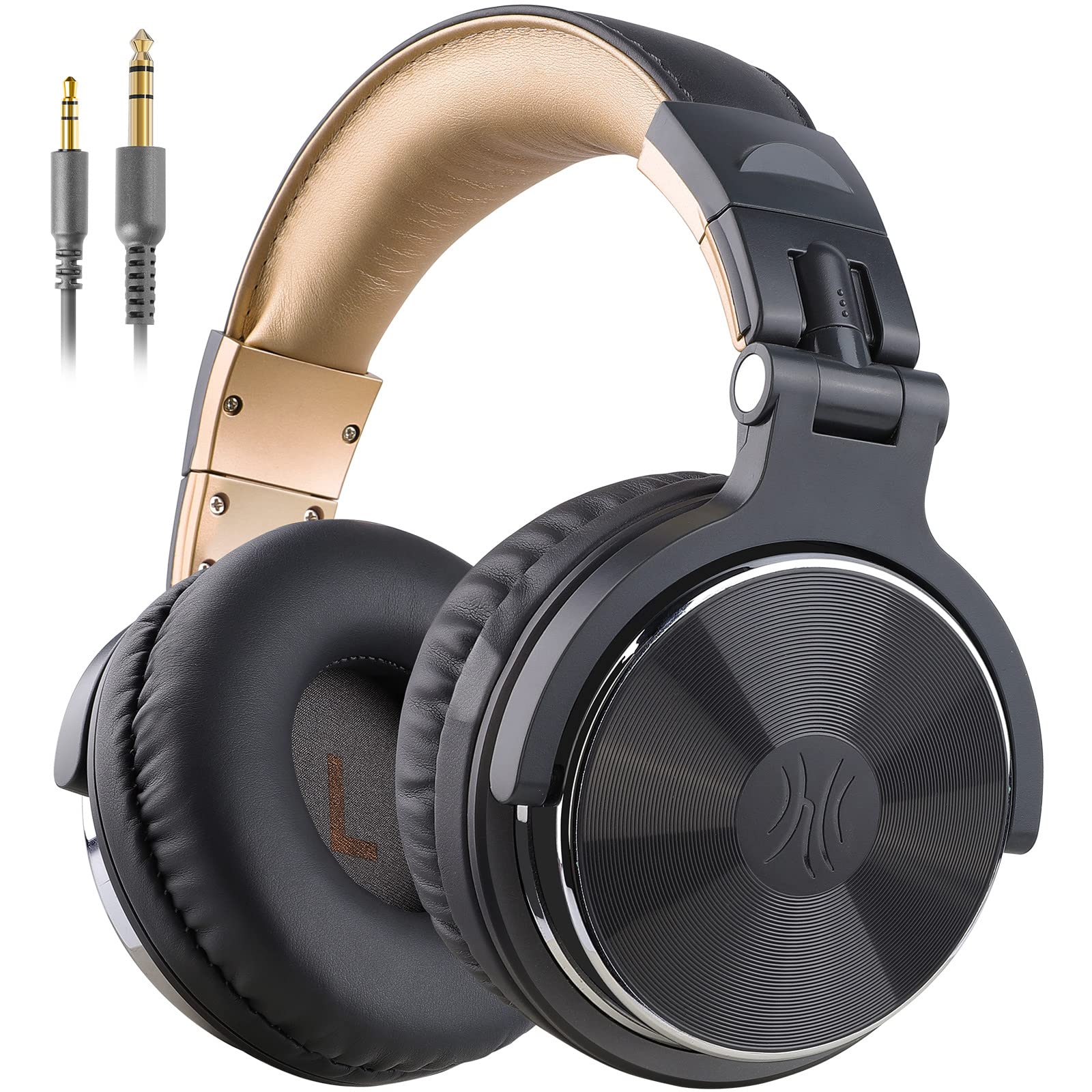
- 2 Xenyx mic preamps with +48V phantom power — enough headroom for dynamic mics like the Shure SM58 or condenser lavaliers if your room is treated.
- 2 stereo line inputs — perfect for a soundboard laptop (intro music, faction theme stings, dice-roll sound effects) and a phone-in line for a remote co-host.
- British-style 3-band EQ on the mic channels — useful for rolling off low-frequency table rumble from dice and bases.
- USB stereo I/O — the entire mix prints to your DAW as a stereo track, with no driver gymnastics.
- Compact footprint — small enough to sit beside a 6x4 gaming table without eating modeling space.
Understanding the Wargame Podcast Audio Problem
Before you buy any mixer, recognize what makes wargaming podcasts hard:
1. Dice and Table Noise
A handful of d6s hitting an MDF or Hardboard table produces a broadband transient — sharp attack, a lot of mid-range slap, and a rumble in the 80–200 Hz region that lives right under your hosts' voices. A mixer with a usable low-frequency cut helps. The Q802USB's low-shelf EQ centered around 80 Hz can scoop a meaningful amount of that rumble without thinning out vocals.
2. Multiple Simultaneous Talkers
Two hosts is easy. Four hosts — common in narrative campaign podcasts — is where the Q802USB starts to feel its limits. With only two mic channels, you'll need either a sub-mixer for additional hosts or to switch up to a larger Behringer Xenyx model (Q1202USB or Q1622USB) if your show is consistently 3+ hosts on individual mics.
3. Long Recording Sessions
A campaign battle report can run three to four hours. The mixer needs to run cool, stay stable on USB, and not introduce hum or noise that compounds over a long take. The Q802USB is bus-powered for USB data but uses its own external power adapter for audio, which keeps the preamps quieter than fully bus-powered competitors at this price point.
How to Set It Up at Your Game Table
Here's a practical signal flow that fits most two-host wargame podcasts:
- Channel 1 (mic): Host A's dynamic mic on a low-profile desk arm.
- Channel 2 (mic): Host B's dynamic mic on a matching arm.
- Channel 3/4 (stereo line): Sound-effects laptop (dice rolls, faction theme stings, transitions).
- Channel 5/6 (stereo line): Phone or USB audio interface for a remote co-host or guest call.
- USB out: Run to your recording laptop. Record the master stereo into Audacity, Reaper, or Audition.
Engage the low-cut filter on the mic channels, set gain so your peaks land around -12 dBFS in your DAW, and dial in the low-shelf EQ to taste — usually a 3–5 dB cut at 80 Hz controls dice rumble nicely without making voices sound thin.
Microphone Recommendations to Pair With It
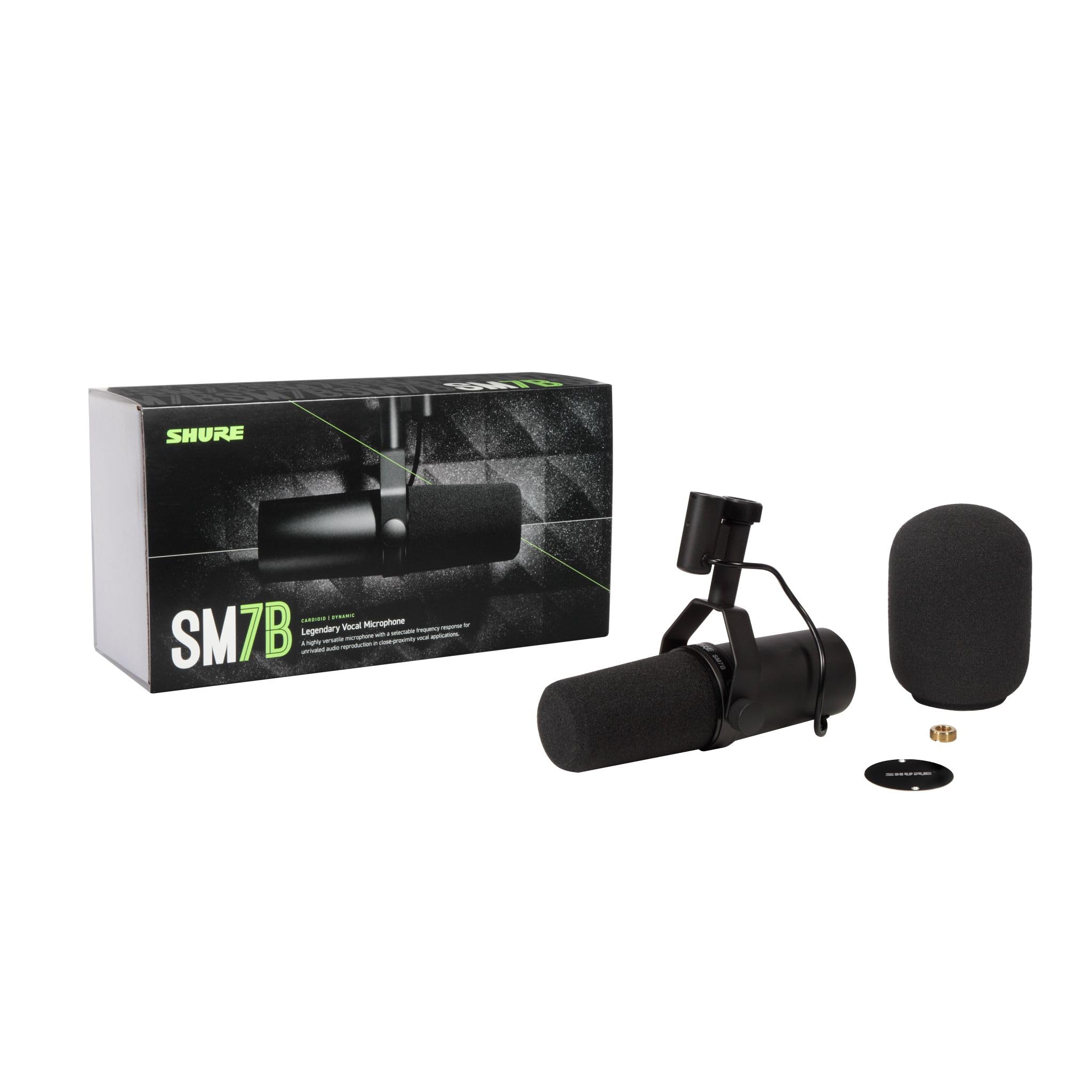
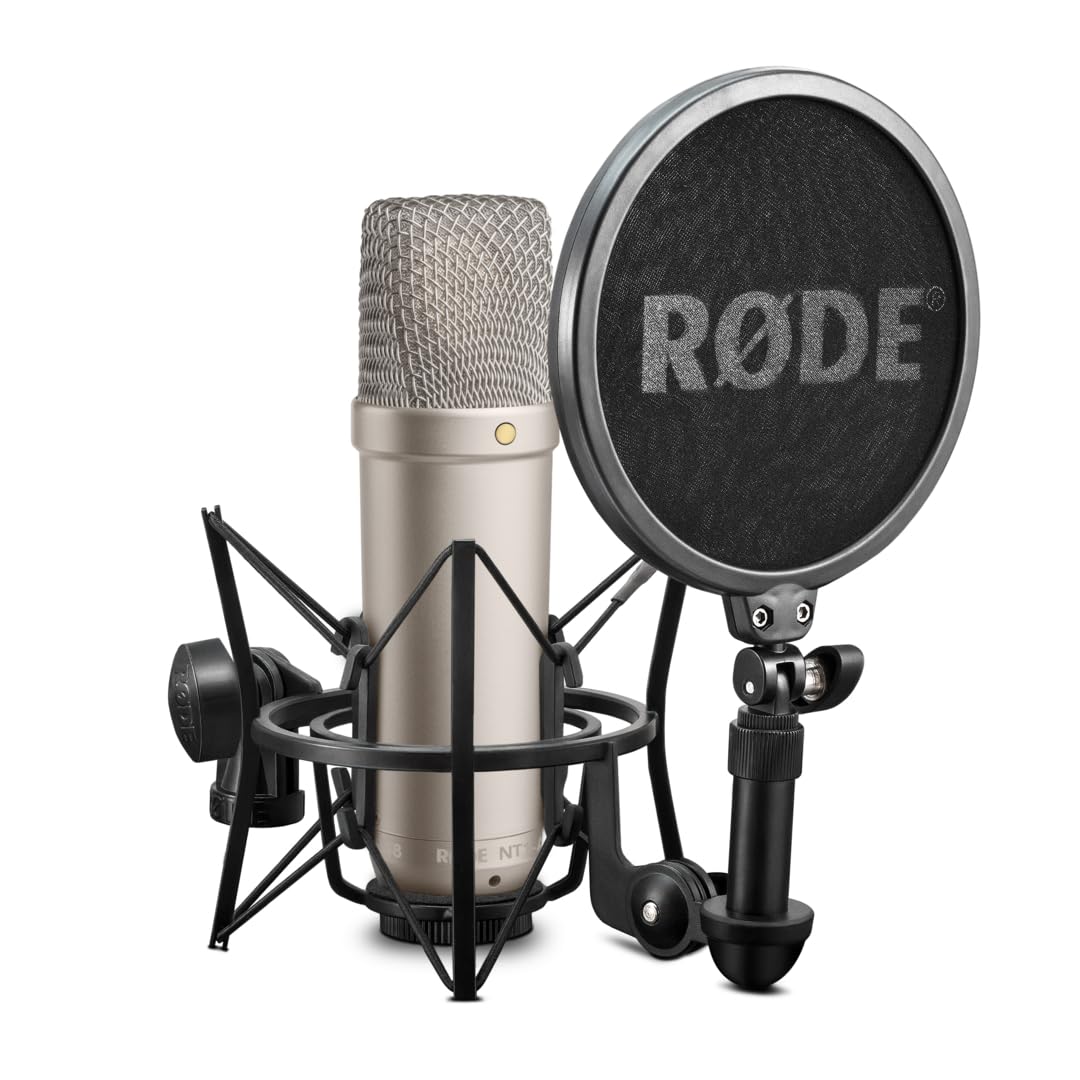
The Q802USB is a competent preamp, but it isn't a miracle worker. Pair it with dynamic mics that reject room noise — your gaming room probably has hard table surfaces, painted terrain, and no acoustic treatment. Condenser mics will pick up everything from a neighbor's leaf blower to your cat batting at a Space Marine. Stick with dynamics like the Shure SM58, Shure SM7B (if your room is reasonably quiet), or Behringer's own XM8500 if you're on a tight budget.
For deeper guidance on mic choice for a hosted talk format, see our guide to choosing the right microphone for podcasting and the top podcast microphones of 2026.
Where the Q802USB Falls Short
Honesty matters more than affiliate commissions. The Q802USB has real limitations you should weigh:
- Stereo USB only: You record the full mix as a single stereo track. No per-channel multitrack. If a host coughs into their mic mid-roll, you cannot isolate and fix it later — you'll be editing around it on the master.
- No mute buttons: The Q802USB lacks per-channel mute switches. For a podcast where one host might step away to grab a tape measure, you'll be reaching for the gain knob instead.
- Two mic channels only: Hard ceiling for a 3+ host show without sub-mixing.
- Plastic chassis: Lighter than a metal mixer, easier to slide off the table when a dice tray collides with it. Stick it to your desk with a non-slip mat.
If any of those are dealbreakers — particularly the stereo-only recording — step up to a multitrack USB mixer or a dedicated podcast mixer. Our 2026 podcast mixer roundup covers the multitrack tier in detail.
Q802USB vs. Stepping Up: When to Upgrade
Use the table below to figure out whether the Q802USB is genuinely the right tool for your show or whether you should jump to a bigger mixer or a dedicated podcast console.
| Need | Q802USB Verdict | Upgrade Trigger |
|---|---|---|
| 1–2 hosts, single stereo recording | Excellent fit | None — stay here |
| 3+ hosts on individual mics | Tight — needs sub-mix | Behringer Q1202USB or larger |
| Per-channel multitrack to DAW | Not supported | Rodecaster Pro 2 or Zoom PodTrak P8 |
| Live phone/Discord guests | Workable via stereo line in | Mixer with mix-minus bus |
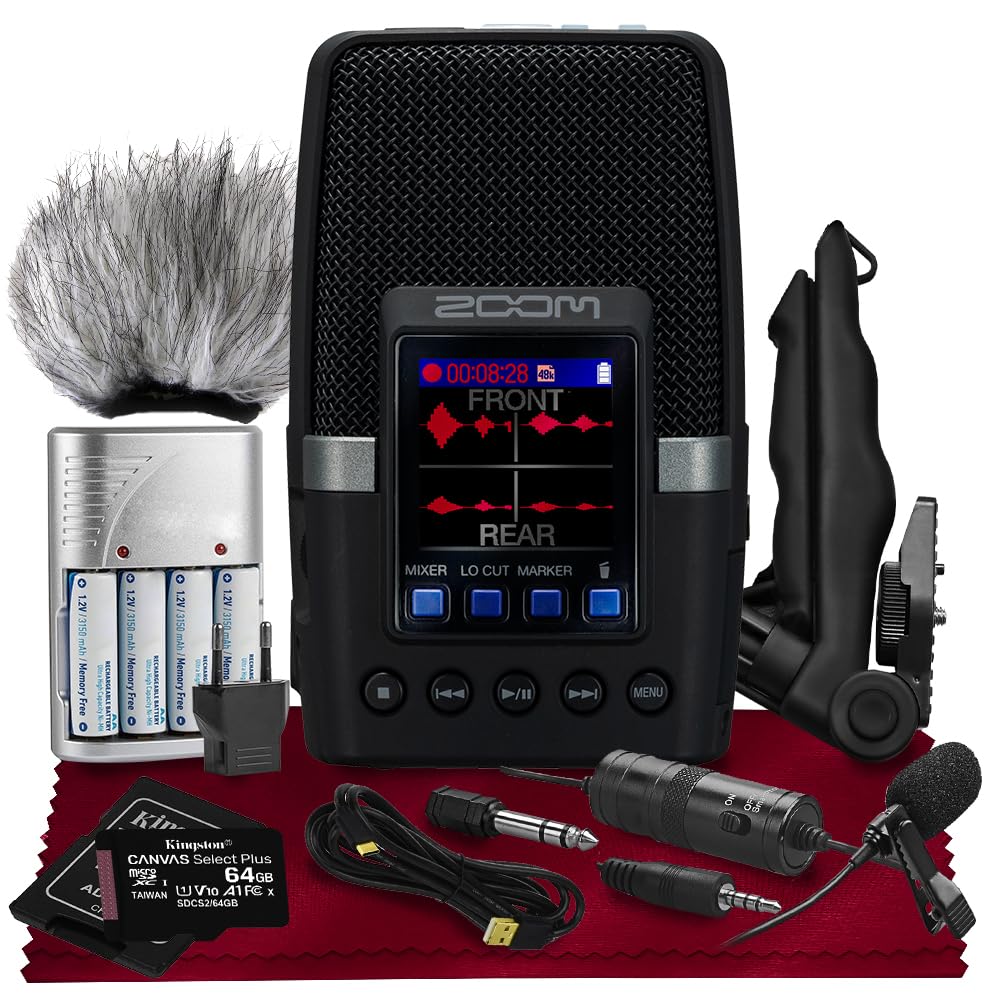
| Field/portable recording at conventions | Needs AC outlet | Zoom H6 or similar |
| Tight budget under $100 | Best-in-class | None — this is the value pick |
Treating Your Gaming Room
No mixer will save you from a slap-back echo bouncing off bare drywall and a glass display cabinet full of painted miniatures. Spend $40 on a couple of moving blankets draped behind your hosts during recording, throw an area rug under the table, and you'll dramatically improve the perceived quality of the Q802USB's output. For more, see our tips to reduce echo in a home studio.
Recording Workflow: Audacity and Reaper
Plug the Q802USB into your laptop via USB. In Audacity or Reaper, select "USB Audio CODEC" as the input device. Set the project sample rate to 48 kHz and bit depth to 24-bit. Arm a stereo track, hit record, and you're capturing the entire table to a single file. Save your project frequently — wargame sessions are long and a crash three hours in is its own special tragedy.
If you want to add per-host post-production options, record a backup take on a portable recorder positioned at the table center. A Zoom H1n or similar gives you a fallback if the USB feed glitches and a room-ambient track that can be subtly mixed in to give the listener the feel of being at the table — including those satisfying dice clatters.
Phantom Power and Dice Vibration
The Q802USB provides a single global +48V phantom power switch that applies to both mic channels simultaneously. This is fine if both hosts use the same mic type, less convenient if you mix a dynamic and a condenser. Dynamic mics are unaffected by phantom power being on, so you can safely leave it engaged if one host uses a condenser and the other a dynamic.
About vibration: do not bolt the mixer to the gaming table. Dice landing hard on terrain transmit low-frequency thumps through the table surface, into the mixer chassis, and back into the mic stands if everything is rigidly coupled. Put the mixer on a separate side table or shelf. Use boom arms clamped to a different surface than the gaming table. This single decoupling decision improves the audio more than any EQ tweak.
Pre-Show Checklist
- Phantom power engaged if needed.
- Gain set with each host saying their hottest line ("WAAAGH!" usually works) at -12 dBFS peak.
- Low-cut filter engaged on mic channels.
- EQ: small cut around 80 Hz to control rumble; gentle high-shelf bump around 10 kHz only if voices sound dull.
- USB output level tested in DAW with a 30-second test recording.
- Headphone monitoring on at least one host so you can hear obvious problems live.
- Backup portable recorder running.
Final Verdict
The Behringer Xenyx Q802USB for tabletop wargame podcast hosts is a quietly excellent pick for two-host shows on a real-world budget. It won't give you multitrack flexibility, and it won't replace a Rodecaster Pro for a polished narrative show. But for capturing the chaos, banter, and dice-rolling of a campaign battle report — straight to a single stereo file your editor can clean up in an hour — it earns a permanent slot on the gaming bench.
Before you buy, take twenty minutes to read our essential podcasting equipment guide so you don't end up with a great mixer paired with the wrong microphones or a noisy gaming room. The mixer is one link in the chain — the chain only sounds as good as its weakest part.
Frequently Asked Questions
Can the Behringer Xenyx Q802USB record each host on a separate track for a wargame podcast?
No. The Q802USB sends a single stereo mix over USB to your computer. If you need per-host multitrack recording for individual editing, you'll need to step up to a multitrack-capable interface or podcast mixer like the Rodecaster Pro 2 or Zoom PodTrak P8. For most two-host battle-report shows the stereo mix is sufficient if you set gains carefully.
Will the Q802USB handle four hosts for a Warhammer 40K narrative campaign podcast?
Not natively — it has only two mic preamps. You can add a small sub-mixer feeding into one of the stereo line channels for two additional hosts, but you lose individual EQ control over those voices. For a consistent four-host show, the Behringer Xenyx Q1202USB or Q1622USB is a better fit, or consider a purpose-built podcast mixer.
How do I reduce dice clatter and table rumble on a tabletop wargame podcast recording?
Three steps: physically decouple the mics from the table by clamping boom arms to a different surface, engage the low-cut filter on the Q802USB mic channels, and apply a 3–5 dB cut at around 80 Hz with the low-shelf EQ. Layering a felt or foam dice tray on the rolling surface also reduces transient slap dramatically.
What microphones pair best with the Behringer Xenyx Q802USB for a wargame podcast in an untreated room?
Dynamic mics with tight cardioid patterns. The Shure SM58 is a workhorse, the Shure SM7B is the upgrade pick if your gain staging is careful, and the Behringer XM8500 is the budget option. Avoid large-diaphragm condensers in untreated gaming rooms — they pick up too much room reflection and background noise.
Can I run a Discord or phone call into the Q802USB for a remote wargame co-host?
Yes, via the stereo line input channels using a TRRS-to-dual-TRS adapter or a small USB audio interface configured for the remote feed. You won't get a true mix-minus bus, so your remote guest may hear themselves echoed back unless you set up routing carefully. For frequent remote guesting, a mixer with a dedicated mix-minus output is a better long-term tool.
Is the Q802USB durable enough to live on a gaming table?
The chassis is plastic and lighter than competitors, so it can slide if knocked. Put it on a non-slip mat or, better, on a side table away from active rolling areas. The knobs and faders are reasonably resilient and Behringer's preamps in this line have a long track record of surviving live-sound abuse — gaming table life is gentler than a touring bar gig.
Should I buy a portable recorder instead of the Q802USB for a wargame podcast?
If you record at conventions, friends' houses, or anywhere without reliable AC and a laptop, yes — a portable recorder like the Zoom H6 is more flexible. If your show records at the same dedicated gaming table every week, the Q802USB plus a laptop is cheaper, easier to monitor live, and better for adding music stingers and live sound effects.
Key Takeaways
- Choosing the right Behringer Xenyx Q802USB for tabletop wargame podcast means matching capacity and output ports to your actual devices
- Always check actual watt-hours (Wh), not just watts — runtime depends on Wh, not peak output
- Also covers: Q802USB wargame podcast mixer
- Also covers: Behringer Xenyx dice roll noise
- Also covers: tabletop podcast budget mixer
- Compare price-per-Wh across models to find the best value for your budget