If you film recipe videos in your kitchen, the Blue Yeti X for cooking YouTube videos near range hoods can absolutely work — but only if you set it up correctly. The microphone is sensitive, professional-grade, and designed for streaming, so the 60–75 dB hum of a typical extractor hood will end up baked into your audio unless you choose the right polar pattern, mic distance, and gain staging. In this 2026 buyer's guide we'll walk through why the Yeti X is still a top pick for kitchen creators, how to defeat low-frequency fan rumble, when you should reach for a different microphone, and what accessories matter most for clean dialogue while a pot is bubbling and the vent is running.
Why the Blue Yeti X Suits Kitchen YouTubers
The Blue Yeti X is a USB condenser with four selectable polar patterns (cardioid, omnidirectional, bidirectional, and stereo), a four-capsule array, a smart knob with real-time LED metering, and a 24-bit/48 kHz converter. For recipe creators who do not want to deal with an external audio interface, XLR cabling, or phantom power, that all-in-one design is the appeal. You can plug it directly into a laptop on the counter, monitor through the headphone jack on the mic, and start recording in under a minute.
When shopping for Blue Yeti X for cooking YouTube videos near range hoods, it pays to compare specs, capacity, and real-world runtime before committing.
Compared to the original Yeti, the Yeti X gives you tighter cardioid pickup, a higher-resolution preamp, and better gain control — three things that matter enormously when there is a noisy appliance two feet away. The on-mic LED ring shows you when you are clipping, which lets you keep your voice level consistent across multiple cooking shots without having to stop and re-check software meters with messy hands.
The Range Hood Problem (And Why Most Kitchen Audio Sounds Bad)
Range hoods produce two distinct noise problems for a condenser microphone. The first is low-frequency mechanical rumble from the motor and fan housing, generally sitting between 50 Hz and 250 Hz. The second is broadband airflow hiss in the 2 kHz to 8 kHz range, which overlaps the consonants in human speech and is therefore very hard to remove in post without making the talent sound lispy or underwater.
The Blue Yeti X for cooking YouTube videos near range hoods is sensitive enough to capture both, especially in omnidirectional mode. The fix is not buying a different microphone; the fix is changing how you deploy this one. That means picking the right pattern, getting the capsule closer to your mouth than to the hood, and adding two cheap accessories — a shock mount and a foam or fur windscreen.
How to Set Up the Yeti X for a Working Kitchen
1. Use Cardioid, Always
Cardioid pattern rejects sound from the rear of the capsule. Aim the front of the Yeti X (the side with the Blue logo) directly at your mouth, and position the back of the microphone toward the range hood. You will get roughly 15–20 dB of rejection on the hood noise compared to omnidirectional pickup. Never use omni or stereo while filming with the vent on — those patterns capture the room equally in all directions, which is exactly what you don't want.
2. Get Within 6–10 Inches of the Capsule
The single biggest improvement you can make is reducing the distance between your mouth and the microphone. Doubling your distance from the mic drops your signal by 6 dB while the ambient hood noise stays the same — that is a massive degradation of signal-to-noise ratio. If you are demonstrating chopping or stirring, mount the Yeti X on a boom arm that swings in from off-camera so the capsule is just out of frame near your face, not sitting on the counter ten feet from your mouth.
3. Lower the Gain
Counterintuitively, you want low input gain on the mic and a louder speaking voice. High gain amplifies the hood hum along with your voice. Set the gain so that normal kitchen speech peaks around -12 dBFS and the LED ring shows green, never yellow. Project from your diaphragm the way a TV chef does. If your voice is too quiet, you are forced to raise gain, which raises the noise floor.
4. Add a Shock Mount and Pop Filter
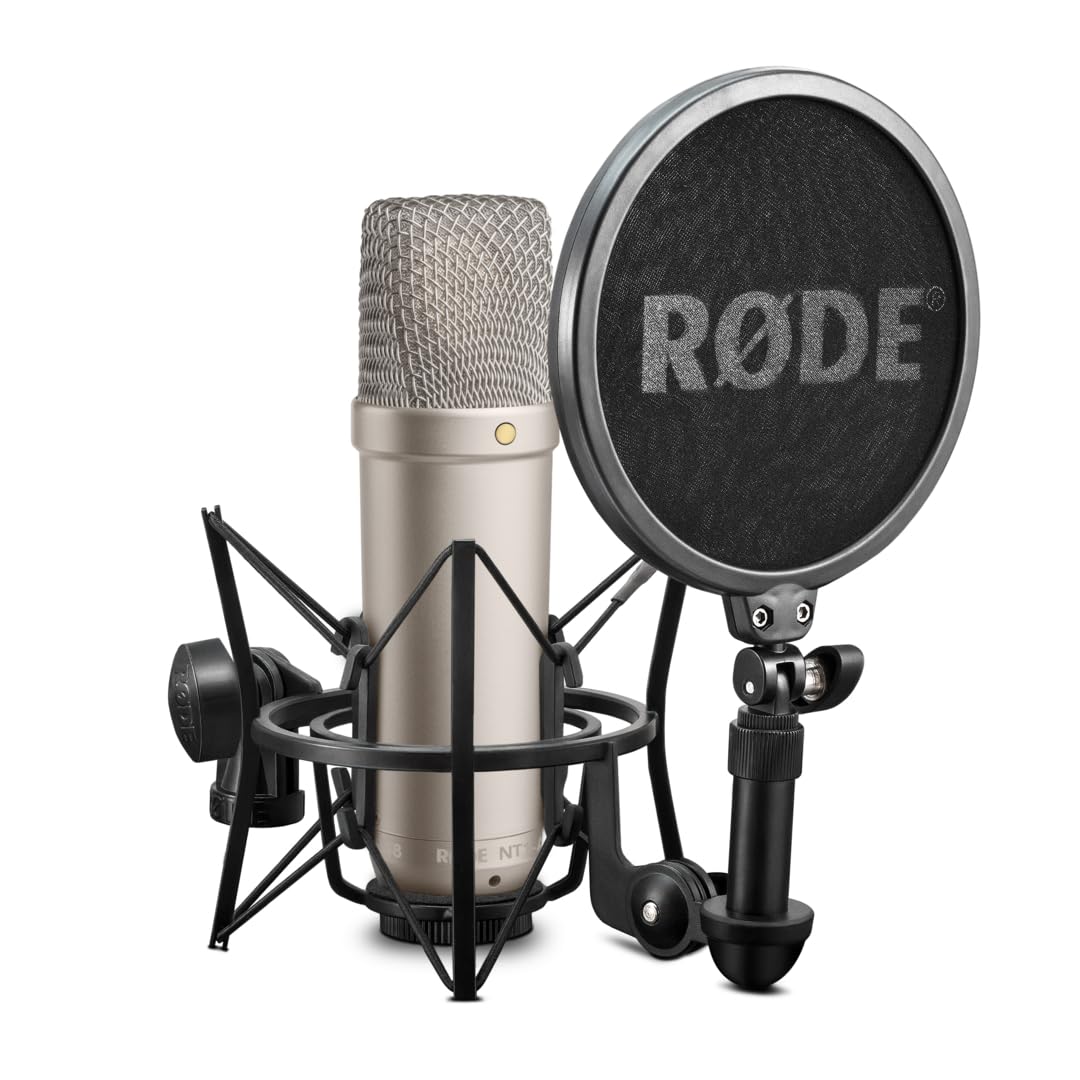
A shock mount isolates the Yeti X from countertop vibrations caused by chopping, slamming cabinets, or the hood itself rattling on its mount. A pop filter or foam windscreen tames the plosives that come from speaking close to the capsule and also blunts a small amount of high-frequency hiss. Both accessories are under $30 each and meaningfully change the recording.
5. Record a Room Tone Sample
Before you start cooking, hit record with the hood running and stay silent for thirty seconds. This room tone sample lets you apply noise reduction in DaVinci Resolve, Premiere, or Audacity using a real-world noise profile. Modern noise reduction plugins (including the free ones bundled with most editors in 2026) can subtract 10–15 dB of hood hum without making your voice sound robotic, provided they have a clean sample to work from.
When You Should Pick a Different Microphone Instead
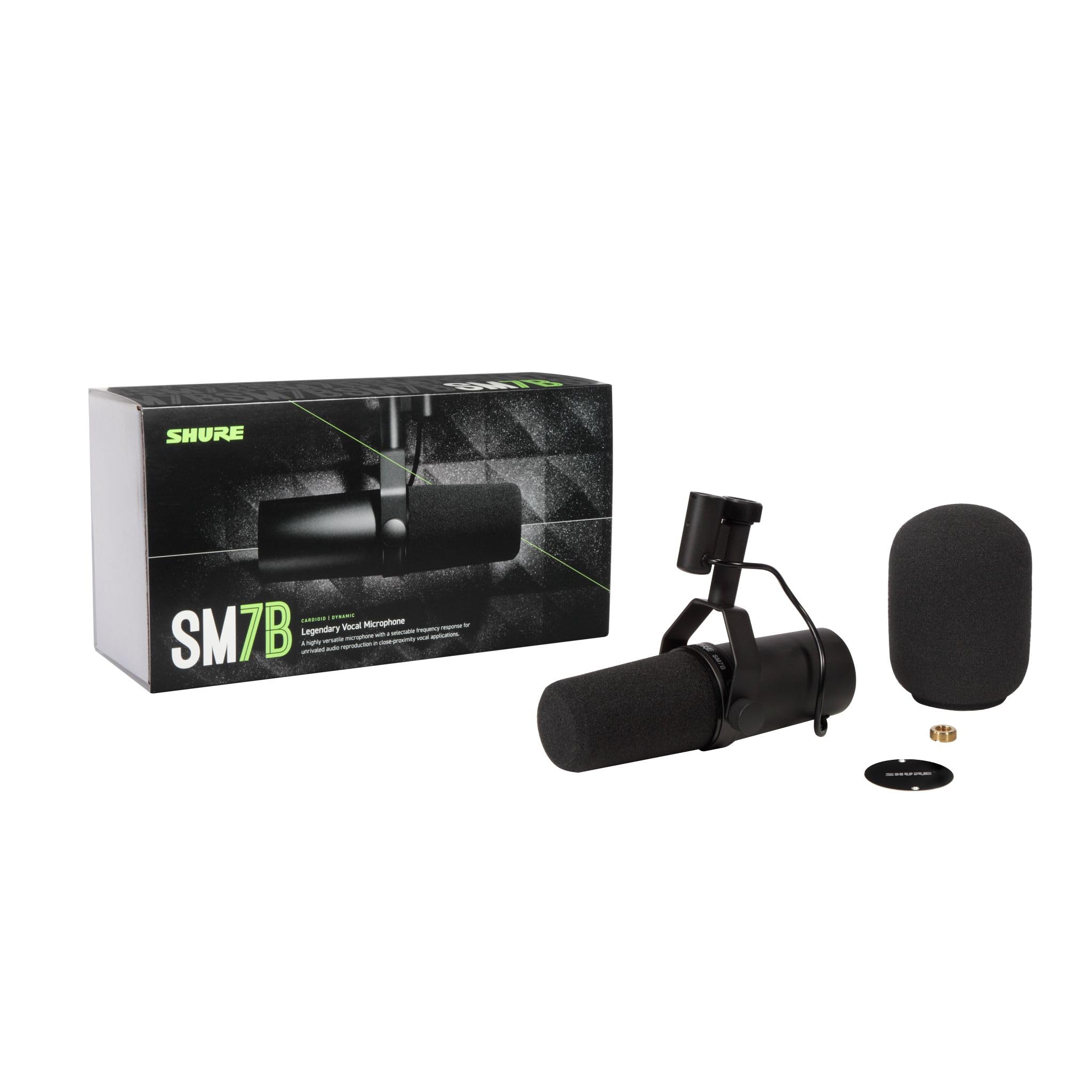
The Yeti X is a condenser, and condensers are inherently more sensitive to environmental noise than dynamic microphones. If your range hood is exceptionally loud (commercial-grade or vintage units often exceed 70 dB at the cook position), or if you film with a gas range that adds a roaring burner to the picture, you may be fighting physics. In those cases a broadcast dynamic microphone like the Shure SM7B or a similar end-address dynamic is a better tool — it will reject far more ambient noise at the cost of needing an audio interface and preamp.
For most home kitchens with a builder-grade hood running on low or medium, however, the Yeti X plus the setup tips above will deliver perfectly usable YouTube audio. Many of the top recipe channels on the platform record with USB condensers because the convenience outweighs the small noise-floor penalty.
Voice-Over vs. Live Capture: Two Different Workflows
The cleanest kitchen videos on YouTube are not actually recorded live in the kitchen. The creators capture B-roll of the cooking with the hood running, then re-record the narration in a quiet room using the same Blue Yeti X. The microphone's consistent tonal character makes the voice-over blend naturally with any small amount of live capture you keep for ambient atmosphere.
If you go this route, the Yeti X is even more attractive because you can move it from kitchen to bedroom or closet, plug into the same laptop, and get a matched sound. Cardioid pickup combined with a treated room (blankets, a closet, or a foam-lined booth) gives you broadcast-quality dialogue with zero appliance noise. Then you sync the voice-over to the kitchen footage in your editor and add light ambient sound from the kitchen mix for realism.
For more on building a quiet recording space outside the kitchen, see our guide to reducing echo in a home studio and our walkthrough on how to improve audio quality in home studios.
Camera Placement and Mic Synchronization
A common mistake is filming with the camera microphone running while also recording the Yeti X. In post you end up with two tracks of slightly different audio and an unusable phase relationship if you accidentally blend them. The fix: mute the camera mic in your editor, keep only its waveform for syncing purposes (PluralEyes or Premiere's built-in audio sync will align automatically), and use the Yeti X track as your only dialogue source.
EQ and Cleanup in Post
Even with a perfect tracking setup, a touch of post-processing helps. Apply a high-pass filter at 100 Hz to chop off the worst of the motor rumble — your voice has almost no useful information below that frequency anyway. Then use a narrow notch around the hood's fundamental tone (sweep through 80–200 Hz to find it) to surgically remove the hum without dulling your voice. Finally, run a gentle de-esser to control any high-frequency hiss that the windscreen didn't catch.
If you record voice-over separately, you can skip most of this and just apply light compression plus EQ for tonal polish. A 2:1 compressor with a slow attack and a -18 dB threshold keeps your dynamics natural while preventing peaks from clipping when you get excited about a finished dish.
Budget and Alternatives Inside the USB Condenser Class
The Yeti X typically sits in the $130–$170 range in 2026, which puts it among the premium USB condensers. If you are deciding between models in this class, the choice usually comes down to physical design and software ecosystem rather than raw audio quality. The Yeti X's smart knob and LED metering are genuinely useful in a kitchen where your hands are dirty and you can't easily reach a software mixer. For deeper comparisons within the USB condenser category, our piece on the Blue Yeti versus the Audio-Technica AT2020 covers the trade-offs in detail.
Creators who eventually want to upgrade to an XLR signal chain can keep the Yeti X for travel and B-roll voice-over while adding a dynamic mic plus interface for the main rig. Our roundup of the top podcast microphones of 2026 is a good starting point for that next step.
Quick Setup Checklist
- Mount on a boom arm, capsule 6–10 inches from your mouth
- Cardioid pattern only; rear of mic faces the range hood
- Gain low, voice projected
- Shock mount plus foam windscreen installed
- Record 30 seconds of room tone before each shoot
- High-pass filter at 100 Hz in post
- Consider re-recording narration in a quiet room and syncing to B-roll
Frequently Asked Questions
Does the Blue Yeti X work for cooking YouTube videos near range hoods if my hood is very loud?
It can, but you will need to lean heavily on cardioid pickup, close mic placement, and post-production noise reduction. If the hood exceeds about 65 dB at the cook position, consider recording your narration separately in a quiet room and using the kitchen footage as silent B-roll with light ambient sound mixed in.
Should I use cardioid or omnidirectional mode in the kitchen?
Always cardioid. Omnidirectional captures the entire room — including the hood, the dishwasher, and any HVAC — equally. Cardioid focuses on the front of the capsule and rejects roughly 15–20 dB of sound from the rear, which is exactly what you need with a noisy appliance behind you.
Do I need an audio interface with the Yeti X?
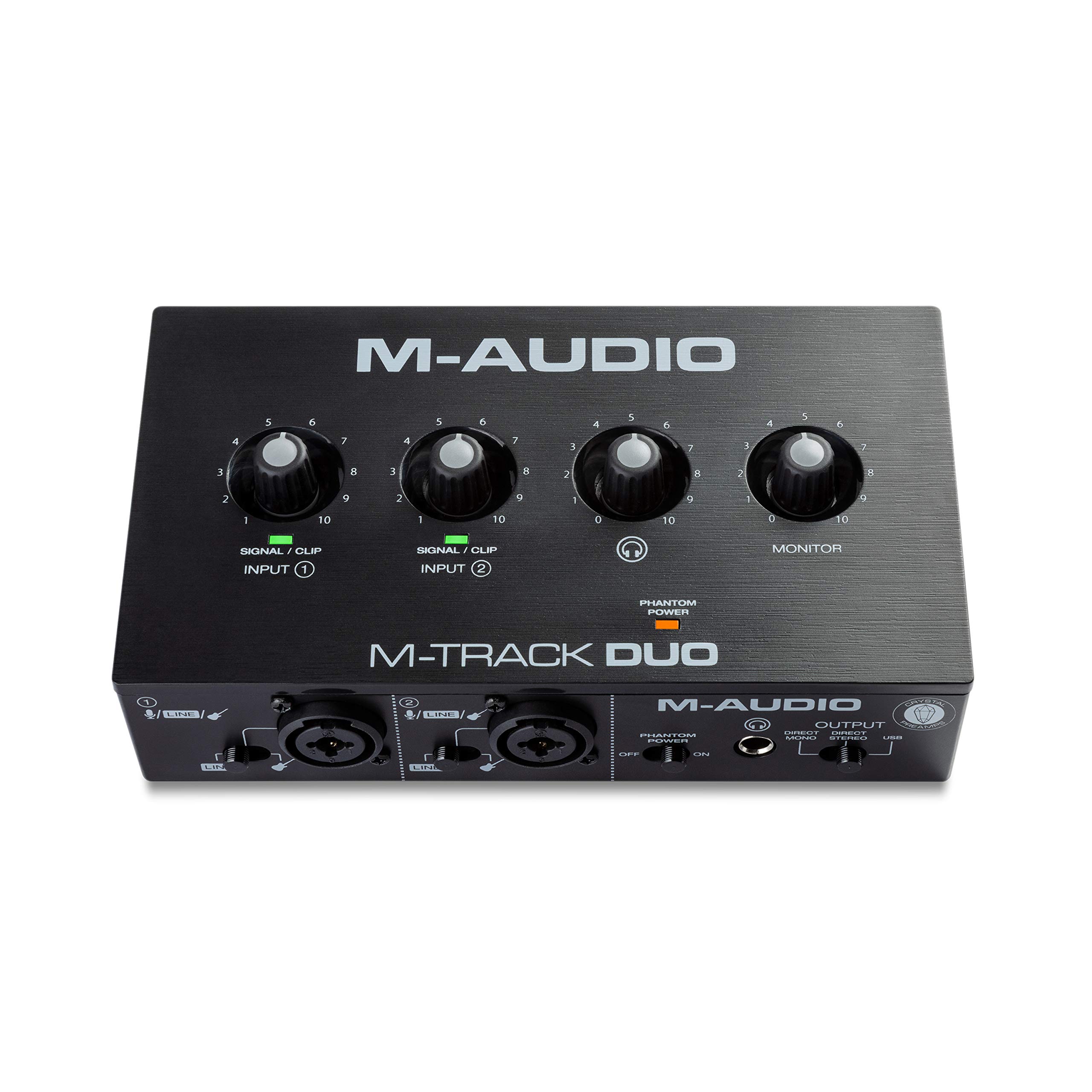
No. The Yeti X is a USB microphone with a built-in preamp and converter. Plug it directly into your laptop and record in any DAW or video editor. If you later want to use XLR dynamic microphones, you'll need an interface — see our guide on the best audio interfaces of 2026.
Can I clip the Yeti X to my apron or use it as a lavalier?
No. The Yeti X is a large-diaphragm condenser designed to sit on a stand or boom arm. For hands-free body-worn audio in the kitchen, a dedicated lavalier or a wireless lapel mic is a better tool. The Yeti X is for stationary cook-at-the-counter shots or for separate voice-over.
What software settings clean up range hood noise best in 2026?
Most editors now include AI-assisted noise reduction trained on real-world appliance noise — Adobe Premiere's Enhance Speech, DaVinci Resolve's Voice Isolation, and the free Audacity plugin all work well. Apply them after a high-pass filter at 100 Hz and a notch at the hood's fundamental tone for best results.
Is the Yeti X better than the original Yeti for kitchen filming?
Yes. The Yeti X has a tighter cardioid pattern, better gain control, and on-mic LED metering. All three matter when you are managing a sensitive condenser in a noisy environment with your hands tied up cooking.
Where should I record the voice-over if not in the kitchen?
A small closet full of soft clothing is the classic home recording booth. Bedrooms work too if you hang blankets on reflective walls. The goal is to kill reflections, not to make the room dead silent — even a partially treated room will sound dramatically better than a tiled kitchen. Our beginner home studio setup guide walks through low-budget options.
Key Takeaways
- Choosing the right Blue Yeti X for cooking YouTube videos near range hoods means matching capacity and output ports to your actual devices
- Always check actual watt-hours (Wh), not just watts — runtime depends on Wh, not peak output
- Also covers: Blue Yeti X cooking channel mic
- Also covers: kitchen YouTuber microphone range hood
- Also covers: Yeti X vs Yeti recipe videos
- Compare price-per-Wh across models to find the best value for your budget