If you've plugged a Shure SM7B, Electro-Voice RE20, or Shure MV7 dynamic into a Focusrite Scarlett 2i2 or Behringer UMC22 and immediately heard a wall of preamp hiss, you've discovered why the Cloudlifter CL-1 for low-gain interfaces became a podcasting standard. The CL-1 is a phantom-powered inline booster that adds roughly +25dB of clean, quiet gain ahead of your interface, letting low-output dynamic mics reach broadcast levels without cranking noisy preamp circuits to their last quarter-turn. If your interface's gain knob lives past 3 o'clock just to hit -18 dBFS, a Cloudlifter is the simplest fix.
This guide explains how the CL-1 works, which budget interfaces genuinely need one, which mics actually benefit, how to set it up correctly with 48V phantom power, and the realistic alternatives if you'd rather spend the money elsewhere. By the end you'll know whether the Cloudlifter is the right purchase for your specific rig in 2026, or whether a different interface, a different mic, or a different inline preamp is the smarter move.
When shopping for Cloudlifter CL-1 for low-gain interfaces, it pays to compare specs, capacity, and real-world runtime before committing.
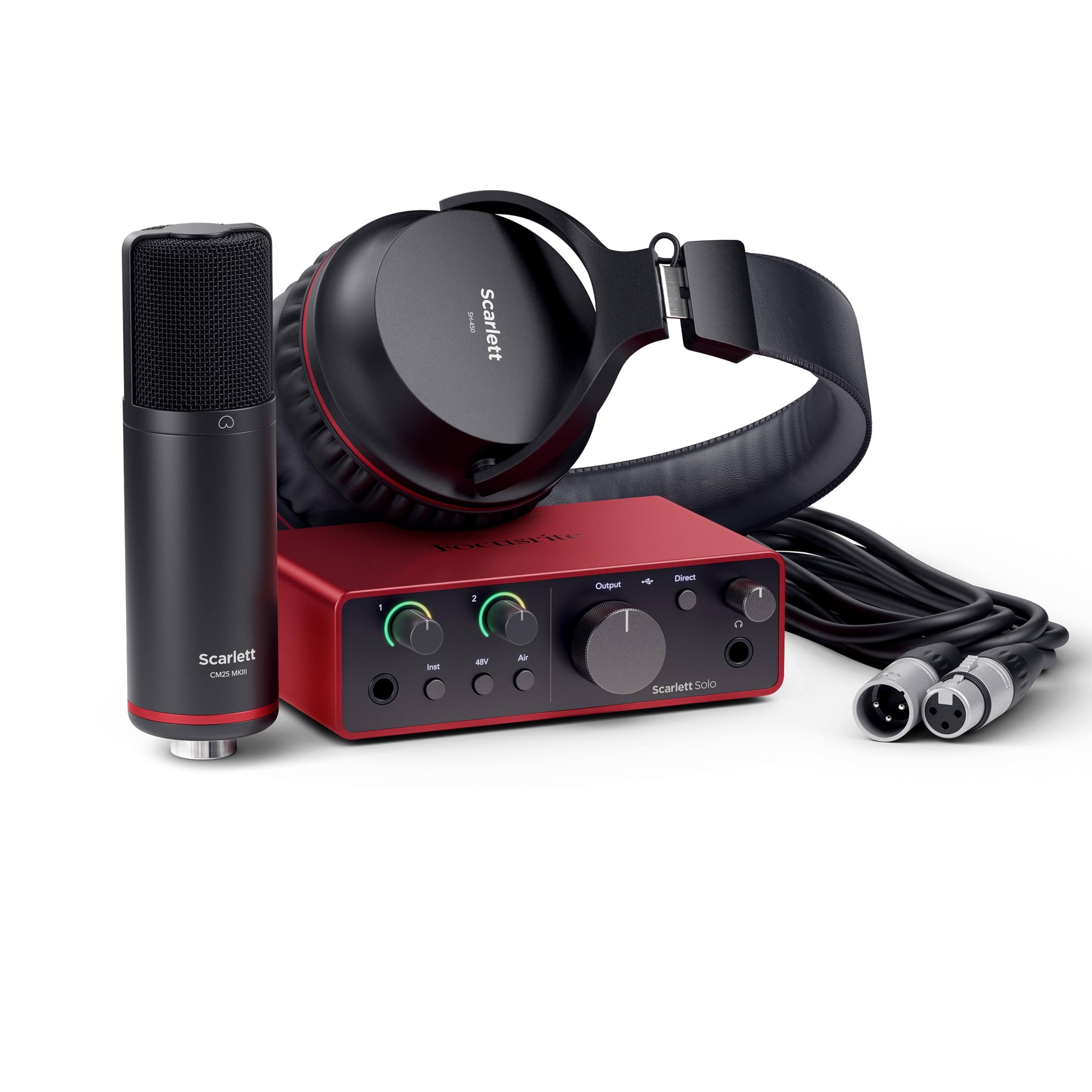
Why low-gain interfaces struggle with dynamic mics
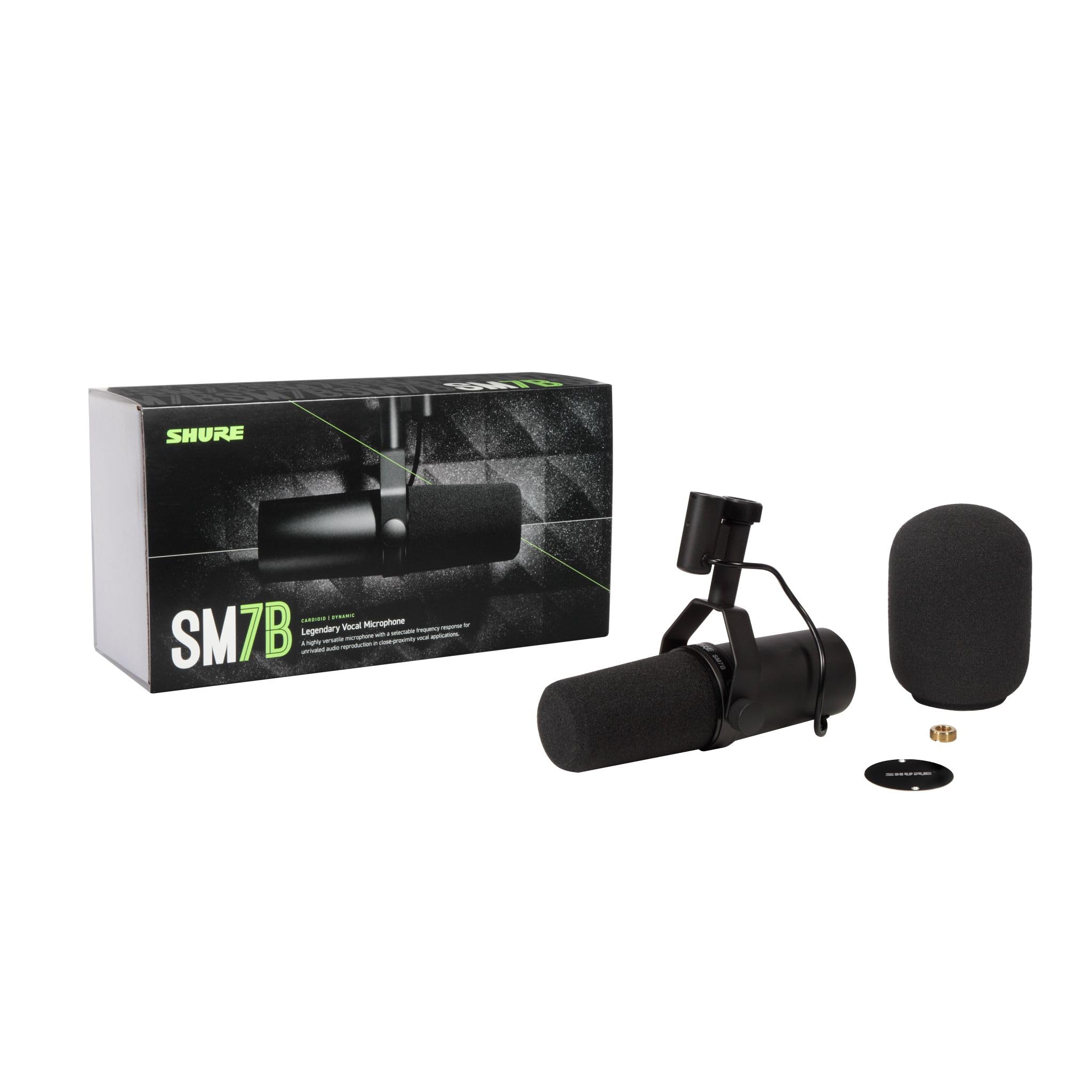
Most popular podcasting dynamic microphones have low output sensitivity. The Shure SM7B sits around -59 dBV/Pa, the Electro-Voice RE20 around -56 dBV/Pa, and the Shure MV7X around -55 dBV/Pa. To get a usable signal from a speaker 6-10 inches away, those mics need 60 dB or more of clean preamp gain. The problem is that affordable USB interfaces in the $100-$200 bracket typically advertise 56 dB of gain, but the last 10 dB are noisy — preamp self-noise climbs sharply at the top of the range, producing the audible hiss that ruins otherwise good takes.
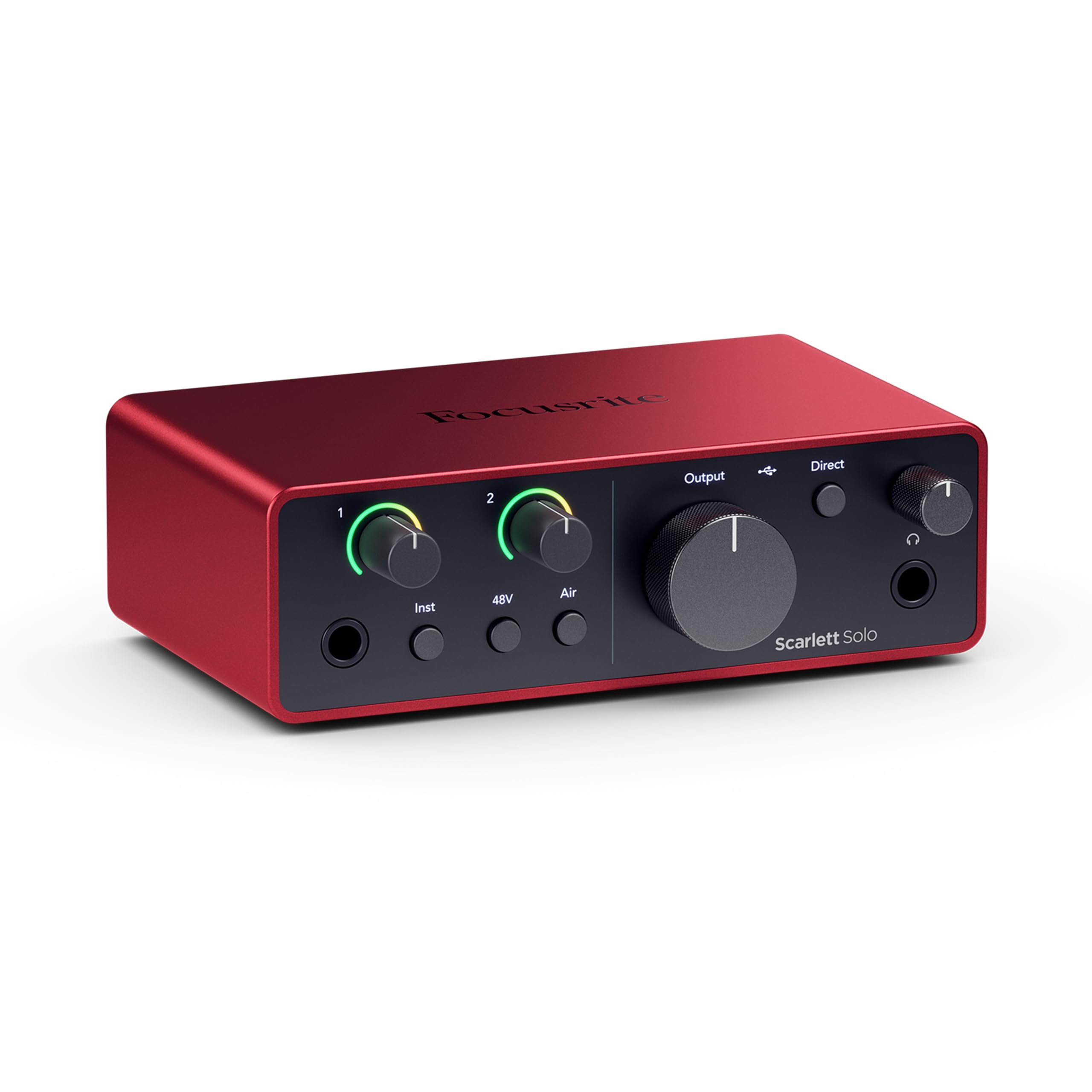
The Cloudlifter CL-1 solves this by inserting a clean +25dB JFET gain stage between the mic and the interface. Because it's powered by your interface's existing 48V phantom (not a battery, not a wall wart), you can leave your interface's gain knob at a comfortable 9-11 o'clock position where the preamp behaves cleanly. The signal reaching the converter is hot, the noise floor is low, and the recording sounds like the mic — not like a hiss generator.
Which interfaces actually count as "low-gain"?
Not every cheap interface needs a Cloudlifter. Here's a practical breakdown of what counts as low-gain in 2026.
Interfaces that almost always benefit from a CL-1
The original Focusrite Scarlett 2i2 (1st-3rd gen), Behringer UMC22 and UMC202HD, PreSonus AudioBox USB 96, M-Audio M-Track Duo, and most sub-$120 USB interfaces top out at 50-56 dB of gain with audible noise in the last 8-10 dB. With an SM7B at podcast distance, you're forced into that noisy zone every time. A Cloudlifter shifts your operating window 25 dB lower on the dial, which is exactly where these preamps sound clean.
If you're still deciding between two of the most common starter interfaces, our Focusrite Scarlett 2i2 vs Behringer UMC22 comparison breaks down the gain structure of both — and both are textbook cases for needing inline boost with dynamic mics.
Interfaces where a CL-1 is unnecessary
The Focusrite Scarlett 4th Gen series jumped to 69 dB of gain with a noticeably quieter preamp. The RodeCaster Pro II, RodeCaster Duo, GoXLR Mini (with Revoice), Universal Audio Volt 2/476, Audient iD4/iD14, and SSL 2/2+ all provide 66-72 dB of clean gain with low EIN figures. Plug an SM7B into any of these and you'll likely sit at 50-60% on the gain pot with a clean noise floor. A Cloudlifter still works on these — it just isn't necessary, and you're spending $150 you could put toward acoustic treatment, a boom arm, or a backup mic.
The edge cases
Some interfaces — Scarlett 3rd Gen, Vocaster One, MOTU M2 — sit in a middle zone with around 56-60 dB of gain. Whether you need a CL-1 depends on your mic, your speaking distance, and your voice level. A loud broadcaster speaking 4 inches from an MV7 will be fine; a soft-spoken narrator 10 inches from an SM7B with the -18 dB switch engaged will absolutely benefit.
If you haven't picked an interface yet, our roundup of the best audio interfaces for 2026 includes EIN numbers and noted which units have enough headroom that you can skip the inline booster entirely.
Which dynamic mics pair best with the CL-1?
The Cloudlifter is designed exclusively for passive dynamic and passive ribbon microphones. Plugging a condenser into it does nothing useful and can confuse phantom power routing. Here's where it shines.
Shure SM7B
This is the canonical use case. The SM7B is famously gain-hungry, and the "CloudLifter + SM7B + Scarlett" chain is so widespread it's effectively a podcasting cliché. If you're choosing between an SM7B and a condenser like the Rode NT1, our SM7B vs Rode NT1 comparison covers the budget implications — picking the SM7B usually means budgeting another $150 for inline gain. For practical placement strategies in less-than-ideal rooms, see the SM7B in untreated bedroom setups.
Electro-Voice RE20 and RE320
Slightly hotter than the SM7B but still gain-hungry on budget interfaces. The CL-1 pairs beautifully here, especially for voices that lean warm — the Cloudlifter is sonically neutral, so the RE20's character comes through unaffected.
Shure MV7X, MV7+ (XLR mode), and SM58
The MV7X and SM58 are a notch hotter than the SM7B and may not require the CL-1 on borderline interfaces, but they still benefit on the cheapest preamps. If you mostly use the MV7+ via USB, the inline booster is irrelevant — it only matters for the XLR output.
Ribbon microphones (Royer R-10, AEA R84, sE Voodoo VR1)
Ribbons are even more sensitive to phantom power routing than dynamics. The CL-1 is built to absorb the 48V at its input and pass only the clean boost downstream, so it's ribbon-safe — a critical detail if you've splurged on a ribbon for VO or guitar amp recording.
Mics that do NOT need a Cloudlifter
Any condenser (Rode NT1, AT2020, Neumann TLM 102), any active dynamic with built-in electronics (Shure SM7dB, Rode Procaster Pro versions with internal gain, Lewitt RAY), and any USB microphone. If your mic has a USB-C jack or an internal preamp circuit advertised as "active," you don't need inline gain.
How to set up the CL-1 correctly
The most common Cloudlifter failure is user error, not a defective unit. Run the signal chain in this order, every time.
1. Mic XLR cable CL-1 input (clearly labeled).
2. CL-1 output XLR cable interface mic input.
3. Set interface gain to minimum.
4. Engage 48V phantom on your interface. The CL-1's internal LED-free circuit will activate; there's no indicator light on a CL-1, which trips up new users.
5. Raise interface gain to about 9-11 o'clock. Speak at typical loudness 4-8 inches from the mic. Aim for peaks around -12 to -18 dBFS.
If you hear nothing, 95% of the time it's because phantom power isn't engaged or the mic and interface XLR cables are reversed at the CL-1. The unit is unidirectional — input and output are not interchangeable.
CL-1 vs. CL-Z vs. FetHead vs. SM7dB
The CL-1 has three direct competitors worth understanding before you buy.
The Cloudlifter CL-Z adds a variable gain knob and a high-pass / mid-presence filter for around $80-100 more. Useful if you swap between voices or instruments and want tonal flexibility.
The Triton Audio FetHead is a smaller, cheaper (~$90) inline booster with similar +27 dB of gain. It hangs off the back of the mic instead of sitting in a separate box. Performance is comparable for vocal podcasting; the CL-1 has a slight edge in headroom and noise figure, but most listeners can't hear the difference in a blind test.
The Shure SM7dB is essentially an SM7B with a Cloudlifter built into the mic body. If you haven't bought the mic yet and your interface is low-gain, the SM7dB at roughly $499 saves you the $150 Cloudlifter plus an extra XLR cable, and eliminates one cable junction. For new buyers in 2026 with a Scarlett 2i2, the SM7dB is often the cleaner total purchase.
When NOT to buy a Cloudlifter
Skip the CL-1 if any of these apply: your interface has 65+ dB of clean gain (Audient, SSL, UA Volt, RodeCaster, Scarlett 4th Gen); you only use condenser mics; you're already considering upgrading the interface anyway (put the $150 toward a better preamp); or you bought an SM7dB. Adding inline gain doesn't make a bad-sounding room better — if hiss isn't your main problem but reflections and HVAC noise are, your money belongs in acoustic treatment first.
Cable and phantom power gotchas
The CL-1 needs full 48V phantom power. Some bus-powered USB interfaces deliver only 24V or 36V phantom when the USB port is underfed (a problem on unpowered hubs and some laptops in low-power mode). If your CL-1 sounds weak even with the chain set up correctly, plug the interface into a powered USB hub or a different port and retry. Use balanced XLR cables on both sides of the CL-1 — TS or unbalanced runs will inject hum that defeats the purpose of the clean boost.
Buyer's checklist before you click purchase
Run through these five questions. If you answer "yes" to three or more, the Cloudlifter CL-1 for low-gain interfaces is genuinely the right buy in 2026.
- Is your interface preamp rated 56 dB or less of gain?
- Do you record a passive dynamic or passive ribbon microphone?
- Does your interface have working 48V phantom power?
- Do you hear preamp hiss in quiet vocal passages?
- Are you keeping your current interface for at least another 12 months?
Frequently Asked Questions
Does the Cloudlifter CL-1 work with a Focusrite Scarlett Solo or 2i2?
Yes, and these are among the most common pairings. The Scarlett Solo and 2i2 (1st through 3rd generation) provide proper 48V phantom power and have the noisy upper-gain range that the CL-1 is designed to bypass. With a Shure SM7B and a 2i2, expect to leave the interface gain around 10 o'clock instead of maxed out, with a noticeably cleaner noise floor.
Will the Cloudlifter CL-1 damage my condenser microphone?
No, but it won't do anything useful either. The CL-1 is designed to pass phantom power to its input — but condensers expect a specific impedance and current draw that the CL-1 doesn't accommodate. At best you'll get a weak, distorted signal; at worst the condenser simply won't work. Use the CL-1 with passive dynamics and ribbons only.
Why is there no LED on the Cloudlifter CL-1?
Cloud Microphones deliberately omitted the indicator light because powering an LED would consume a small amount of phantom current and could compromise the unit's clean gain spec. Confirm operation by watching the input meter on your interface — if you see signal when you speak and the phantom switch is on, the CL-1 is working.
Is the Cloudlifter CL-1 better than a FetHead for podcasting?
Both add roughly +25 dB of clean gain and both work transparently with the SM7B. The CL-1 has slightly better headroom and a marginally lower noise figure on paper. In practical podcast use the difference is inaudible — choose the FetHead if you want a smaller form factor and lower price, or the CL-1 if you prefer a separate desktop box you can grab and reposition.
Can I use the Cloudlifter CL-1 with a USB microphone?
No. USB microphones bypass the analog mic preamp entirely and connect directly to the computer. The CL-1 is an XLR-only inline preamp and has nowhere to insert into a USB signal path. If you have a hybrid USB/XLR mic like the Shure MV7+, the CL-1 only matters when you're using the mic's XLR output through a separate interface.
How much gain reduction should I expect on my interface after adding a CL-1?
Plan on dropping interface gain by about 20-25 dB. If you previously had a Scarlett 2i2 set at 75-80% to record an SM7B, after adding the CL-1 you'll likely sit at 30-40%. That shift moves you out of the preamp's noisiest operating zone — the entire point of the upgrade.
Does the CL-1 add any color or tonal change to my voice?
The CL-1 is engineered for sonic neutrality — no EQ, no compression, no character. It's a clean gain stage. If you want tonal shaping along with the boost, look at the Cloudlifter CL-Z, which adds a high-pass filter and a mid-presence switch designed for broadcast voice work.
Key Takeaways
- Choosing the right Cloudlifter CL-1 for low-gain interfaces means matching capacity and output ports to your actual devices
- Always check actual watt-hours (Wh), not just watts — runtime depends on Wh, not peak output
- Also covers: Cloudlifter for Scarlett Solo SM7B
- Also covers: cheap interface dynamic mic gain boost
- Also covers: CL-1 vs FetHead budget interface
- Compare price-per-Wh across models to find the best value for your budget