If you spent decades behind an AM console and are now building a podcast studio at home, the electro-voice re20 radio host home podcast workflow is the most natural transition you can make. The RE20 has been the de facto large-diaphragm broadcast dynamic in American radio booths since 1968, and the muscle memory you built around its proximity-controlled low end, its rear-rejecting Variable-D pattern, and its forgiving off-axis response transfers directly into a treated bedroom or basement studio. This guide walks you through why the RE20 still belongs in your signal chain in 2026, what supporting gear an ex-broadcaster needs to recreate the booth feel at home, and the small adjustments that separate a radio sound from a polished podcast sound.
Why the RE20 still fits a former AM host
The Electro-Voice RE20 was designed for the exact problem AM radio engineers wrestled with for half a century: a presenter sitting six inches from a cardioid microphone, leaning in and out unpredictably, in a room that was never truly dead. Most cardioid condensers, and even most cardioid dynamics, would bloom in the low-mids whenever the host pulled close to the capsule. Electro-Voice's Variable-D (variable distance) port system solved this by tuning multiple rear entry points so that low frequencies enter the rear of the capsule and partially cancel the proximity boost. The result is a microphone that sounds tonally consistent whether your mouth is three inches or eighteen inches away from the grille.
For an AM radio host transitioning to a home podcast studio, that single design choice is worth more than any spec sheet. You already lean. You already gesture. You already pull off mic to cough or sip coffee. The RE20 doesn't punish those habits. Combine that with its broadcast-flat 45 Hz to 18 kHz response, internal pop filter, and humbucking coil that shrugs off the EMI from a desk full of monitors and laptops, and you have a microphone purpose-built for the kind of show you already know how to host.
What changes when you move from a station to a spare bedroom
An AM studio has three things your house does not: a treated air-handling system, a console with broadcast-grade preamps and dynamics processing baked in, and a heavy door. Those three absences are what most ex-broadcasters underestimate when they set up at home. The RE20 is forgiving of room sound because of its tight cardioid pattern and aggressive rear rejection, but it is not magic. A reflective drywall room with parallel walls will still print slap echo on a vocal track, no matter how good the capsule is.
The good news is that the electro-voice re20 radio host home podcast workflow needs less treatment than a condenser-based setup would. A dynamic microphone with broadcast-style rear rejection turns acoustic treatment from a requirement into an optimization. You can record a publishable podcast in an untreated walk-in closet with this mic in front of you, and you can record a great one in a room with two broadband absorbers behind your monitor and a thick rug under your chair. For a deeper dive into killing reflections on a budget, see our guide to reducing echo in a home studio.
Replacing the console: preamps, interfaces, and processing
In a station, gain staging was someone else's problem. At home, it becomes yours. The RE20 is a passive dynamic microphone with around 1.5 mV/Pa sensitivity, which means it asks a lot of any preamp in front of it. Plan on needing 60 dB or more of clean gain to drive the capsule to broadcast levels, especially if you have a soft speaking voice or you like to keep the mic eight to twelve inches off your face the way many AM hosts prefer.
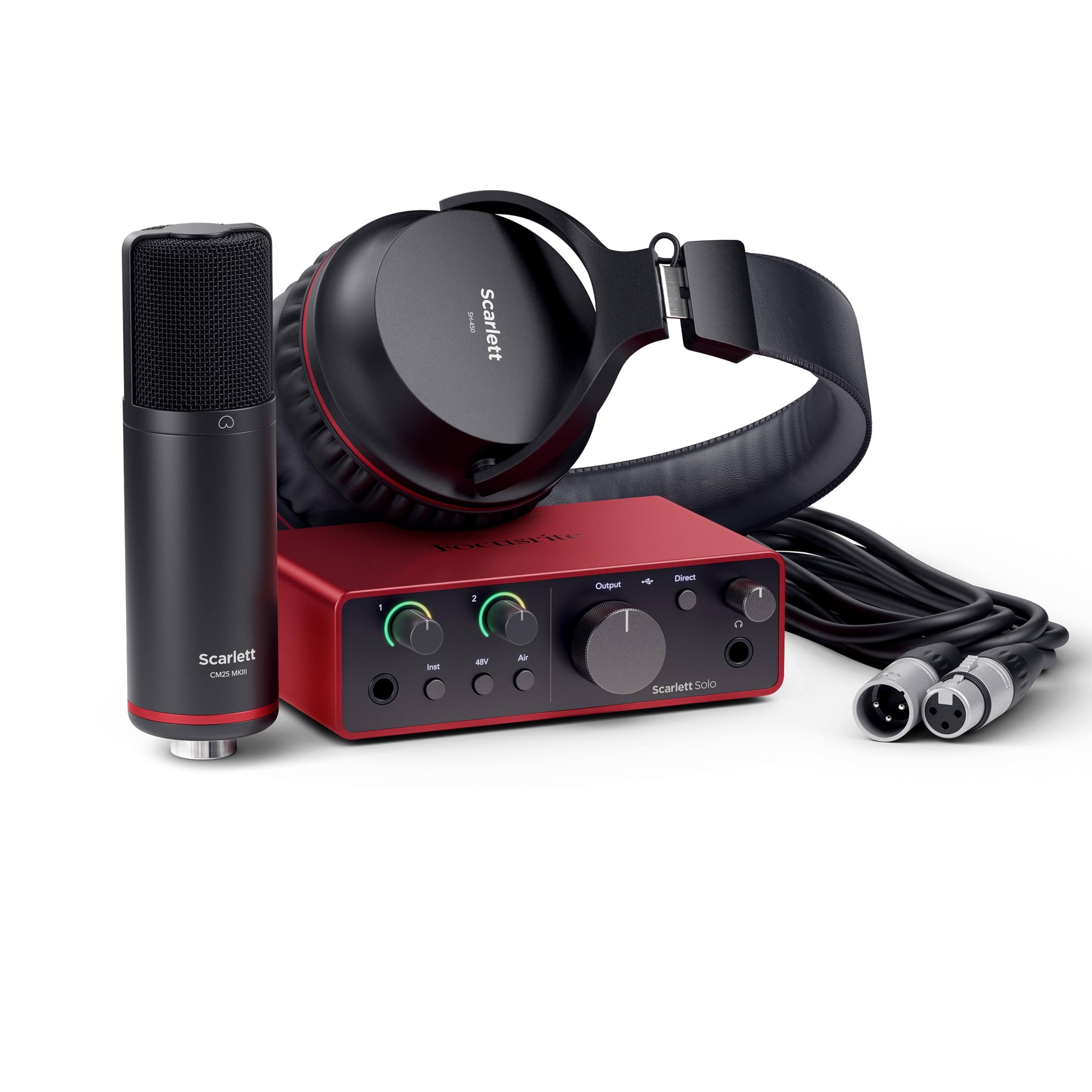
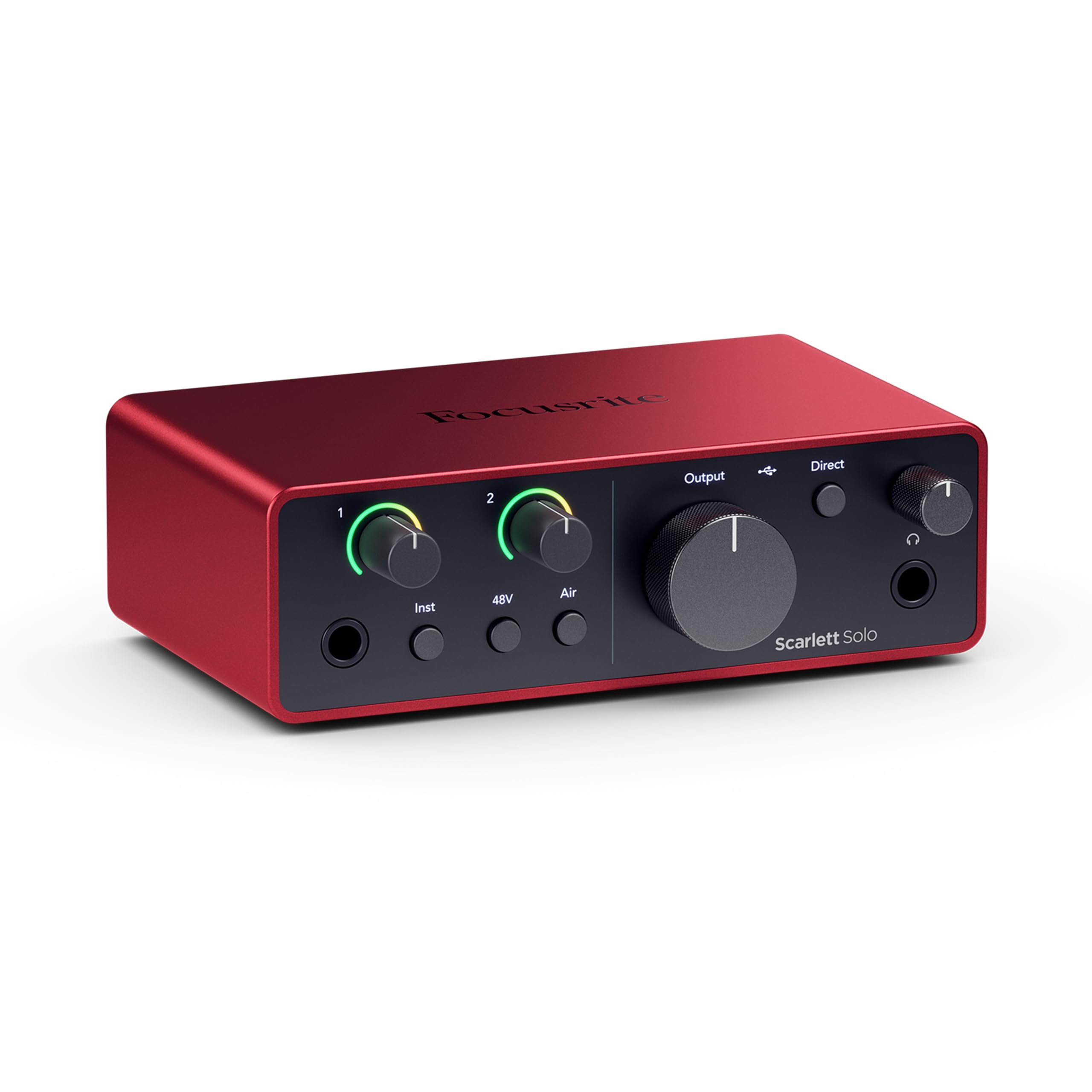
That gain requirement narrows your interface options. Entry-level USB interfaces with 50 to 55 dB of preamp gain can technically run the RE20, but you will be running the gain knob to the stop and you will hear preamp hiss in quiet moments. A better fit is an interface in the 60 to 70 dB range, or a dedicated inline preamp booster between the mic and the interface. If you want to compare specific options across the budget spectrum, our roundup of the best audio interfaces in 2026 calls out which models pair cleanly with high-gain dynamics like the RE20.
The other piece of console functionality you are giving up is real-time processing. AM stations process aggressively at the chain output, so you never had to think about compression or de-essing on your own voice. In a home studio, you will want a light hand on both. A 2:1 to 3:1 compression ratio with a fast attack and medium release will get you a controlled, broadcast-feeling vocal without sounding squashed. Many ex-broadcasters overdo this at first because their ear is calibrated to processed AM audio; resist the urge.
Mic technique adjustments for podcasting
This is the part most former AM hosts skip and then have to relearn from listener complaints. Podcast listeners hear you in earbuds, in cars, and through laptop speakers, but the dominant listening environment is intimate and close. AM technique often involves projecting at the mic the way you would across a table. Podcast technique benefits from a quieter, conversational delivery much closer to the capsule, somewhere between three and six inches.
The RE20 handles this beautifully because Variable-D keeps your low end honest no matter the distance. You can choose your working distance based on the energy of the show, not the limitations of the capsule. A serious interview show might sit at five inches with a soft delivery. A high-energy sports talk show might pull back to nine inches with the projection you used on air. For more on choosing distance, pop filter setup, and pattern selection across different formats, our overview of choosing the right microphone for podcasting is a good companion read.
Mounting and stand considerations
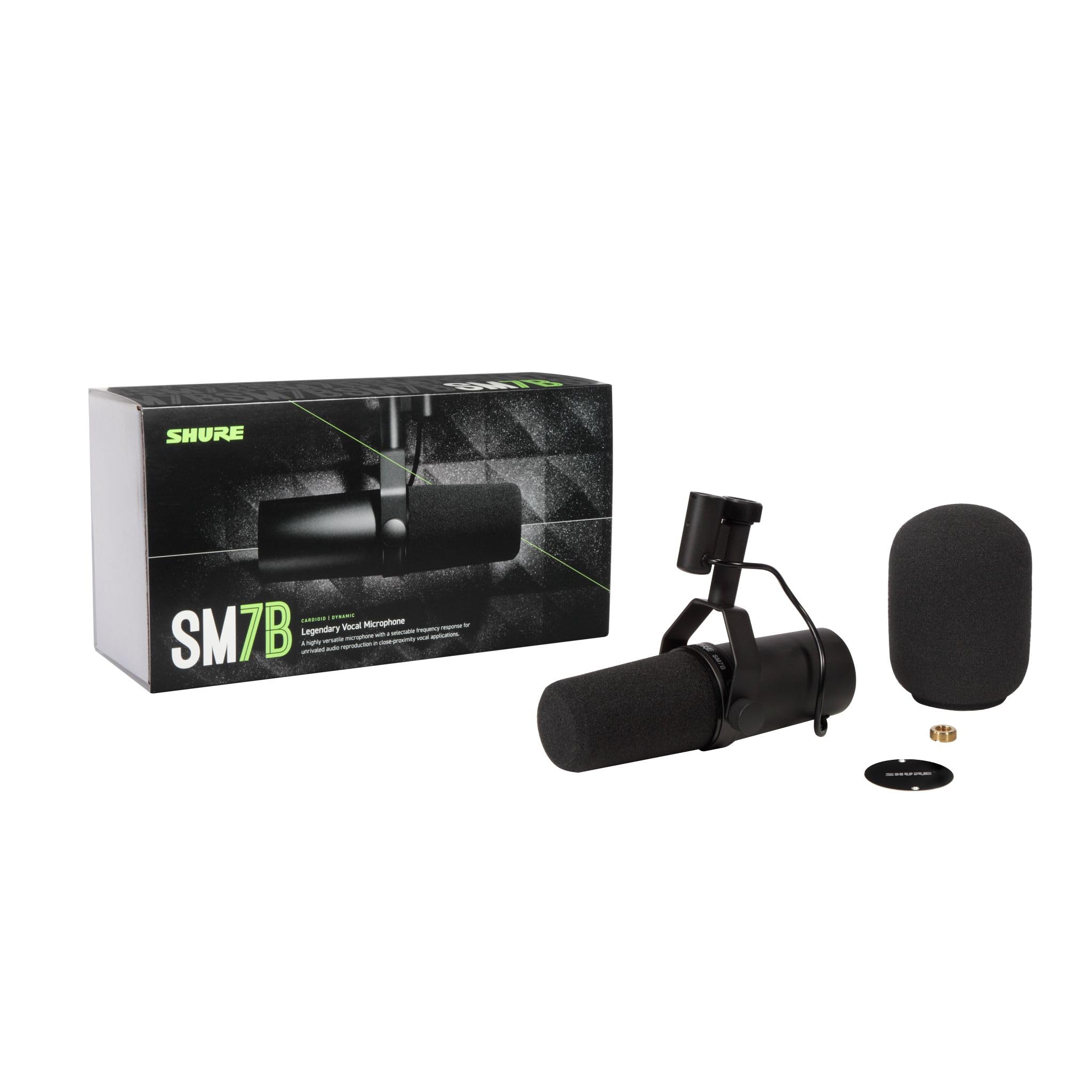
The RE20 weighs 1.5 pounds. That is not a trivial number for a boom arm or shock mount. Many of the popular podcast booms on the market today were specified around the much lighter Shure SM7B or even lighter condensers, and they will sag, creep, or refuse to hold position under the RE20's weight. Before you commit to a boom, check its rated load capacity and confirm it can hold at least 2.5 pounds with the mic plus shock mount and cable strain.
Electro-Voice sells the 309A stand clamp that ships with the microphone, and it is fine for fixed desktop or floor stand use. If you want isolation from desk thumps, keyboard typing, or footfalls on a wood floor, a dedicated shock mount designed for the RE20 is worth the investment. The internal shock mounting in the capsule is good but not infinite, and a hardwood floor in a bedroom transmits more low-frequency energy than the carpeted broadcast studios you came up in.
Room acoustics for a Variable-D dynamic
One of the underrated advantages of the electro-voice re20 radio host home podcast setup is how much room you can get away with. The mic's aggressive rear and side rejection means treatment behind your monitor and treatment on the wall behind your head do more work than treatment on the far walls of the room. Prioritize a thick absorber directly behind the mic (which is to say, in front of your face, behind the monitor), and a second behind your head to kill the reflection bouncing off the wall you are facing away from.
If you are sharing the space with a bedroom or office, soft furnishings carry more weight than you think. A bookshelf full of irregularly stacked books is a surprisingly effective broadband diffuser. A heavy quilt on the wall behind your monitor is a passable absorber. You can iterate to perfection later, but the goal in your first month is to get the room quiet enough that the RE20's rear lobe rejection finishes the job. Our soundproof home studio guide covers the difference between absorption and isolation, which trips up a lot of broadcasters early on.
Workflow differences from a live broadcast
Recording for later release frees you from one of the constraints that shaped your AM career: you can edit. Take advantage of it. Stop adding verbal filler to bridge gaps. Stop forcing yourself to land segments at the top of the next minute. The RE20's tonal consistency from take to take, edit to edit, makes vocal editing nearly invisible, which means you can be more aggressive about cutting weak passages without worrying about audible tone changes at the splice.
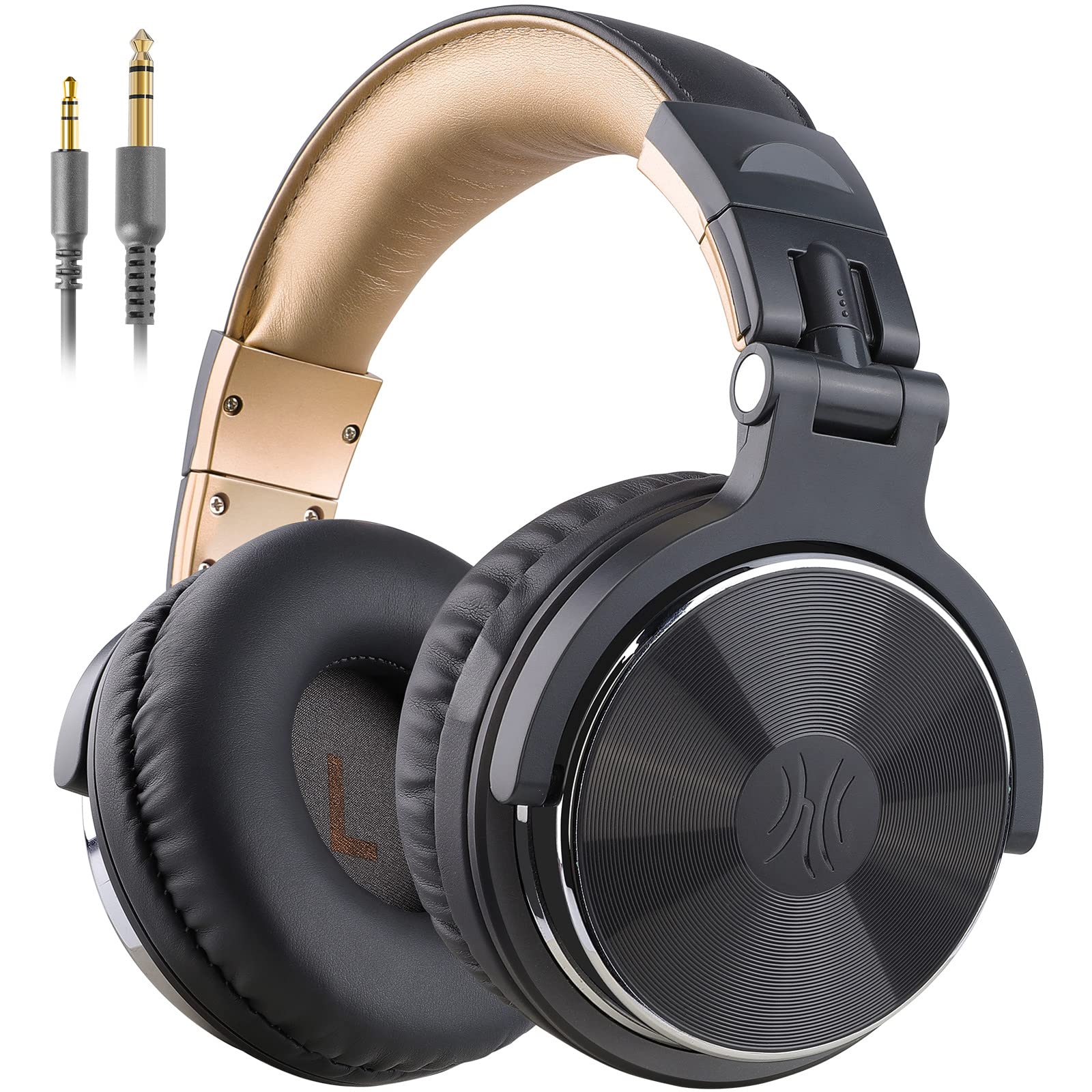
You will also want to monitor differently. Most AM hosts wore a single-side headphone or open-back cans with one cup pushed back. For podcast tracking, closed-back headphones with full isolation will help you hear your own consonants, sibilance, and breath sounds the way the listener will. Wear them on both ears.
Common mistakes ex-broadcasters make
The biggest one is overprocessing. You spent years listening to a vocal chain that included compression, EQ, de-essing, and a final limiter at the transmitter. That sound is etched into your reference. When you sit down to mix your own podcast, you will reach for that sound, and you will go too far. The corrective is to mix your podcast on a pair of consumer earbuds for ten minutes before publishing. If your voice sounds aggressive there, dial back.
The second mistake is treating the RE20 like a condenser. It is not, and you do not need to set it up like one. Pop filters are largely redundant with the RE20's internal blast filter unless you have severe plosives. Mic placement does not need to be precise to the millimeter the way a condenser does. Lean in when you want intimacy, pull back when you want energy, and trust Variable-D to make it work.
What an end-to-end RE20 home podcast chain looks like
A minimal viable chain for the electro-voice re20 radio host home podcast workflow is: RE20 mic, XLR cable, optional inline gain booster, audio interface with at least 60 dB of clean preamp gain, closed-back headphones, and a laptop running your DAW or recording software of choice. Add a sturdy boom arm rated for the weight, a basic shock mount, and two pieces of broadband absorption in the room, and you have a setup that will outperform most semi-pro podcast studios for years.
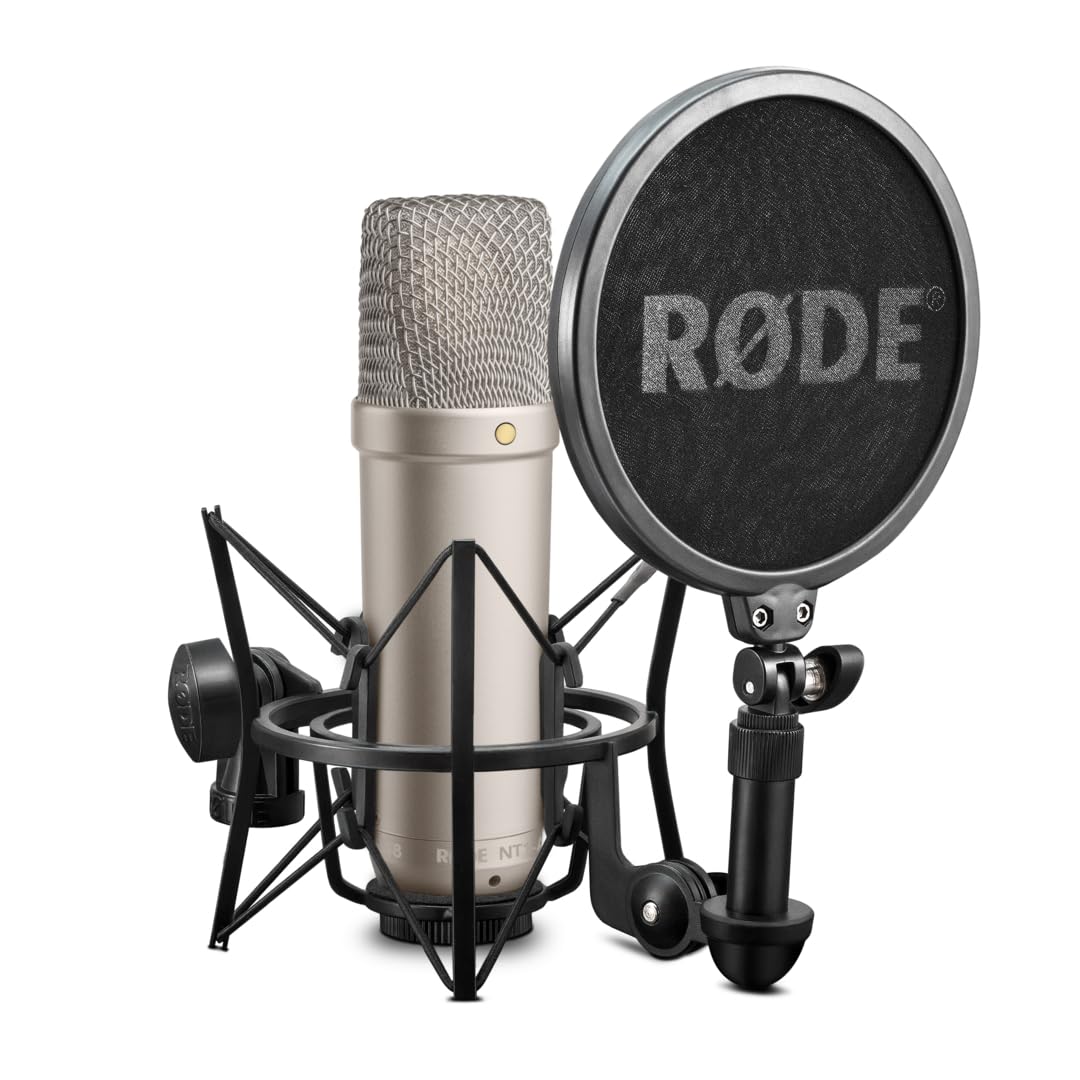
If you want to see how the RE20 stacks up against other broadcast dynamics commonly used in this space, the comparison most often raised is the Shure SM7B, which our SM7B versus Rode NT1 breakdown contextualizes from the opposite end of the spectrum.
Frequently Asked Questions
Is the Electro-Voice RE20 still worth buying in 2026 for a new podcast studio?
Yes. The RE20 has been in continuous production for more than five decades because the underlying design solves problems that newer microphones still struggle with, particularly proximity-effect control and consistent off-axis tone. For an ex-broadcaster who already knows how to work the mic, it remains one of the most cost-effective long-term investments in a home studio because it will outlast every other piece of gear on your desk.
Do I need a Cloudlifter or FetHead with the RE20 for podcasting?
It depends on your interface. If your interface delivers a clean 60 dB or more of preamp gain, you can run the RE20 directly with no inline booster. If you are using a budget interface in the 50 to 55 dB range, an inline booster that adds 20 to 25 dB of clean gain ahead of the preamp will keep your noise floor low and your headroom comfortable.
Can I record a professional podcast with the RE20 in an untreated room?
You can publish a perfectly usable show this way, especially if you stay within four to six inches of the capsule and use a soft, conversational delivery. The RE20's rear and side rejection does a lot of the heavy lifting. That said, two pieces of broadband absorption strategically placed will take the result from good to great with a modest investment of time and money.
How does the RE20 compare to the Shure SM7B for a former AM radio host?
Both microphones are at the top tier of broadcast dynamics, and both are common in radio studios. The RE20 typically delivers a slightly fuller low-mid presence and more consistent tone across working distances thanks to Variable-D, while the SM7B is often described as a bit darker and more forgiving of sibilant voices. Former AM hosts who used the RE20 on air will find the transition home seamless; the muscle memory carries over.
What boom arm can hold the RE20 without sagging?
Look for a boom rated for at least 2.5 to 3 pounds of payload. Many popular budget booms are rated for lighter condensers and will droop under the RE20's 1.5-pound weight plus shock mount. Heavier-duty broadcast booms with proper spring tension are worth the extra investment and will hold position for the life of the studio.
Do I need phantom power for the Electro-Voice RE20?
No. The RE20 is a passive dynamic microphone and does not use phantom power. You can leave the 48V switch on your interface off when recording with the RE20. Sending phantom power to it will not damage the mic, but it provides no benefit either.
How should I EQ the RE20 for a podcast voice?
Less than you think. Many engineers find the RE20 needs only a gentle high-shelf lift above 8 kHz to add a touch of air, and possibly a narrow cut between 200 and 400 Hz if your specific voice builds up there. Avoid the temptation to apply heavy AM-style processing; podcast listeners respond better to a present, natural tone than to the heavily compressed sound of broadcast radio.
Key Takeaways
- Choosing the right electro-voice re20 radio host home podcast means matching capacity and output ports to your actual devices
- Always check actual watt-hours (Wh), not just watts — runtime depends on Wh, not peak output
- Also covers: re20 former radio broadcaster podcast
- Also covers: ev re20 broadcast quality home studio
- Also covers: re20 AM radio voice podcasting
- Compare price-per-Wh across models to find the best value for your budget