The Mackie ProFX10v3 school theater podcast setup works because the mixer balances four real microphone preamps for student hosts, a simple USB output for recording into a classroom laptop, onboard effects to soften nervous teenage voices, and a steel chassis that survives the chaos of a drama-room cabinet. For teachers running student-hosted broadcasts from a backstage booth or shared theater workspace, the ProFX10v3 sits at a useful middle point between a single beginner USB mic and a professional broadcast console. This buyer's guide explains who it serves best, how to wire it for safe and repeatable use, and which accessories sustain a full academic year of episodes.
Why the ProFX10v3 fits a school theater podcast program
School theater podcasts have a unique set of constraints that home studio gear rarely addresses. You usually have between two and four student hosts on the same episode, the room is shared with rehearsals and prop storage, the cast rotates across the semester, and the person at the console is often a different student each week. The ProFX10v3 answers most of those constraints in one box. Its four Onyx microphone preamps are quiet enough for dynamic broadcast microphones at student speaking distances, the 60mm faders provide enough travel for students to learn smooth level changes without yanking small knobs, and the built-in 24 effects (reverb, delay, chorus, telephone, and others) give teachers a teaching moment about taste rather than forcing students into a flat dry mix from the start.
Beyond features, the price point matters for a public-school audio elective. The ProFX10v3 typically sits in a budget range where a single PTA fundraiser or small grant can fund the mixer plus two microphones and headphones. For programs that already have an aging analog board from a sound-design class, adding the ProFX10v3 specifically for podcast nights gives the broadcast workflow its own permanent home without disrupting theater audio. The mixer also survives being moved between a tech-booth shelf and a portable cart, which matters when the theater stage doubles as your recording space on performance weeks.
Channel layout and what each input does for student hosts
Channels 1 through 4 are the workhorse mic/line inputs with Onyx preamps, +48V phantom power (switched in pairs), three-band EQ, an FX send, and a pan control. These are where student hosts plug their microphones. The four-mic preamp count is the practical maximum for a roundtable theater podcast — past four hosts, the conversation gets harder to direct anyway, and student energy tends to scatter. Channels 5/6 and 7/8 are stereo line inputs, which you can use for a phone interview return (via a TRRS adapter), a sound-effects pad, or a music bed during scripted segments.
The USB section gives you a 2-in/2-out connection to a laptop or tablet. Crucially, only a stereo mix is sent over USB — not individual channels — which is the single biggest workflow decision teachers need to plan around. For most student shows, a clean stereo mix is fine, but if your curriculum includes a unit on post-production editing of individual host tracks, you will want a parallel multitrack backup (covered below). The headphone bus, main mix output, and control-room output round out the I/O. The control-room output is handy for routing audio to a theater-lobby monitor speaker during a live podcast taping in front of an audience.
Setting up a repeatable classroom workflow
A reliable Mackie ProFX10v3 school theater podcast workflow only sticks if every student can sit down and get a usable signal in under three minutes. The mixer supports that through its straightforward front panel, but the teacher still needs to lock the workflow in. Label each channel strip with colored vinyl tape — color-code the tape to each host's microphone cable so a substitute teacher can match microphones to channels without instruction. Tape down a recommended starting gain position for each channel based on a representative student voice at twelve inches from the microphone. Print a one-page setup sheet that lives in the mixer's storage box and walks a substitute through power-on, phantom-power state, USB connection, and recording start.
Teach students to use the mute buttons rather than pulling faders during awkward pauses or coughs — muting preserves the gain structure for the next segment. Demonstrate the FX send control with one effect (a short room reverb, for instance) and resist the urge to introduce all 24 effects in the first lesson. The goal is to build voice-first instincts before introducing production gloss.
USB recording: getting the show into a DAW
The ProFX10v3's USB output appears to a computer as a standard class-compliant audio device on macOS, Windows, and most Chromebooks — no driver download required, which matters for locked-down school IT environments. Record into Audacity, GarageBand, Reaper, or a browser-based recorder. Set the project sample rate to 48 kHz to align with video classes if your school later cuts the podcast into highlight reels. A 256-sample buffer keeps latency low enough that students hear themselves naturally in the headphones.
Because USB sends only the stereo mix, plan a redundant capture. The simplest backup is a small handheld recorder fed from the control-room output or a tape send, capturing the same stereo mix to an SD card. If a student forgets to press record on the laptop or the school Wi-Fi triggers an OS update mid-episode, the SD card backup is the difference between losing a class period and salvaging the show. For teachers who want individual host tracks for editing exercises, you will need to step up to a mixer with multitrack USB — but most school podcast programs do not need that until year two or three of the curriculum.
Pairing the ProFX10v3 with student-friendly microphones
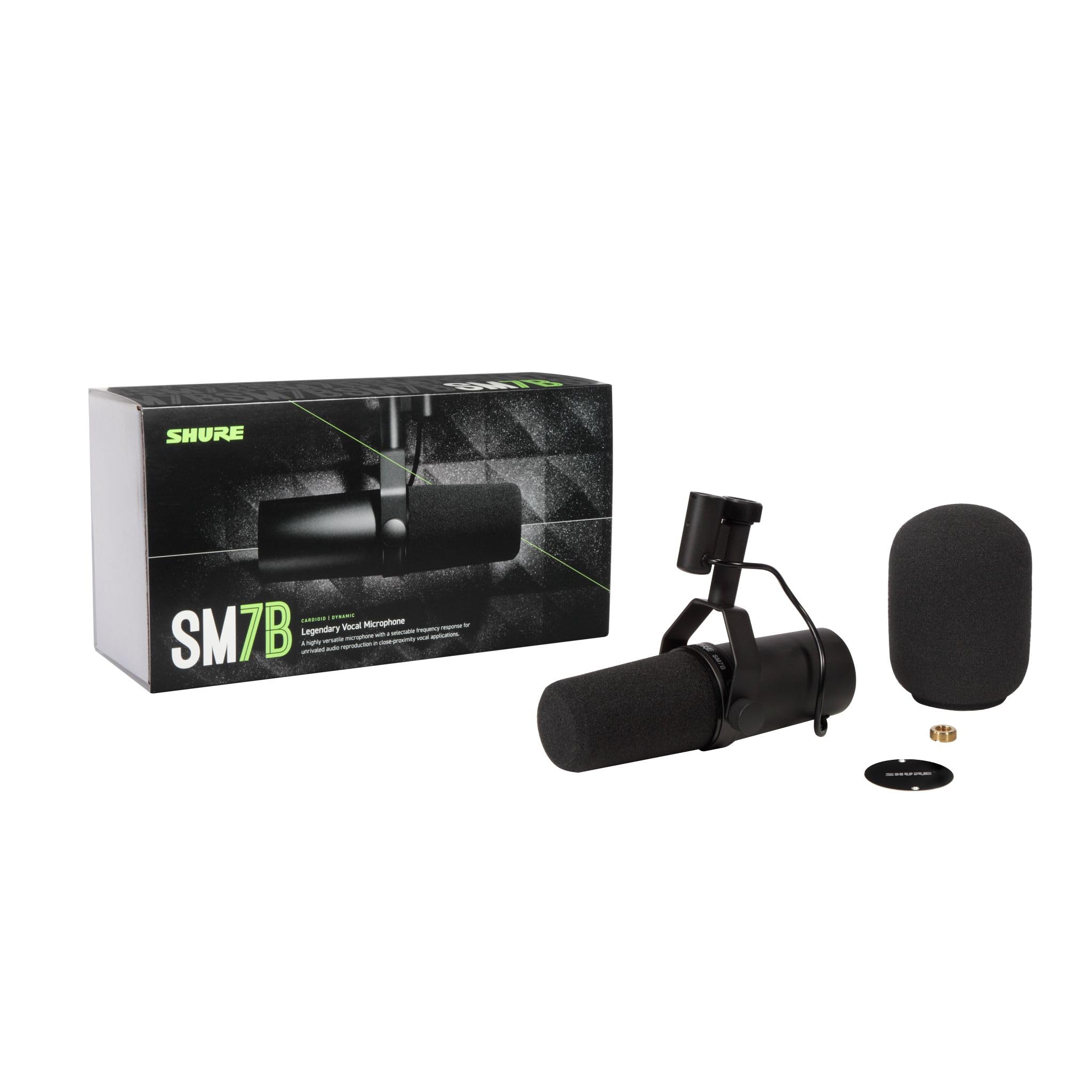
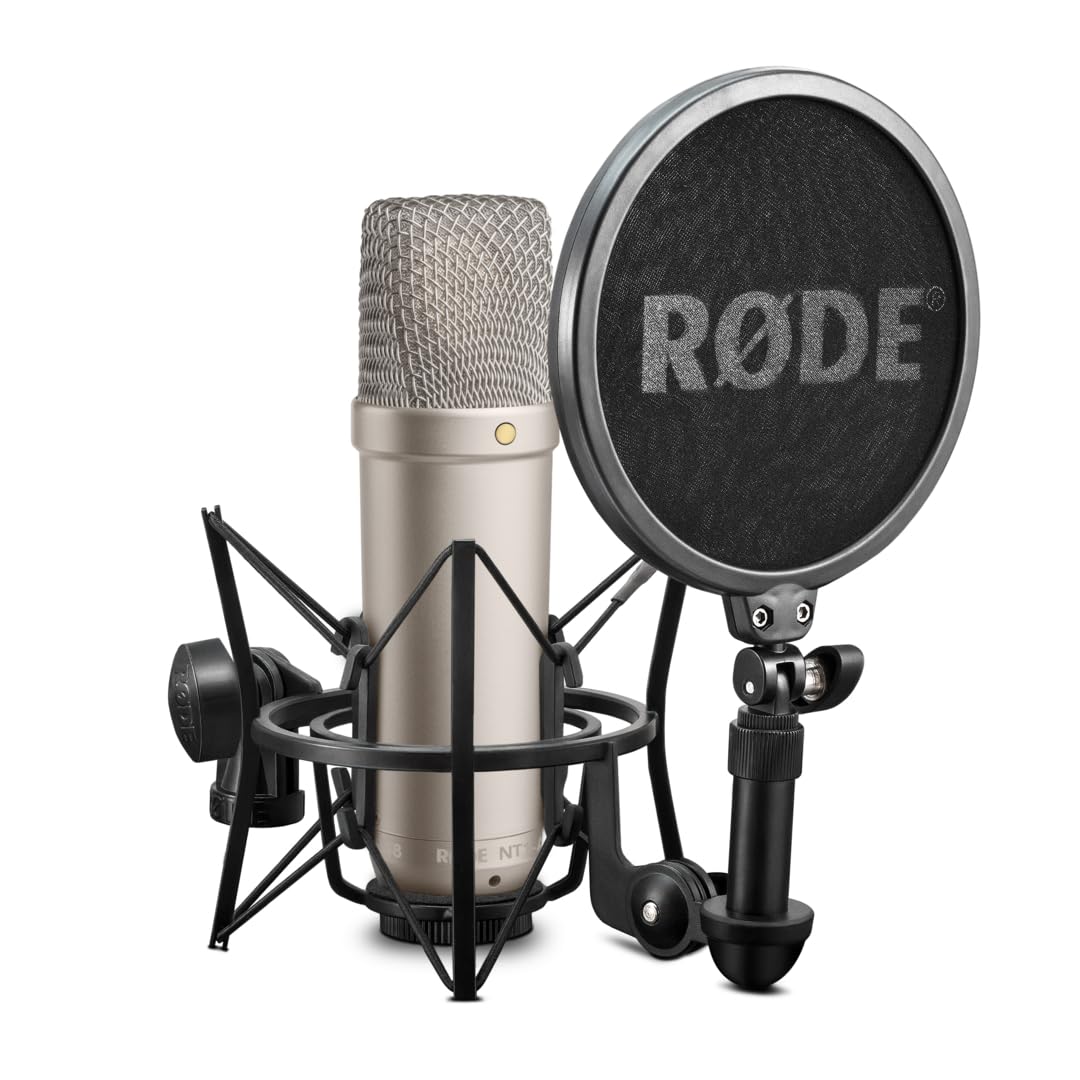
Dynamic broadcast microphones are the right call for nearly every school theater podcast. Untreated drama classrooms have hard floors, painted concrete walls, and lots of off-axis noise from costume racks and rehearsal foot traffic. Dynamic microphones reject most of that and force students into a good speaking distance habit. Avoid large-diaphragm condensers in shared theater rooms — they pick up HVAC rumble, set construction, and hallway conversation in ways that ruin episodes. For a deeper comparison of microphone classes for spoken-word work, our guide to choosing the right microphone for podcasting walks through the tradeoffs in more detail, and our essential podcasting equipment guide covers the supporting accessories.
For desk-mounted mics on theater workshop tables, boom arms beat tripod stands — they keep cables off student elbows and let hosts lean in without bumping the stand. Use 10-foot XLR cables to give yourself slack across long theater tables, and keep a spare bag of three more cables in the storage box. Pop filters are inexpensive and meaningfully reduce plosive damage on student deliveries, especially during dramatic readings of scripted segments.
Headphones and monitoring for four-host setups
The ProFX10v3 has a single headphone jack, which is not enough for four student hosts. Add a small four-channel headphone amplifier fed from the headphone output or a tape send. Pick closed-back over-ear headphones rather than earbuds — students stay focused and on-mic when their ears are covered. Volume-limited models or amplifiers with a maximum output cap are worth the extra dollars for hearing safety with rotating users who do not always know how loud is too loud. Keep a small bottle of alcohol wipes near the headphone station so hosts can clean ear pads between class periods.
Common classroom mistakes and how to prevent them
The most frequent mistake on the ProFX10v3 in a school setting is hot input gain that clips on enthusiastic students. Train hosts to look at the channel-level LED, not the main mix meter, when setting gain. The second most common mistake is leaving phantom power on a channel where someone later plugs in a ribbon-style microphone (uncommon in schools but possible if the theater department borrows gear). Make the phantom power switches part of the printed setup sheet so the default state is documented. Cable tangle is the silent killer of broadcast booth productivity — install a simple cable-management tray under the desk and color-code cables to match channel strips.
Untreated rooms also create echoey episodes that no mixer can rescue in post. A few absorption panels and a thick rug make a bigger difference than any plugin chain. Our tips for reducing echo in home studios apply directly to school theater podcast booths and are inexpensive enough for a club budget.
Sustaining the rig through a school year
Build a storage box that lives with the mixer: spare XLR cables, three pop filters, a roll of vinyl tape, alcohol wipes, the printed setup sheet, and a laminated channel-assignment chart. Wipe down faders and knob shafts with a dry brush at the end of each quarter — student hands and theater dust will gum up controls otherwise. Inspect the headphone jack and USB connector for wear at semester breaks; both are common failure points on shared mixers. If your school has a tech-club student who is genuinely enthusiastic about audio, give them ownership of the maintenance checklist — it builds a real-world skill and keeps the gear running. For a wider look at how this mixer compares to other broadcast-friendly boards, see our roundup of the best podcast mixers for seamless recording in 2026.
Frequently Asked Questions
Can the Mackie ProFX10v3 record each student host on a separate track?
No — the ProFX10v3 sends only a stereo mix over USB, not individual channels. If your school theater podcast curriculum requires per-host editing for assignments, you will need a multitrack USB mixer instead. For shows that only need a polished final mix recorded straight to one stereo file, the ProFX10v3 is sufficient and easier for student operators to learn.
Is the ProFX10v3 a good fit for a podcasting club with rotating student hosts?
Yes. The straightforward front panel, color-codable channels, and rugged steel chassis are exactly what a rotating-host program needs. With a laminated setup sheet and one trained student lead per class period, new hosts can be ready to record within their first session of the year.
Do I need phantom power for a Mackie ProFX10v3 school theater podcast rig?
Usually not. Dynamic broadcast microphones — the recommended class for school environments — do not require phantom power. The ProFX10v3 supplies +48V to channel pairs if you ever introduce a condenser microphone, but for most student-hosted shows you can leave phantom power off entirely and keep one less thing for substitute teachers to worry about.
How many student hosts can the ProFX10v3 support at once?
Four hosts with microphones, plus stereo line inputs for music, sound effects, or a remote guest feed. Four is also the practical maximum for an unscripted student conversation before the show loses focus, so the channel count is well-matched to the format and to the attention span of a typical classroom audience.
Can students record the podcast onto a school-issued Chromebook?
Yes, in most cases. The ProFX10v3 is class-compliant USB audio, so a Chromebook recognizes it without driver installation. Use a browser-based recorder or a permitted Chrome app. Confirm your district IT policy allows USB audio devices on student devices before committing to this workflow for the semester.
What is the best backup recording method during a live taping?
Run a small handheld field recorder from the control-room output to an SD card in parallel with the laptop USB capture. Two independent recordings protect the class period from a single point of failure, which is especially important when an episode features a guest speaker who is hard to reschedule.
How long should a single mixer last in a school theater podcast program?
With a printed setup sheet, a storage box, end-of-quarter cleaning, and student-led maintenance, a ProFX10v3 should comfortably run a school podcast program for five to seven years. Faders and the USB jack are the most likely first points of wear, and both are repairable by a moderately handy electronics teacher or a local tech-repair shop.
Key Takeaways
- Choosing the right Mackie ProFX10v3 school theater podcast means matching capacity and output ports to your actual devices
- Always check actual watt-hours (Wh), not just watts — runtime depends on Wh, not peak output
- Also covers: ProFX10v3 high school drama club podcast
- Also covers: Mackie ProFX10v3 student broadcast setup
- Also covers: best mixer for school podcast classroom
- Compare price-per-Wh across models to find the best value for your budget