When luxury fragrance houses commission voiceover artists to whisper the seductive copy behind a Chanel, Dior, or Tom Ford perfume ad, the microphone in the booth almost always carries a Neumann badge. The neumann tlm 103 for luxury voiceover has become the quiet workhorse behind countless prestige campaigns, prized for its silky midrange, intimate proximity effect, and uncanny ability to translate breath, sibilance, and hushed consonants into the cinematic, perfume-counter sensuality that brand directors demand. If you record perfume ads professionally, the TLM 103 delivers the polished, glossy texture that distinguishes a $40 fragrance from a $400 one.
Why Perfume Brands Specifically Reach for the TLM 103
Perfume advertising is a uniquely sonic genre. The visuals already do the heavy lifting — backlit flacons, slow-motion silk, gold particles drifting through Parisian apartments — so the voiceover must complete an atmosphere rather than narrate it. Brand directors want a voice that sounds placed inside the listener’s ear, not broadcast at them. That requires a microphone with three uncommon qualities: a flattering 5–10 kHz lift that adds ‘air’ without harshness, ultra-low self-noise so quiet breaths translate cleanly, and a capsule sensitive enough to capture the millisecond of moisture between a closed and open mouth.
The TLM 103’s K 103 capsule — derived from the legendary Neumann U 87 — delivers exactly this. Its 7 dB-A equivalent noise figure is among the quietest in any large-diaphragm condenser at its price point, meaning a voiceover artist can perform two inches from the grille at a near-whisper without revealing any electronic hiss. That headroom is what allows perfume scripts — almost always written in fragments, sighs, and trailing French words — to sit clean in a final mix without aggressive noise reduction softening the consonants.
The Sound Signature: Why Luxury Engineers Trust It
If you A/B the TLM 103 against a U 87 Ai, you will hear a slightly more forward presence peak around 8–10 kHz and a touch less weight in the low-mids. For most genres that would be a compromise; for luxury voiceover it is an upgrade. The presence lift gives sibilants a glassy, expensive quality — the difference between a model saying “J’adore” and that same phrase sounding like it was recorded inside a Bond Street boutique. The slightly tighter low end keeps the voice from competing with the lush orchestral pads or muted piano motifs that score nearly every prestige fragrance spot.
This is also why the neumann tlm 103 for luxury voiceover often outperforms more expensive ribbon options on perfume jobs. Ribbons like the Coles 4038 or AEA R44 are gorgeous on jazz vocals and cinema dialogue, but their characteristic darkness and roll-off above 12 kHz can dull the very sparkle that fragrance directors are paying for.
Setting Up the TLM 103 for a Perfume Ad Session
Most luxury voiceover sessions follow a predictable choreography, and the microphone setup needs to support it. Here is the configuration that consistently delivers usable takes on the first read.
Distance and Angle
Position the TLM 103 four to six inches from the talent, slightly off-axis — about 10 to 15 degrees pointed past the side of the mouth rather than directly at it. This off-axis trick tames plosives on words like ‘parfum’ and ‘passion’ while preserving the intimate proximity bloom that makes the voice feel close. The TLM 103’s cardioid pattern is forgiving enough that small head movements do not destroy the tone, which matters because perfume copy is often performed with subtle physical gestures.
Pop Filter Choice
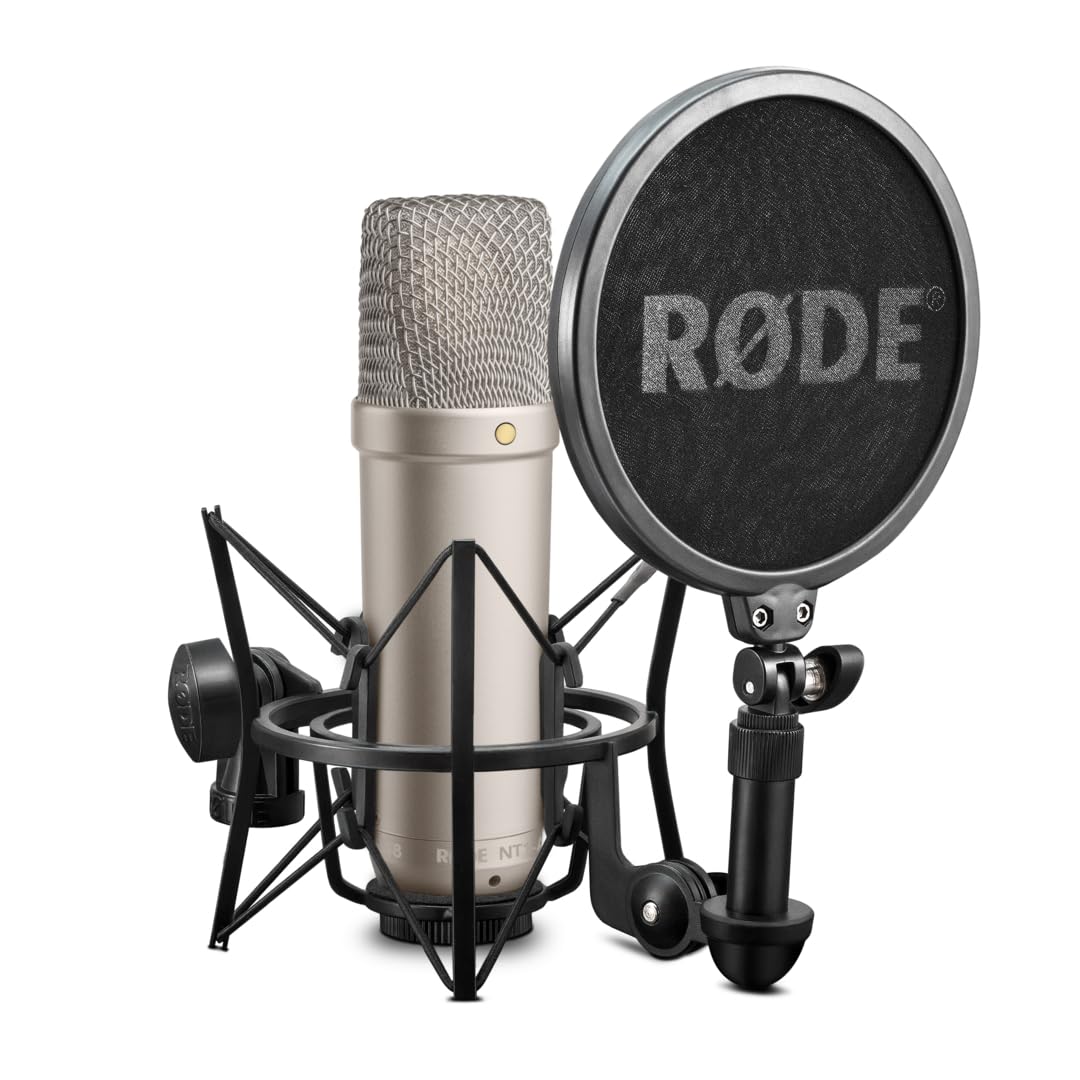
Use a thin metal mesh filter rather than a dense nylon stocking. Nylon pops are cheap and effective, but they soften the very 8–10 kHz region the TLM 103 was designed to capture. A metal mesh filter from Stedman or sE Electronics removes blasts of air without tinting the sibilance. For voiceover artists who frequently switch between English and French copy, this is non-negotiable.
Shockmount
The Neumann EA 1 elastic shockmount is the manufacturer’s match and worth the investment if you record in a converted apartment, hotel room, or any structure that transmits low-frequency rumble. Perfume mixes are mastered for high-end cinema and broadcast, so a sub-30 Hz rumble from a passing truck will be exposed on a Dolby Atmos system.
The Room: Where Most TLM 103 Owners Get It Wrong
A TLM 103 in a poorly treated room is an expensive way to record reverb. The microphone is so sensitive and so honest that any flutter echo, HVAC hum, or laminate-floor reflection becomes part of your recording. Luxury brands routinely reject takes for room artifacts that would pass on a podcast.
If you are building or upgrading a voiceover space, plan the acoustics around what the microphone actually hears. A dedicated VO booth lined with broadband absorption (mineral wool panels behind GIK or Auralex fabric wraps), an angled ceiling cloud, and a floating floor will produce takes that need almost no post-processing. For artists working out of a home setup, our soundproof home studio guide walks through the assembly order that yields the best signal-to-noise ratio for under a few thousand dollars. Pair that with the techniques in our echo reduction tips and the TLM 103 will reward you with broadcast-grade silences between phrases — the negative space that makes perfume copy land.
The Signal Chain That Flatters the TLM 103
The TLM 103 is a transformerless design, which means it presents a clean, slightly clinical signal to whatever preamp it sees. This is liberating but also a responsibility — the character of your chain will be whatever the preamp imparts. For perfume work, you want a chain that adds gloss and weight without obvious coloration.
Preamp
A Grace Design m101, Millennia HV-3, or a UA Apollo with Unison-modeled Neve 1073 emulation will all produce results that pass network broadcast standards. The Apollo’s Neve emulation is particularly popular with voiceover artists who want a touch of vintage harmonic warmth without buying a $3,500 outboard preamp. If your budget is constrained, the preamps in a Universal Audio Volt 476P or Audient iD14 MKII are clean enough that the TLM 103’s native sound comes through accurately.
Interface and Conversion
Perfume spots are typically delivered at 48 kHz / 24-bit and increasingly at 96 kHz for high-resolution streaming campaigns. Your interface needs converters that perform well at both rates. For a deeper look at options that match the TLM 103’s clarity, see our roundup of the best audio interfaces for 2026.
Outboard Compression
Light compression while tracking — 2:1 ratio, slow attack, 3–4 dB of gain reduction — preserves the dynamic delicacy of whispered copy while controlling the rare loud syllable. An LA-2A style optical compressor (hardware or software) is the traditional choice. Avoid VCA compression in the tracking chain; it tends to flatten the breath dynamics that brand directors specifically want to hear.
Performance Direction: What the TLM 103 Demands of You
The microphone is so revealing that it changes how voiceover artists perform. Three habits separate professionals from amateurs when using the neumann tlm 103 for luxury voiceover work.
First, hydration matters audibly. Dry mouth produces a clicking sound between syllables that the TLM 103 captures with forensic clarity. Most session artists drink room-temperature still water for ninety minutes before a session and keep a green apple slice handy — the malic acid neutralizes saliva foam.
Second, breathing technique becomes part of the brand identity. Perfume copy is famously breath-driven, so artists learn to take controlled, silent diaphragm breaths between phrases rather than gasping audibly. The TLM 103 will betray any short-breathed performer.
Third, energy at low volume. Whispering without losing intention is the hardest part of perfume voiceover. The TLM 103 captures the difference between a tired whisper and a focused, intimate whisper, and so does the brand director listening from Paris.
When the TLM 103 Is Not the Right Choice
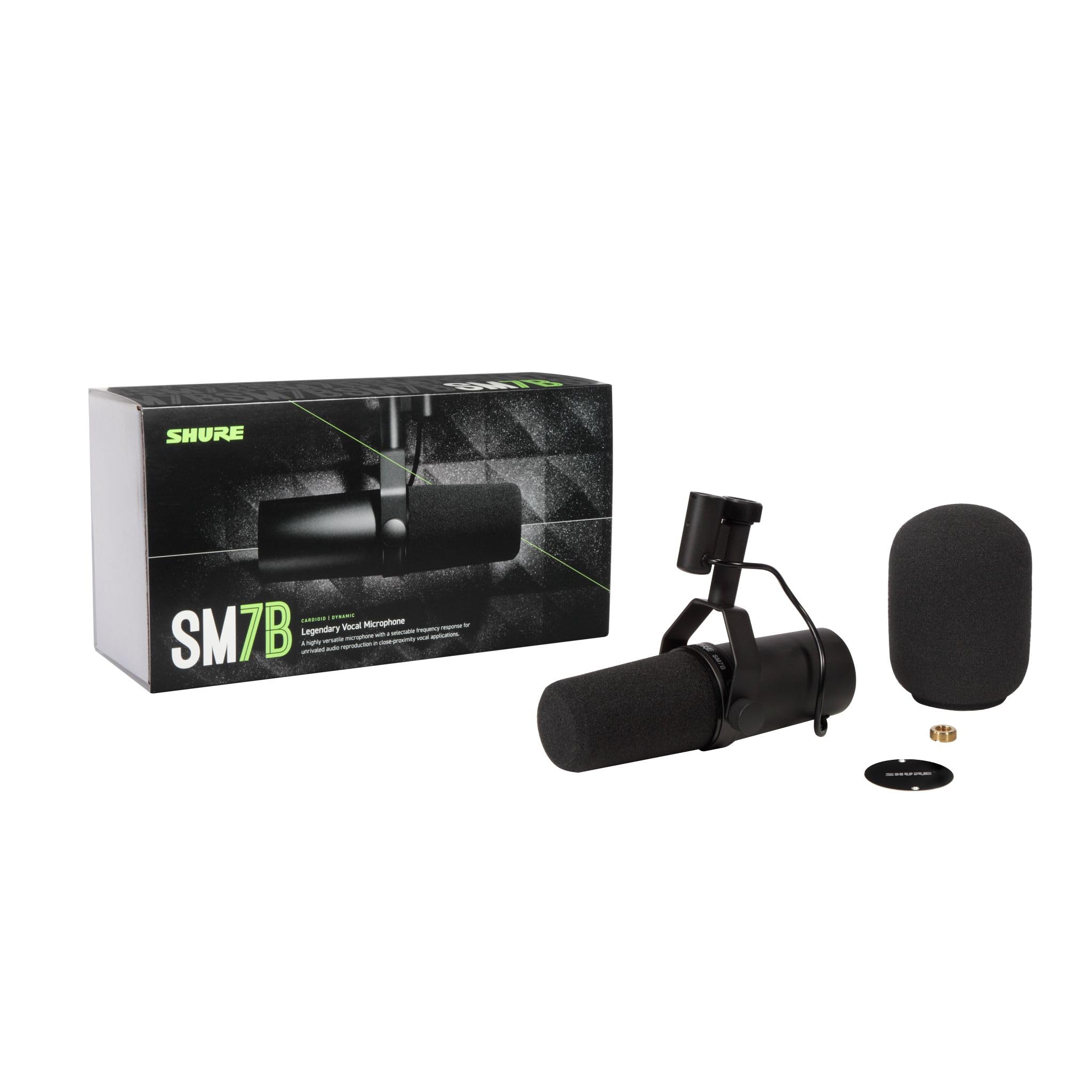
For all its strengths, the TLM 103 is not universal. If your perfume client is going for a deep, smoky, Tom Waits-style male read, a Sennheiser MD 421 or a vintage RCA 44 will give you more low-mid weight than the Neumann. If the project involves animated, exuberant copy — think a Britney Spears Curious-era spot rather than a contemporary niche perfumery — a Sony C-800G or a Telefunken U47 reissue may sit better in a dense pop arrangement. And if you record on the road, the TLM 103’s sensitivity becomes a liability in untreated hotel rooms; a Shure SM7B will travel better.
For voiceover artists building their first dedicated room, our ideal home studio setup guide for beginners covers the foundational decisions that determine whether a TLM 103 will sound like a $1,200 microphone or a $12,000 microphone.
The Investment Case
At roughly $1,200 new, the TLM 103 is not a casual purchase, but it pays back quickly for voiceover artists working at luxury rates. A single perfume campaign typically pays between $3,000 and $25,000 in usage fees depending on territories and term. Brand directors who have been burned by amateur-sounding submissions specifically request Neumann captures, and many casting platforms now allow filtering by microphone. Owning a TLM 103 expands the casting pool you qualify for — it is, in marketing terms, a signal of seriousness.
The microphone also holds value. Neumann condensers depreciate slowly; a well-maintained TLM 103 sold five years later typically returns 70–80% of its purchase price. Few studio investments hold up that well against newer technology.
Frequently Asked Questions
Is the Neumann TLM 103 better than the U 87 for perfume voiceover work?
Not better, but different. The U 87 Ai has three polar patterns and a slightly more neutral midrange that suits dialogue and music. The TLM 103 is cardioid only and has a more prominent presence lift around 8–10 kHz, which flatters whispered, breathy perfume copy. Many luxury voiceover artists own both and reach for the TLM 103 specifically when the script calls for intimacy.
What audio interface should I pair with the TLM 103 for recording perfume ads from home?
You need an interface with clean, low-noise preamps capable of supplying solid 48V phantom power and at least 60 dB of gain. The Universal Audio Apollo Twin X, Audient iD14 MKII, and RME Babyface Pro FS all qualify. Cheaper interfaces will still capture the microphone’s tone but may add hiss on quiet performances.
Can I use the TLM 103 for both perfume voiceover and singing?
Absolutely. The TLM 103 is a celebrated vocal microphone for pop and R&B production. Its presence lift that flatters perfume whispers also flatters lead vocals in dense mixes. Many Grammy-winning vocals were tracked through TLM 103s.
How do I prevent sibilance issues with the TLM 103 on French perfume scripts?
French copy contains more sibilant consonants than English due to soft ‘s’ and ‘ch’ sounds. Position the microphone slightly off-axis (10–15 degrees past the mouth), use a metal mesh pop filter, and apply gentle de-essing in post around 6–8 kHz. Avoid heavy de-essing, which dulls the very brightness perfume brands want.
Does the TLM 103 need a high-end preamp to sound expensive?
No, but it benefits from one. The TLM 103 sounds excellent through clean modern interface preamps. A boutique preamp like a Grace m101 or Neve 1073 adds harmonic character that some clients prefer, but the microphone itself is the dominant tone-maker in the chain.
What headphones should voiceover artists use for monitoring TLM 103 sessions?
Closed-back, isolating headphones with a neutral frequency response let you hear what the microphone is actually capturing. The Sony MDR-7506, Beyerdynamic DT 770 Pro, and Audeze LCD-X (for self-engineering artists) are common choices. Avoid bass-heavy consumer headphones, which mask room rumble that the TLM 103 will faithfully record.
Is a TLM 103 worth it for voiceover artists just starting in luxury markets?
If you are auditioning for prestige fragrance, fashion, and jewelry campaigns, yes. Casting directors increasingly listen for the Neumann signature and reject submissions that sound recorded on entry-level microphones. The TLM 103 is the most affordable entry point into that sonic tier and pays for itself within one or two bookings.
Key Takeaways
- Choosing the right neumann tlm 103 for luxury voiceover means matching capacity and output ports to your actual devices
- Always check actual watt-hours (Wh), not just watts — runtime depends on Wh, not peak output
- Also covers: tlm 103 perfume commercial mic
- Also covers: high-end mic for premium brand vo
- Also covers: neumann tlm 103 silky voice review
- Compare price-per-Wh across models to find the best value for your budget