If you record long-form fiction or memoir at home, the rode nt1 5th gen voice actor audiobook narration workflow gives you broadcast-clean dialogue without the hiss that ruins hours of takes. The 5th generation NT1 pairs a large-diaphragm condenser capsule with a built-in 32-bit float A/D converter, so whispered passages and dramatic peaks survive in the same file without clipping or noise-floor problems. For narrators chasing ACX delivery specs in 2026, that combination of roughly 4 dBA self-noise and forgiving headroom is the single biggest upgrade most home booths can make this year.
This guide walks through why the microphone fits narration specifically, how to build the rest of the signal chain around it, and the room treatment, placement, and editing habits that separate a hobbyist read from a publish-ready audiobook master. No upsell, no fluff — just the workflow narrators actually need.
Why the NT1 5th Gen Fits Long-Form Narration
Audiobook work is unusual among voice jobs. A podcast episode might be 30 minutes; an audiobook chapter is often that long, and the full project can stretch past 12 hours of usable audio. That means three things matter more than they would for streaming or short-form commercial work: self-noise, consistency across sessions, and quiet handling of dynamic range.
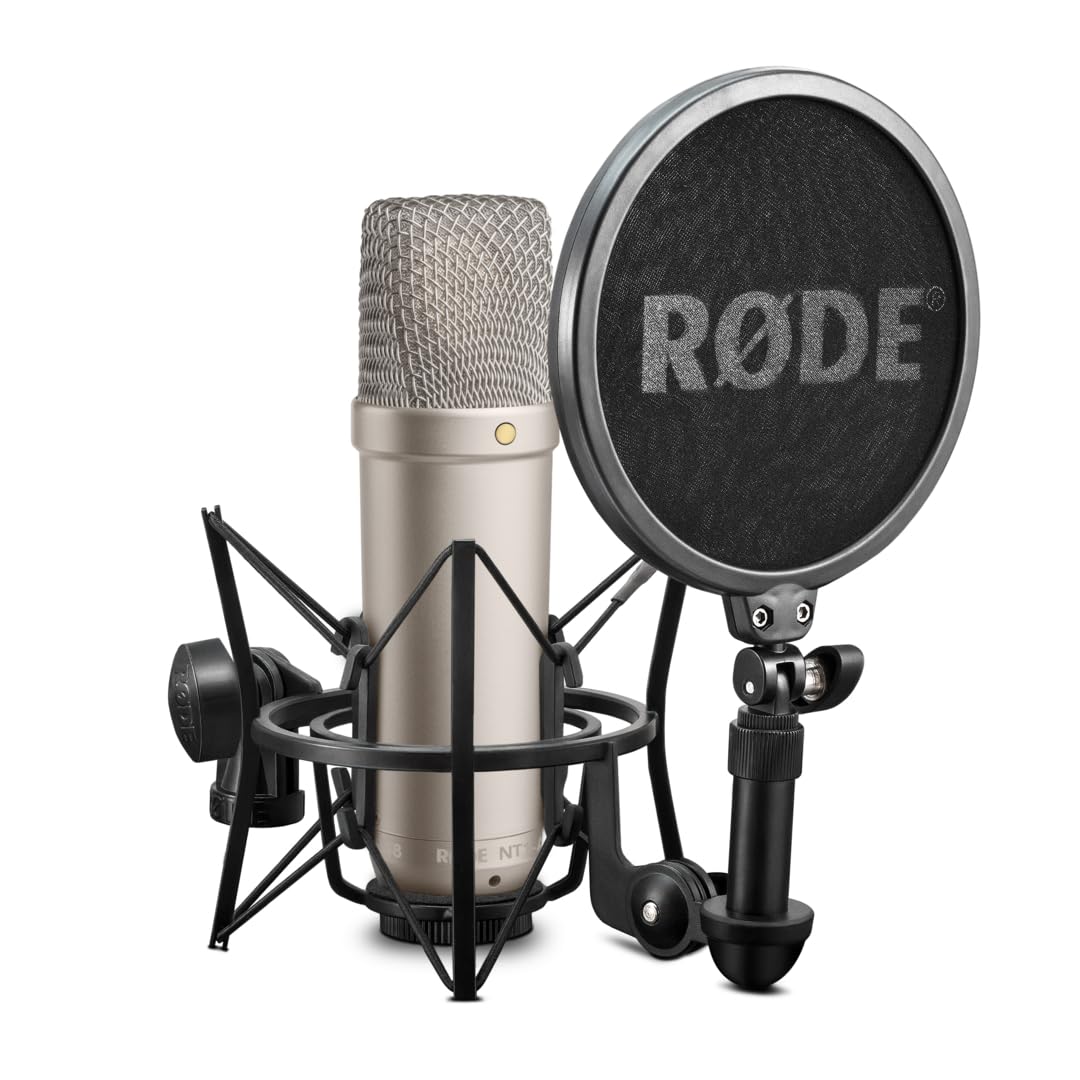
The NT1 5th Gen earns its place here for three reasons. First, the capsule’s self-noise sits around 4 dBA — quieter than most rooms a home narrator can build, which means the mic effectively disappears beneath the natural noise floor of the booth itself. Second, the dual XLR/USB output means you can run it into a traditional interface for one project and straight into a laptop for travel sessions without changing your tonal signature. Third, the integrated 32-bit float converter on the USB side gives you mathematical immunity from clipping during loud emotional beats, which is exactly when a narrator’s focus should be on performance rather than gain riding.
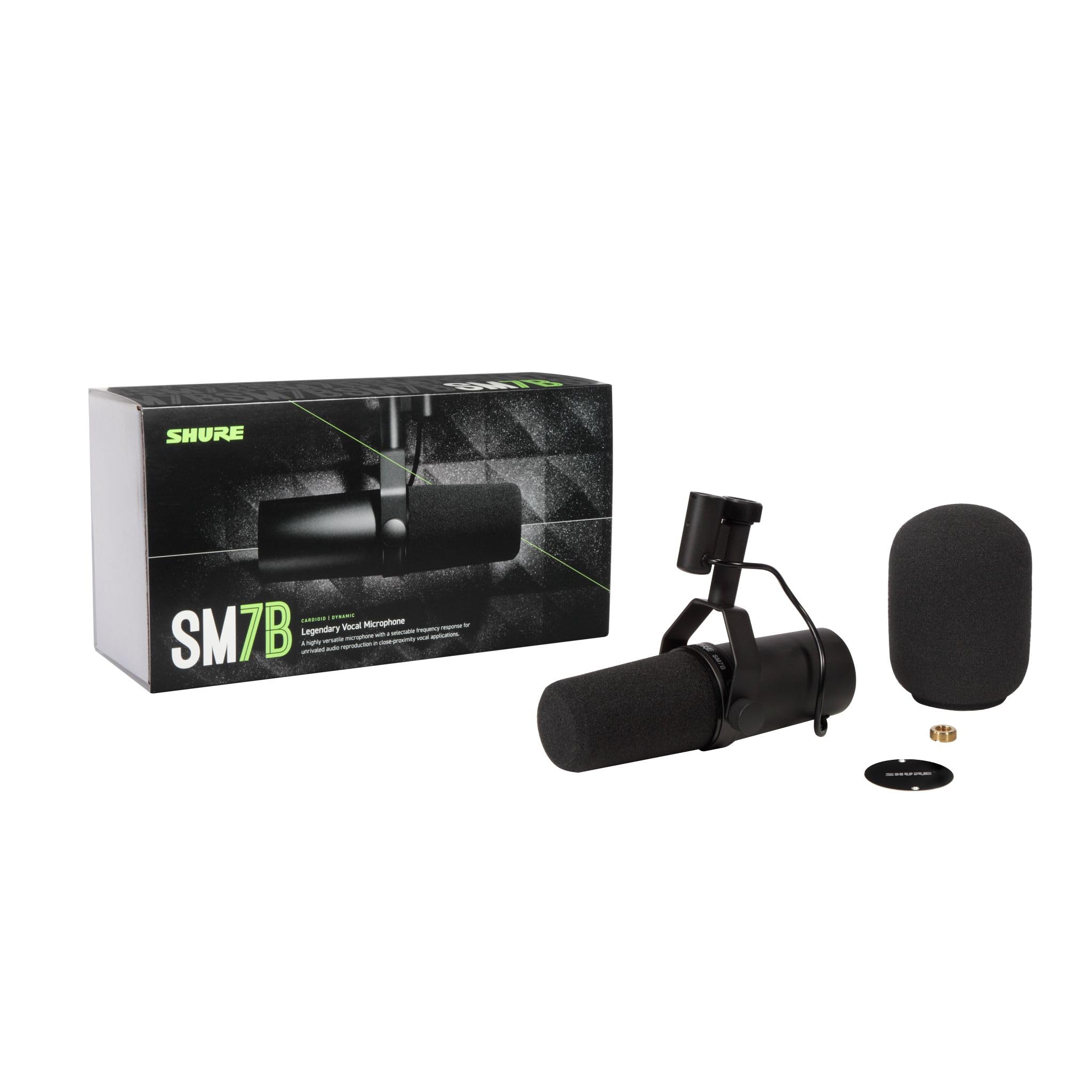
For a fuller head-to-head against the other obvious narration mic, see our Shure SM7B vs Rode NT1 comparison, which digs into why dynamic mics behave differently in untreated rooms.
ACX Delivery Specs and How the NT1 5th Gen Helps
Audible’s ACX submission standards are the de facto floor for English-language audiobook publishing. A delivered chapter must sit between -23 dB and -18 dB RMS, peak no higher than -3 dB, and — the hardest one for home recordists — show a noise floor of -60 dB or quieter. Most rejections happen at that third requirement, not the first two.
The rode nt1 5th gen voice actor audiobook narration setup makes the noise floor target realistic because the mic itself contributes almost nothing measurable. The remaining noise you fight is room reflections, HVAC, computer fans, and street rumble — problems you can solve with treatment rather than gear. When you pair the mic with a low-noise preamp and a quiet booth, hitting -65 to -70 dB noise floor on the unprocessed file is achievable, which leaves comfortable headroom after light noise reduction.
Building the Booth Around the Mic
A condenser this sensitive rewards a treated room and punishes a bad one. The capsule will faithfully reproduce the dryer running two rooms away, the laptop fan, and the slap-back off a bare wall behind your monitor. Before you spend another dollar on gear, spend it on absorption.
The basics: kill the first reflection points (the spots on the side walls and ceiling where a mirror would show your mic from the reader position), put thick absorption directly behind the mic to soak up the rear lobe’s pickup of your own voice bouncing back, and break up the wall behind your face with either a thick panel or a vocal reflection filter. For a complete walk-through, the soundproof home studio guide covers isolation versus absorption (they’re different problems), and the reduce echo tips piece focuses on the early reflections that make narration sound “roomy” on playback.
Two cheap wins most narrators miss: a thick rug under the chair, and a heavy blanket draped behind the monitor or laptop. Hard surfaces in front of the mic re-radiate your voice back into the capsule with a 5–15 ms delay, which the ear hears as boxiness even when the room sounds “dead” while you’re reading.
The Signal Chain for Narration
The NT1 5th Gen gives you two paths. The USB output bypasses an external interface entirely, runs into your DAW with 32-bit float, and includes onboard DSP for high-pass filtering, compression, and noise gating. The XLR output behaves like a traditional studio condenser and needs phantom power from an interface or preamp.
For audiobook work specifically, the choice comes down to how you edit. If you punch in heavily and want zero risk of clipping during a re-take, the USB path with 32-bit float is genuinely game-changing — you cannot ruin a take with bad gain staging. If you’re building a longer-term setup with multiple mics, monitor outputs, and outboard processing, the XLR path slots into a standard interface workflow. Our best audio interfaces of 2026 guide covers the units that pair cleanly with the NT1, with attention to preamp self-noise — the spec that actually matters for narration.
One detail that surprises new narrators: phantom power preamp noise often dominates the noise floor before the room does. A budget interface might publish a 128 dB equivalent input noise figure that sounds great until you realize that’s with a max-gain trim setting most narrators never use. At the 30–40 dB of gain a chest-voice narration requires from the NT1, almost any modern interface is quiet enough.
Mic Placement for Audiobook Reads
Distance is the single biggest variable you control, and most home narrators stand too close. The NT1 5th Gen is a cardioid large-diaphragm condenser, which means proximity effect — the bass boost that kicks in as you move closer than about 6 inches. For a podcast that’s often flattering. For an audiobook, where you’ll listen for hours, that low-end thickness becomes fatiguing and masks consonant detail.
Start at 8–10 inches, with the capsule slightly above mouth height and angled down toward your upper lip. Use a pop filter 2 inches in front of the capsule, not against it — the filter is for plosives, not as a distance gauge. Speak across the front grille at a 10–15 degree angle rather than straight on; that reduces sibilance without thinning the body of your voice. Mark the floor with tape so you return to the same spot after every break, because a 2-inch shift between sessions is audible in a final master.
Headphones, Monitoring, and Editing
Closed-back headphones are non-negotiable for narration. You need to hear your own voice in real time without bleed into the mic, and you need to spot mouth noise, page turns, and rustle while you’re still in the booth rather than discovering them in editing six hours later. Our best studio headphones for recording in 2026 roundup focuses specifically on tracking headphones, which is what you want here — not the open-back mixing headphones that leak audio back into the capsule.
Set monitoring level low enough that you can hear yourself in the room as well as in the cans. Narrators who crank the headphone mix tend to under-project, which then needs to be compressed back up in post and brings the noise floor with it. A gentle headphone level encourages you to perform the way the listener will hear you.
Common Mistakes That Sink Audiobook Submissions
After watching narrators move through this gear, four problems show up over and over.
Over-processing the master. A clean NT1 capture needs almost nothing — a low-cut at 80 Hz, gentle compression at 2:1 to even out dynamics, light de-essing if your S’s spike, and that’s it. Heavy EQ and noise reduction destroy the natural voice quality that publishers buy you for.
Ignoring room tone. Always record 30 seconds of silence at the start of every session, before the first word. That silence becomes the splice material your editor (or you) will use to bridge cuts. Without it, every edit creates a sudden noise-floor shift the ear catches immediately.
Inconsistent positioning. A chapter recorded today and a re-take next week need to sound continuous. If your mouth-to-mic distance shifts by an inch, the bass response and room reflection mix shift with it, and listeners hear “the narrator moved” even if they can’t name what changed.
Editing on consumer headphones. Mouth noise that’s inaudible on AirPods will be obvious on a listener’s car speakers. Monitor on something flat and revealing while editing, even if you tracked on something more comfortable.
How the NT1 5th Gen Holds Up Over a Full Project
An average audiobook runs 100,000 words, which translates to roughly 11–13 hours of finished audio and 25–35 hours of raw recording across multiple sessions. The mic you pick has to behave identically on session one and session 30. That’s a quiet endorsement of the NT1 5th Gen — the capsule and electronics are stable, the shock mount included with the kit isolates desk thumps well, and the included pop filter is good enough that you don’t need to immediately replace it.
The one part of the system that does drift over a long project is you. Voice condition changes between morning and evening reads, hydration affects mouth-click frequency, and posture shifts the height of your mouth relative to the capsule. None of those are the mic’s fault, but a tape mark on the floor and a fixed time-of-day for sessions go further than any gear upgrade in keeping a long project sonically consistent.
Final Thoughts Before You Buy
The rode nt1 5th gen voice actor audiobook narration package is a strong default for anyone serious about ACX-ready home delivery in 2026. It’s quiet, it’s flexible across USB and XLR workflows, and it doesn’t demand a custom signal chain to sound professional. Spend the saved money on absorption panels, a reliable pop filter, and closed-back tracking headphones, and you’ll be delivering masters that pass technical QC the first time.
Frequently Asked Questions
Is the Rode NT1 5th Gen good enough for ACX audiobook submission?
Yes, in a treated room. The mic’s self-noise is well below the -60 dB noise floor ACX requires, so the limiting factor becomes your room rather than the capsule. Most rejections at this price point are room reflections and HVAC bleed, not the microphone itself. Add absorption at first reflection points and behind the mic before blaming the gear.
Should a voice actor use the USB or XLR output of the NT1 5th Gen for audiobook work?
Use USB if you want zero gain-staging risk and a minimal setup — the 32-bit float output cannot clip in software. Use XLR if you already own a clean interface or plan to add outboard processing. Both paths deliver the same capsule sound; the difference is workflow and editing flexibility.
How far should I sit from the NT1 5th Gen when narrating?
Eight to ten inches is the standard for audiobook reads. Closer adds proximity bass that becomes fatiguing over a multi-hour listen; farther picks up more room reflection. Mark the floor with tape so you return to the same distance every session — consistency matters more than the exact number.
Do I need an audio interface if I use the NT1 5th Gen over USB?
No. The USB output handles A/D conversion, phantom power, and headphone monitoring on its own. An interface becomes worthwhile if you add a second mic, want hardware DSP, or plan to integrate the setup into a larger studio. For solo narration, plugging straight into a laptop is a valid path.
What headphones work best for audiobook narration with this mic?
Closed-back tracking headphones with minimal bleed. You want to hear your voice in real time without leakage returning to the capsule, and you want to catch mouth noise while still in the booth. Open-back mixing headphones are wrong for the tracking stage even though they’re great for editing.
How do I get a quieter noise floor without buying more gear?
Turn off anything with a fan in the same room — computer towers, dehumidifiers, HVAC. Record during a quiet time of day. Move the mic away from any hard surface, including the desk. Add a heavy blanket behind the mic. These free changes routinely drop the noise floor by 10–15 dB, which is more than any gear swap delivers.
Can I record a whole audiobook on the NT1 5th Gen without upgrading later?
Yes. Many published narrators work with mics in this class for entire careers. The ceiling on home audiobook quality is almost always the room and the performance, not the microphone. Once you’ve passed ACX QC consistently, gear upgrades return diminishing value compared with treatment, technique, and editing skill.
Key Takeaways
- Choosing the right rode nt1 5th gen voice actor audiobook narration means matching capacity and output ports to your actual devices
- Always check actual watt-hours (Wh), not just watts — runtime depends on Wh, not peak output
- Also covers: nt1 5th gen audiobook ACX
- Also covers: rode nt1 v5 voice over
- Also covers: nt1 5th gen narrator condenser
- Compare price-per-Wh across models to find the best value for your budget