For male narrators with deep voices crafting sleep meditation content, the Rode Procaster deep voice sleep meditation combination is one of the most repeatable, broadcast-quality setups you can build at home in 2026. The Procaster is a large-diaphragm dynamic microphone tuned around the human voice—specifically the lower midrange where chest-resonant baritones and basses live. It rejects room reflections, ignores HVAC rumble, and stays quiet when your gain is cranked for whisper-level delivery. Pair it with a clean preamp and a treated corner of your bedroom, and you have a microphone that turns slow, soft, sub-100 Hz narration into the warm, blanket-like audio that sleep listeners actually drift off to.
This guide walks through why the Procaster suits deep-voiced sleep meditation work, how to gain-stage it for near-whisper delivery, how to treat your room so breathy content stays intimate rather than echoey, and the supporting gear that completes the chain. It is written for solo male narrators recording from a home bedroom or office, not for studios with isolation booths.
Why a dynamic broadcast mic suits deep-voice sleep narration
Sleep meditation is a strange recording job. You are speaking slower than normal speech, often below 70 decibels at the lips, with long exhales, soft consonants, and frequent pauses. A condenser microphone—the kind most podcasters reach for—captures all of that beautifully, but it also captures every refrigerator hum, every passing car, every creak of your office chair, and every reflection bouncing off your bedroom drywall. For an audience that is, by definition, lying in a quiet room with headphones at low volume, those artifacts become impossible to ignore.
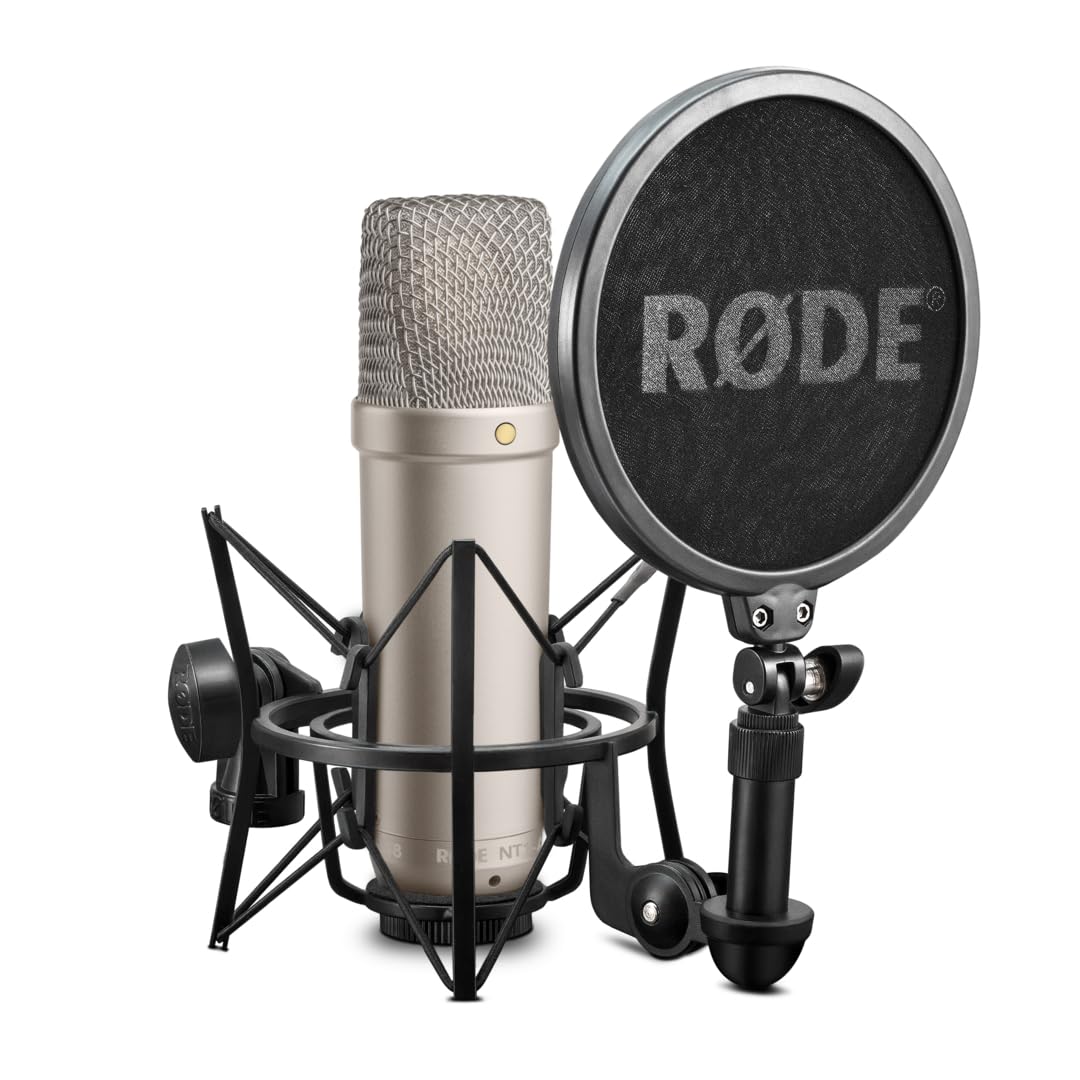
The Rode Procaster sidesteps this problem with a tight cardioid pickup pattern, a moving-coil capsule, and a built-in pop filter. It hears what is two to six inches in front of it and shrugs off almost everything else. That trait matters double for deep-voiced narrators because the low-frequency energy in a baritone voice excites room modes—the standing waves that make untreated rooms sound boxy. A dynamic capsule rejects the reflected portion of those modes far better than a side-address condenser, so your finished track sounds like it was recorded in a much more expensive space than it actually was.
The Procaster's tonal character with low male voices
The Procaster has a gentle presence lift around 5–8 kHz and a controlled low-mid response that thickens voices in the 100–250 Hz region without becoming muddy. For a tenor or bright baritone, that low-mid bump can occasionally feel too rich and needs a small EQ cut. For a deep baritone or bass narrator working close to the capsule, however, that warmth is exactly the “duvet” quality sleep audiences associate with ASMR-adjacent meditation tracks.
Proximity effect—the bass boost that occurs when you speak close to any cardioid mic—is your friend here. At one to two inches off the foam windscreen, a deep voice will pick up an additional 4–8 dB of energy below 200 Hz, which translates to that chest-cavity rumble listeners describe as “feeling” the words as much as hearing them. The Procaster handles that proximity boost without distorting, and its internal pop filter prevents plosives from overloading the capsule even when you are practically touching it.
Gain staging for whisper-soft delivery
The single biggest technical challenge of the rode procaster deep voice sleep meditation workflow is gain. Dynamic mics like the Procaster have a relatively low output level—roughly −56 dBV—which means you need a preamp capable of delivering 60 dB or more of clean gain to bring whisper-level narration up to a usable recording level. Cheap audio interfaces fall apart at that range; their preamps add an audible hiss that is louder than the breath sounds you are trying to capture.
You have two reliable paths. The first is to choose an interface with high-headroom preamps that stay quiet above 55 dB of gain. The second is to add an inline preamp—a small device that sits between the mic and the interface, providing 25–30 dB of clean boost before the signal ever hits your interface’s circuitry. For sleep meditation work the inline preamp approach is almost always worth the extra cost because it pushes your noise floor below the threshold of audibility on consumer earbuds, which is where most of your listeners will be.
Aim for peaks in the −12 to −9 dBFS range during your loudest invocations (“take a deep breath in…”) and let the quieter passages float around −24 dBFS. That leaves you headroom for compression in post without ever pushing the signal into the noisy basement of your interface.
Room treatment for breathy, intimate narration
The Procaster forgives a lot, but it cannot rescue a room with hardwood floors, large windows, and parallel drywall. For sleep meditation specifically, you need the recording to sound as if the narrator is whispering directly into the listener’s ear—any sense of “room” ruins the illusion of intimacy.
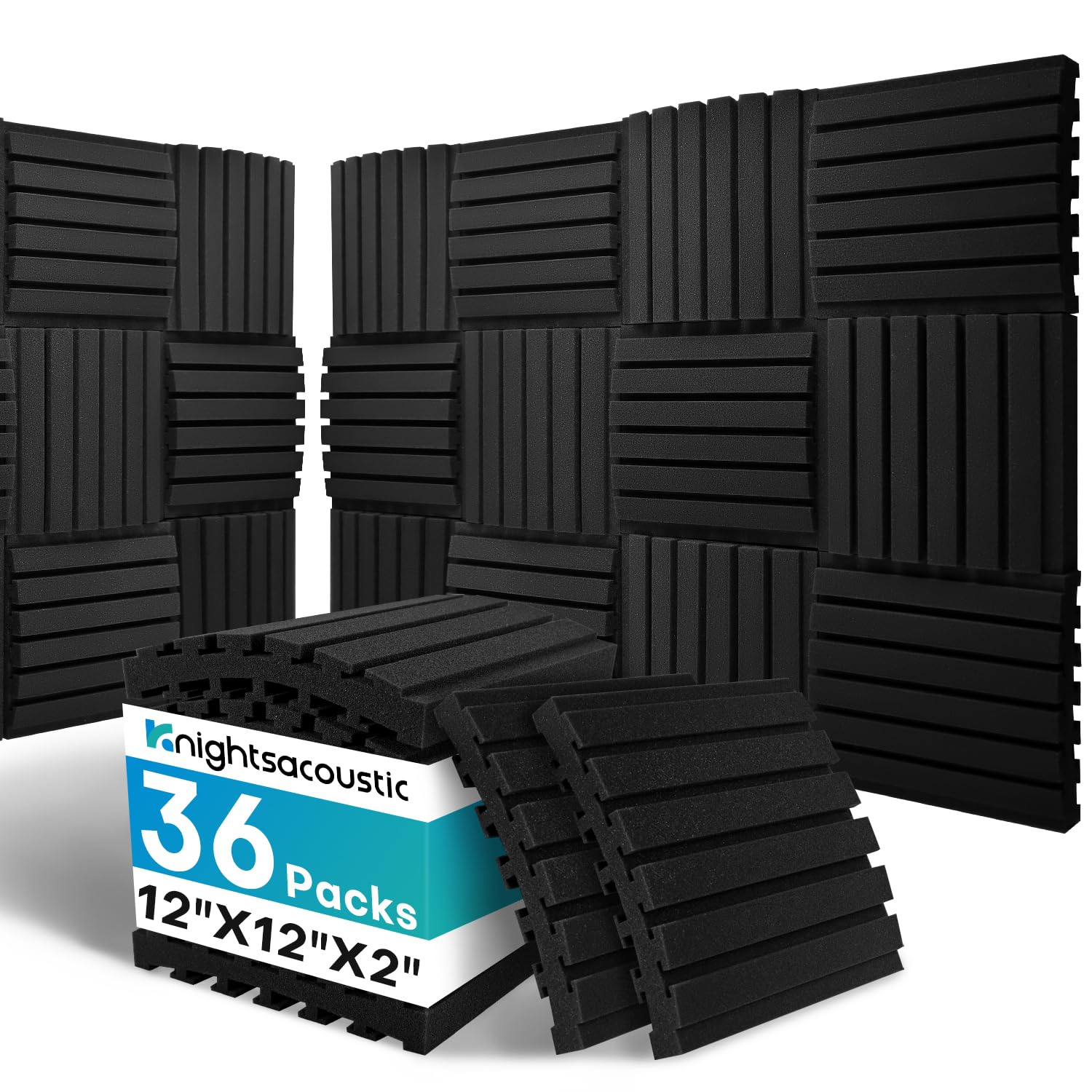
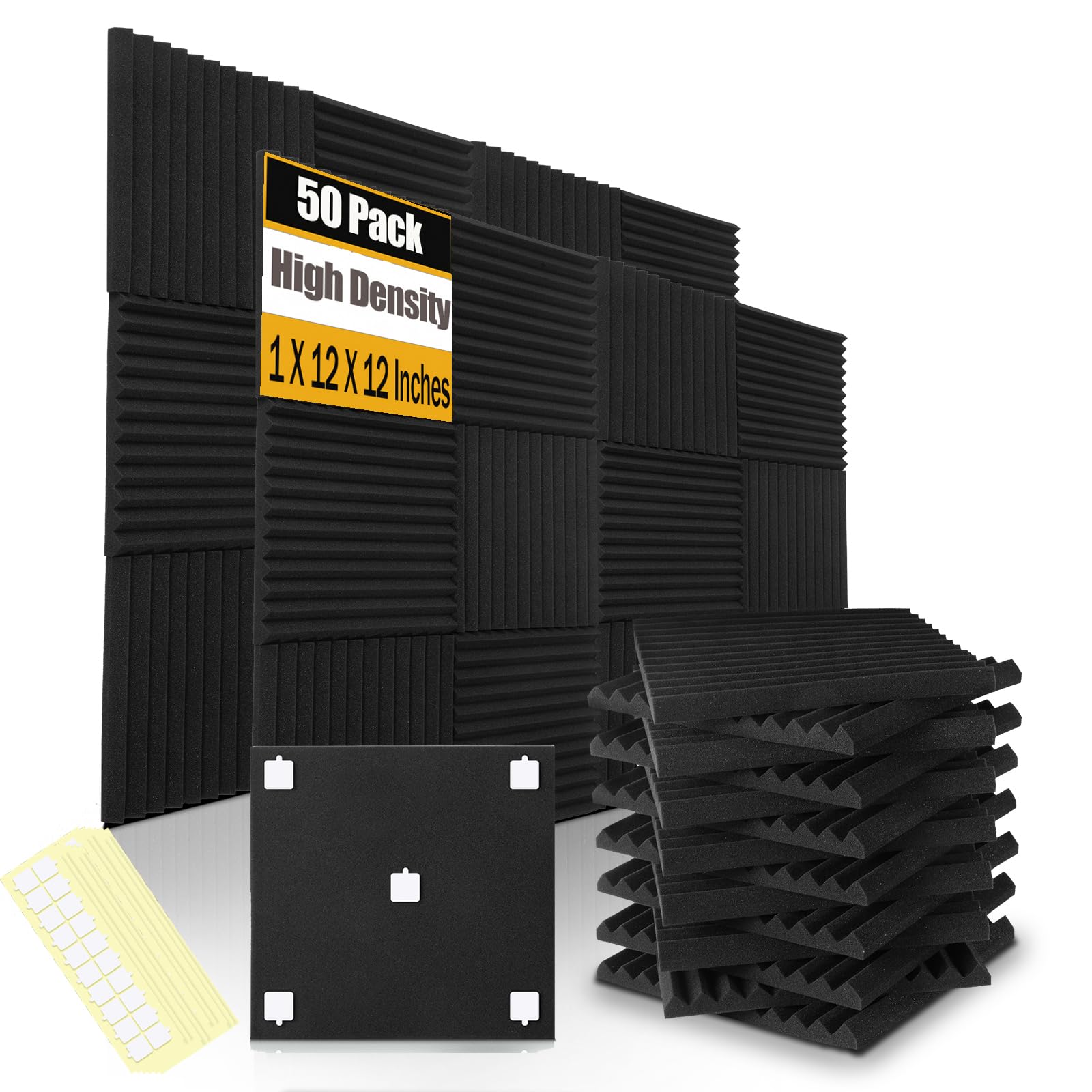
Three low-cost interventions cover 80% of the problem. First, hang a heavy moving blanket or acoustic blanket directly behind your speaking position—not behind the mic—because that is where the rear lobe of even a cardioid mic picks up the most reflected energy. Second, place broadband absorption (a thick duvet draped over a clothes rack works in a pinch) on the wall in front of you, two to three feet behind the microphone. Third, kill the floor reflection with a rug. If you can, build a small reflection filter by hanging blankets in a U-shape around the mic. For more permanent solutions, see our guide on the soundproof home studio build process and our tips for reducing echo in a home studio.
Recommended signal chain
For deep-voice sleep narration with the Procaster, the chain that gets cited most often by working voice talent looks like this:
- Microphone: Rode Procaster with the included foam windscreen, mounted in a shockmount on a heavy boom arm. The shockmount matters—you will hear your own elbow taps on the desk otherwise.
- Inline preamp: A clean +25 dB booster between mic and interface. Sleep meditation is the one application where this is almost non-negotiable.
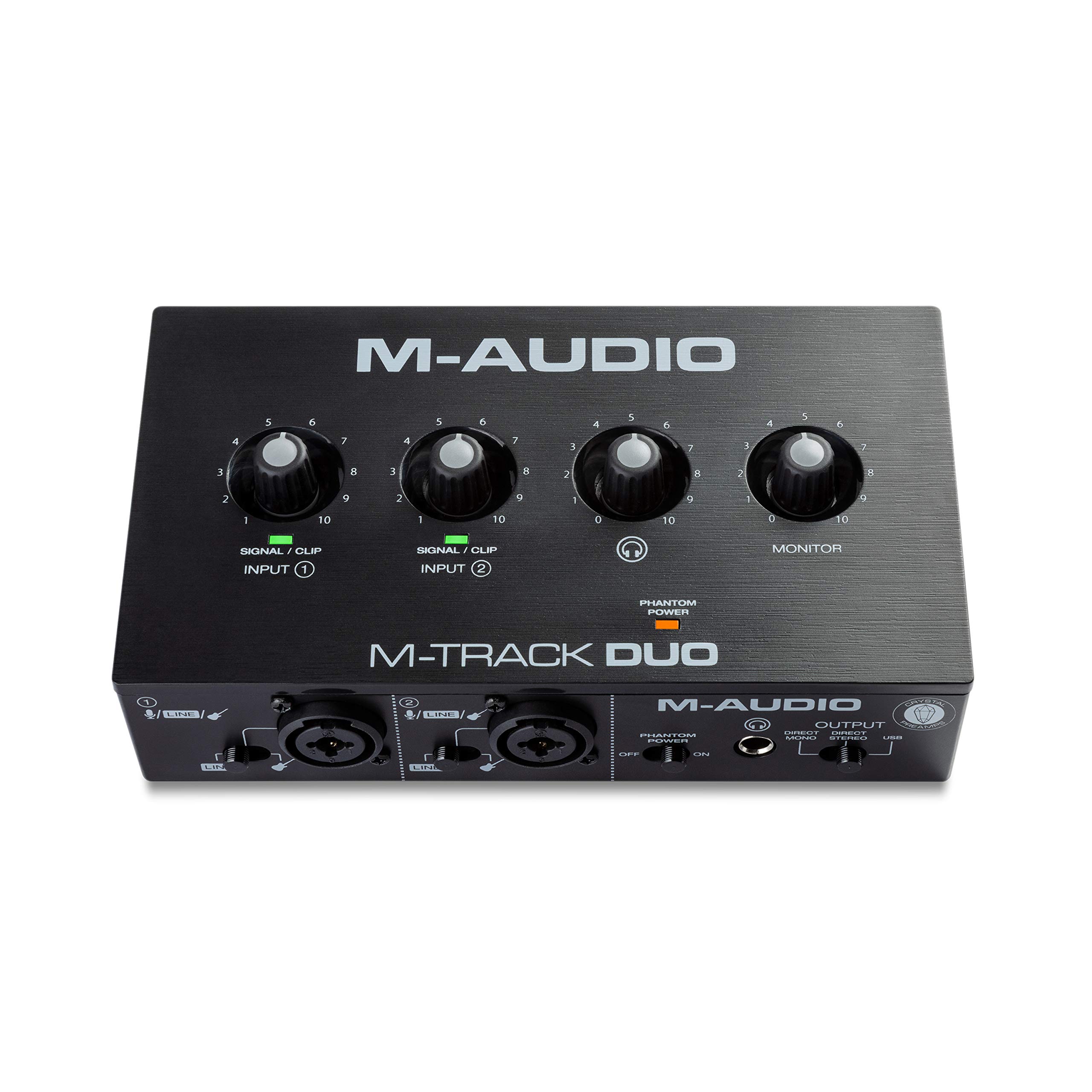
- Audio interface: Any modern unit with high-headroom preamps. Browse the current crop in our roundup of best audio interfaces 2026.
- Headphones: Closed-back monitoring headphones to catch breath noise and lip clicks while tracking.
- DAW: Anything that supports 24-bit/48 kHz recording. Reaper, Audacity, Logic, and Pro Tools are all fine.
Mic technique specific to sleep content
Distance and angle change the Procaster’s character more than any EQ plugin will. For sleep meditation, settle on a position roughly two inches from the foam pop screen, with the capsule angled about 15 degrees off-axis from your mouth. Off-axis placement softens sibilance (the “ess” sounds) and de-emphasizes the harder plosives that creep in even with a built-in pop filter. Speak across the mic, not into it.
Slow your pace deliberately—around 110 words per minute is the sweet spot for sleep content, compared with 160 wpm for a typical podcast. Take longer breaths than feel natural, and do not edit out every inhale. The audible breath is part of the meditative pacing; listeners use it to time their own breathing. The Procaster captures those breaths cleanly without making them feel wet or close-up in an uncomfortable way.
Post-processing approach
Less is more. A typical chain for deep-voice sleep narration recorded on a Procaster looks like:
- High-pass filter at 60–70 Hz to remove any subsonic rumble from the room without robbing the voice of body.
- Gentle de-essing centered around 6–8 kHz with a 2–3 dB reduction. Sleep listeners are especially sensitive to sibilance because they often listen on earbuds while lying still.
- Slow compression—a 2:1 ratio with a slow attack (around 30 ms) and a long release (around 300 ms). The goal is to even out the dynamic differences between whispered passages and full-voice instructions without flattening the natural breath dynamics.
- Subtle low-shelf boost of 1–2 dB below 150 Hz if you want to emphasize the duvet warmth, or a cut of 2–3 dB at 250–350 Hz if the room is contributing boxiness.
- Loudness normalization to −16 LUFS integrated for Spotify, −18 LUFS for dedicated sleep apps like Calm or Insight Timer. Sleep meditation tracks should be quieter than music or talk content because listeners do not want to reach for a volume knob in bed.
How the Procaster compares with other dynamics for this use case
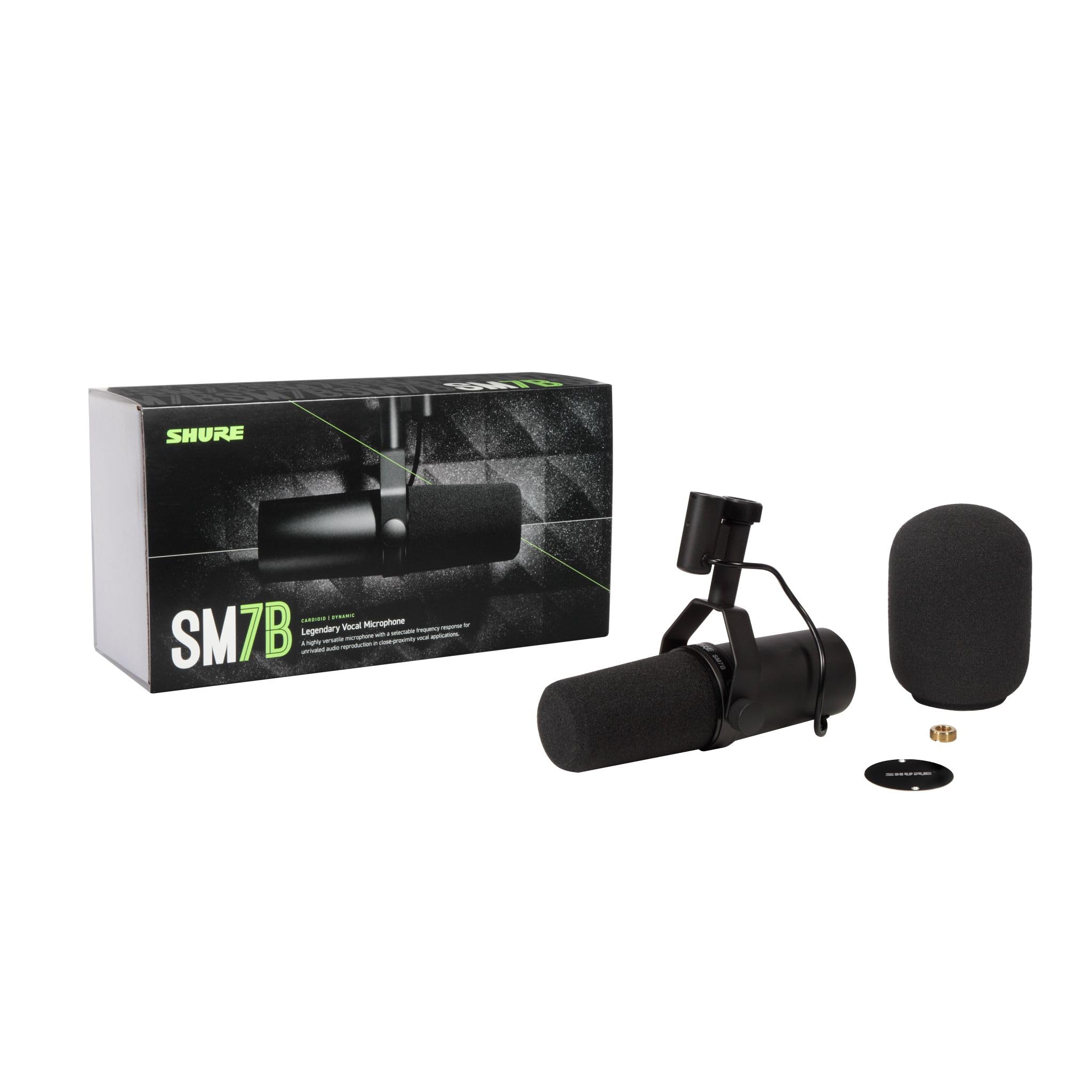
The two microphones most often cross-shopped with the Procaster for deep-voice narration are the Shure SM7B and the Electro-Voice RE20. The SM7B has a slightly flatter low-mid response and a more modern presence lift, which makes it the safer choice for narrators who also produce podcasts or YouTube voiceover work. The RE20 has Variable-D technology that minimizes proximity effect, which is actually a downside for sleep meditation because you want that proximity warmth.
The Procaster sits in a sweet spot: it costs noticeably less than either competitor, it leans warmer than the SM7B (great for sleep, occasionally too warm for high-energy podcasting), and it requires less gain than the SM7B—still demanding, but more manageable on mid-tier interfaces. For dedicated sleep meditation work specifically, many narrators argue the Procaster is the better choice. For mixed-use studios, the conversation gets more nuanced—see our Shure SM7B vs Rode NT1 comparison for adjacent considerations.
Common mistakes that ruin sleep meditation tracks
Even with the right mic, a handful of recurring errors show up in submissions from new narrators:
- Recording too loud. Sleep tracks need a lower target loudness than spoken-word podcasts. Hot tracks startle listeners awake.
- Over-editing breaths. Removing every inhale produces an unnatural, almost robotic feel. Keep the breaths; just trim the longest ones.
- Heavy reverb. Adding artificial reverb to “sound more spacious” works against intimacy. Sleep content wants the voice close.
- Untreated rooms with condenser mics. The temptation to use a bright condenser for “detail” almost always backfires when the room is not treated. The Procaster is more forgiving.
- Ignoring the noise floor. Test your full chain by recording 30 seconds of silence and listening with headphones at high volume. Any audible hiss at that gain setting will be audible to a quiet bedroom listener too.
For a broader walkthrough of improving the perceived quality of a bedroom recording, see our guide to improving audio quality in home studios.
Frequently Asked Questions
Is the Rode Procaster good for deep male voices recording sleep meditations?
Yes. The Procaster’s low-mid warmth, tight cardioid pattern, and built-in pop filter combine to flatter deep baritone and bass narrators while rejecting room noise. For the rode procaster deep voice sleep meditation use case specifically, it is one of the most cost-effective broadcast-grade options on the market.
Do I need an inline preamp like a Cloudlifter to use the Procaster for whispered narration?
Strongly recommended. Whispered or near-whispered sleep narration sits 15–20 dB below normal speaking volume, so you need at least 55–60 dB of clean gain from your preamp. Most consumer interfaces produce audible hiss above 50 dB. A +25 dB inline preamp keeps your interface in its quiet sweet spot.
Can I use the Rode Procaster without acoustic treatment in my bedroom?
You can, and it will sound better than almost any condenser mic in the same untreated room. But for finished sleep meditation tracks you still want some basic absorption—a moving blanket behind your speaking position and a rug on the floor will eliminate most of the audible room signature.
What gain setting on an audio interface works for the Procaster with a deep voice?
Without an inline preamp, expect to run your interface preamp between 55 and 65 dB depending on the model. With a +25 dB inline preamp, drop to 30–40 dB on the interface. Always set gain so that the loudest passages peak around −12 dBFS, leaving room for the dynamic swings sleep content naturally contains.
How close should I speak to the Procaster for warm, intimate sleep narration?
Two inches from the foam windscreen, angled roughly 15 degrees off-axis from your mouth. That distance maximizes proximity-effect warmth while the off-axis angle reduces sibilance and plosive risk. Speak across the capsule rather than directly into it.
What loudness target should sleep meditation tracks be mastered to?
−16 LUFS integrated for general streaming platforms, and around −18 LUFS for dedicated meditation and sleep apps. These targets are 2–4 LUFS quieter than typical podcast mastering because the audience is listening in bed and does not want to adjust volume mid-session.
Is the Procaster better than the Shure SM7B for sleep meditation specifically?
For sleep meditation, many narrators prefer the Procaster because it is warmer, requires slightly less gain, and costs noticeably less. The SM7B is more versatile across podcasting and music vocals, but its more neutral response can sound less “duvet-like” for very deep voices. For a dedicated sleep narration setup, the Procaster is hard to beat at its price point.
Key Takeaways
- Choosing the right rode procaster deep voice sleep meditation means matching capacity and output ports to your actual devices
- Always check actual watt-hours (Wh), not just watts — runtime depends on Wh, not peak output
- Also covers: procaster male narrator sleep audio
- Also covers: rode procaster guided meditation recording
- Also covers: deep voice mic for meditation podcast
- Compare price-per-Wh across models to find the best value for your budget