Reaching for the Sennheiser HD 280 Pro for vocal tracking bleed control is one of the smartest inexpensive moves a home studio owner can make. When you're miking a singer with a sensitive large-diaphragm condenser, even a few decibels of headphone spill can turn an otherwise clean take into a muddy mess that haunts the mix. The HD 280 Pro's closed-back chassis, deep earcups, and firm clamp combine to deliver up to 32 dB of passive ambient attenuation, and just as importantly, very little signal leaks out toward the microphone. Below we break down how it performs in real sessions, where it falls short, and how to dial in your setup for the cleanest takes possible.
Why headphone bleed is a real problem when tracking vocals
Headphone bleed (also called click bleed or spill) happens when the click track or instrumental playback in a vocalist's headphones escapes the cups and is captured by the vocal microphone. With a condenser positioned six to ten inches from the singer's face, even quiet leakage gets imprinted onto the vocal track at a level that becomes audible in the mix, usually as a ghostly, hi-hat-like rattle riding behind the lead vocal.
You can't EQ it out without gutting the air from the vocal. You can't easily gate it out because the bleed continues throughout the performance. And re-amping or replacing the click is a nightmare once it's printed to tape. The only practical fix is preventing it at the source, which means choosing headphones that simply don't leak much sound and don't tempt the singer to crank the cue mix to dangerous levels.
What makes the HD 280 Pro a leak-fighter
The HD 280 Pro has been a fixture in radio booths, broadcast trucks, and project studios since 2003, and Sennheiser refreshed the design in 2018 with detachable cables and replaceable pads. The features that actually matter for bleed control are:
- Deep, well-sealed earcups. The ovoid cups sit fully around the ear rather than on it, creating a long acoustic path between the driver and the open air. Longer path equals more attenuation in both directions.
- Firm clamping force. Out of the box the HD 280 Pro clamps harder than most consumer headphones. That's uncomfortable for casual listening but a feature for tracking, since it pushes the pads tight against the head and maintains the seal even when a singer is moving.
- 32 dB passive isolation rating. Sennheiser quotes up to 32 dB of ambient noise attenuation. That same physics works in reverse: roughly 32 dB less of your click track is escaping outward.
- Efficient 64-ohm drivers. 113 dB SPL sensitivity means the singer doesn't need to push the cue volume into bleed-generating territory to hear themselves clearly over a loud band.
- Focused, slightly warm voicing. Compared to the open, brighter character of an HD 600 or similar, less high-frequency content sneaks past the cups in the first place because there's less of it being produced at the driver.
Real-world tracking session performance
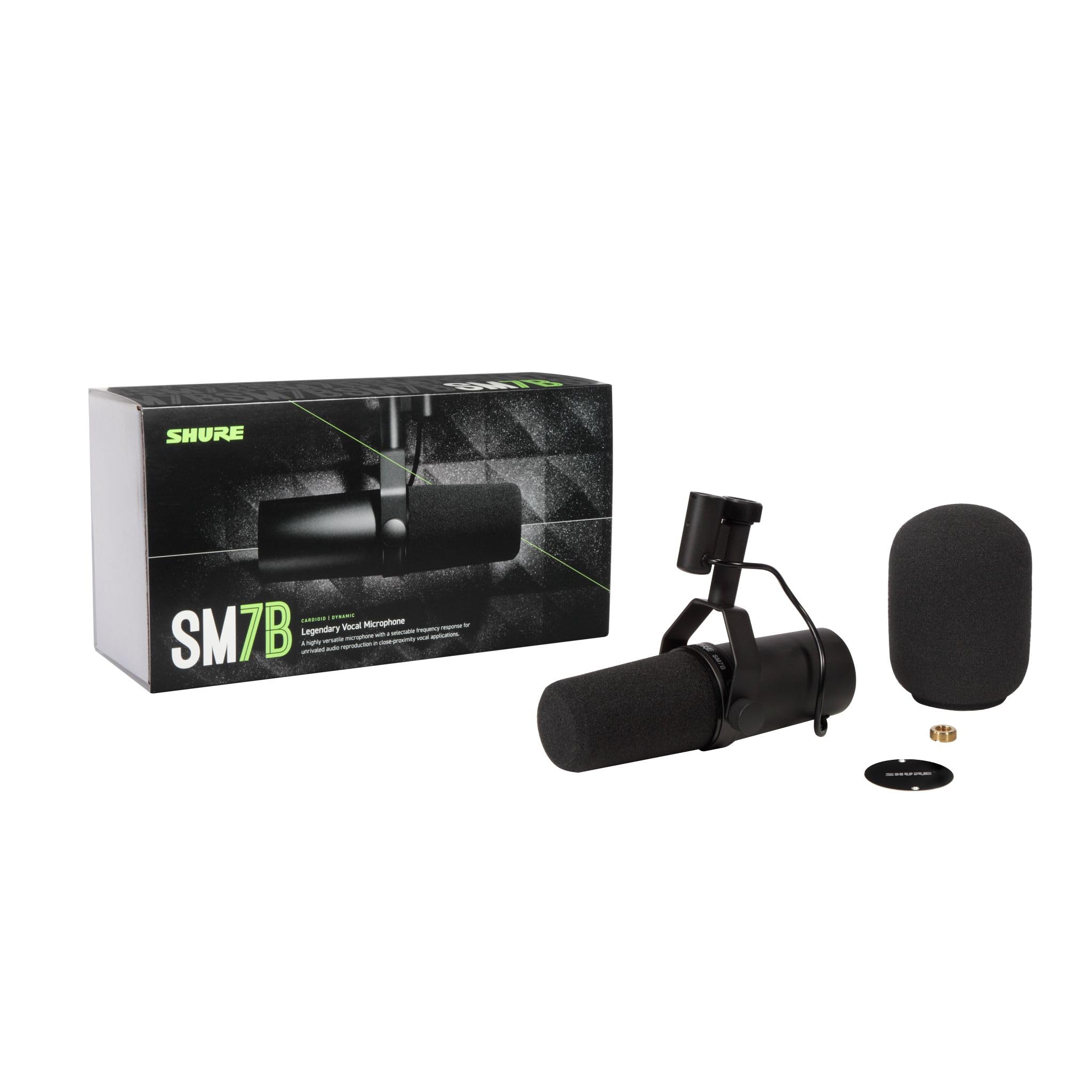
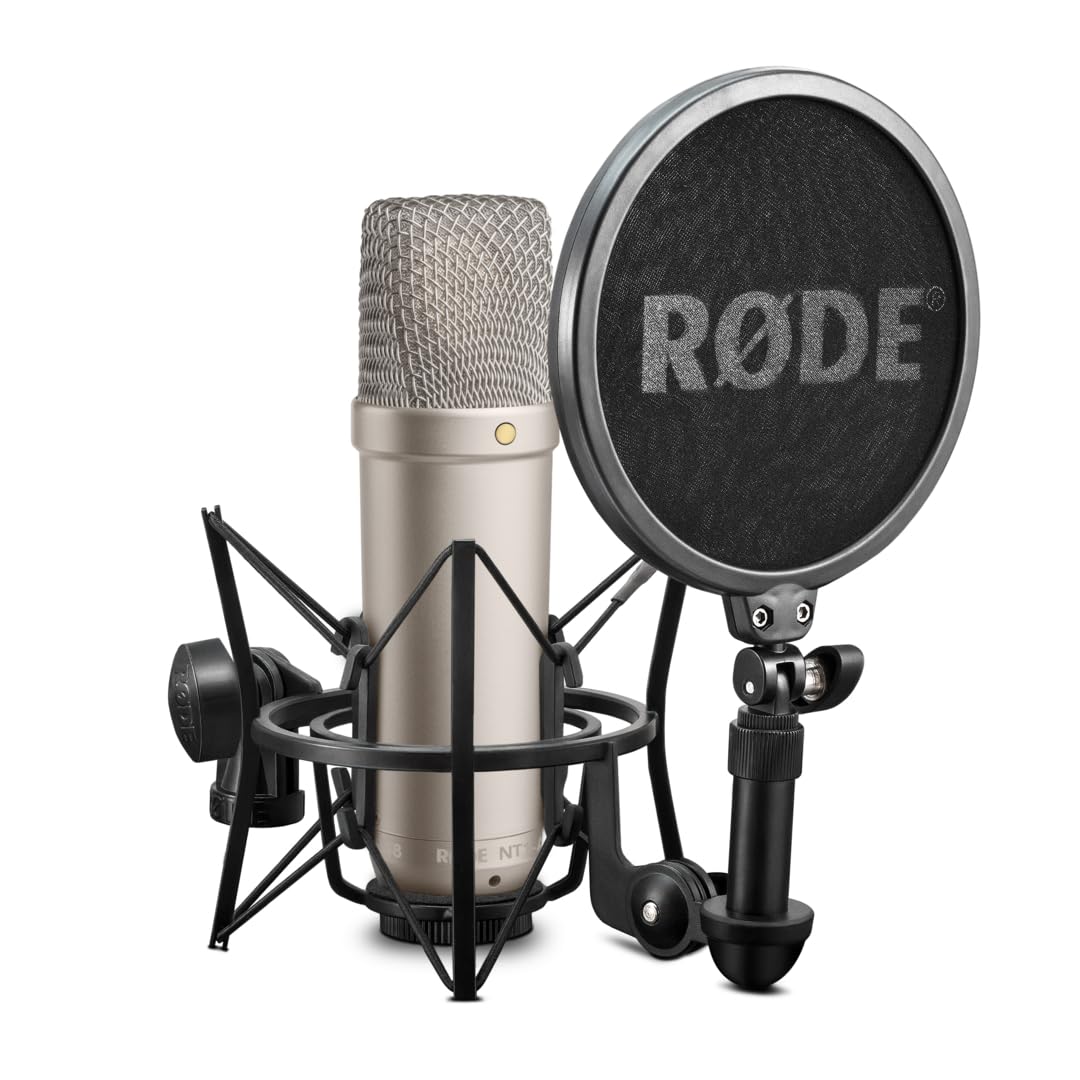
In a session with a Shure SM7B six inches from the singer and a click track at a normal monitoring level, the HD 280 Pro produces essentially zero audible click bleed on the vocal track. Even with a more sensitive condenser like a Rode NT1 or Audio-Technica AT4040 — both of which are far more revealing — leakage stays below the noise floor of a quiet untreated room, assuming the cue mix isn't being driven at concert volume.
The headphones also handle the percussive transients common in pop and hip-hop tracking without rattling. Kick samples and 808s reproduce cleanly at high volumes without the cup buzz that plagues some cheaper closed-backs. That matters because singers tend to push the cue level when they can't feel the low end, which is precisely when bleed problems compound.
Setup tips for choking off the last few decibels
Even a great closed-back can leak if the workflow around it is sloppy. A few practical tweaks make the Sennheiser HD 280 Pro for vocal tracking bleed setup essentially bulletproof:
- Roll off low end in the cue send. Most bleed-vulnerable content is sub-100 Hz energy (kick, bass, sub) that excites the cup at high cue volumes. A high-pass at 80 Hz on the cue bus lets the singer hear the groove without driving the headphone capsules into spill territory.
- Mono the click and tuck it down. Pan the click to the center and pull it down 3 to 6 dB once the singer locks in. Most bleed comes from a too-loud click, not a too-loud song.
- One cup off, one cup on. For pitch-heavy vocal takes, encourage the singer to slide one cup behind the ear. They'll naturally lower the overall cue volume because they're hearing the room, which dramatically cuts bleed.
- Aim the rejection lobe at the cans. Position a cardioid microphone so the null (180 degrees behind for cardioid, 90 degrees for figure-8) points toward the singer's headphones rather than away from them.
- Replace worn pads. The factory pleather pads compress after a few hundred hours of use. Sennheiser sells replacement pads cheaply, and a fresh seal restores the full 32 dB of isolation.
Where the HD 280 Pro falls short
The HD 280 Pro is a tracking tool, not a mixing reference. Critical mix decisions made on these headphones will translate poorly because the upper midrange is recessed and the soundstage is small. Use them for capture and switch to studio monitors or a more neutral pair like the Audio-Technica ATH-M50x or Sony MDR-7506 for editing and mixing. If you're comparing those two options, our ATH-M50x vs MDR-7506 comparison breaks down which one earns the editing chair.
The clamp is also genuinely uncomfortable for the first 20 to 40 hours. Most users break in the headband by gently stretching it over a stack of books overnight, which relaxes the clamp without sacrificing seal. If you're sensitive to pressure or wear glasses, factor in the break-in period.
Finally, the cable, while now detachable on current revisions, is a single-sided coiled type with a proprietary connector. Replacement cables exist but aren't as easy to source as a generic 3.5mm aux. Keep a spare in your gear drawer.
Who should buy the HD 280 Pro for vocal capture
Choosing the Sennheiser HD 280 Pro for vocal tracking bleed control is the obvious move if you're a one-person home studio recording vocals into a condenser or sensitive dynamic, and you can't afford separate tracking and mixing headphones. It's also a smart choice for podcasters interviewing guests in the same room, where each participant's headphones could otherwise spill into the others' mics. For broader headphone shopping context, see our roundup of the best studio headphones for recording in 2026 and our deeper guide to the considerations buyers should weigh before choosing studio headphones.
If your priority is mixing accuracy, comfortable marathon sessions, or wide soundstage, look elsewhere. The HD 280 Pro is laser-focused on one job, capturing clean takes without sonic spillover, and on that job it has been quietly winning for two decades. Pairing it with a thoughtfully treated tracking space (our guide to reducing echo in home studios covers the basics) gives you a setup that punches well above its price.
Frequently Asked Questions
Does the Sennheiser HD 280 Pro actually prevent click bleed on condenser mics?
Yes, in nearly all realistic tracking situations. At normal cue monitoring levels (around 75 to 80 dB at the ear), the closed-back design and 32 dB isolation rating reduce headphone spill to below the noise floor of even a sensitive large-diaphragm condenser. Problems only appear when singers push the cue mix into 95 dB-plus territory, which is loud enough to risk hearing damage anyway. Setting a sane cue level is the single biggest variable, not the headphone itself.
Is the HD 280 Pro better than the Audio-Technica ATH-M50x for tracking vocals?
For pure bleed suppression, yes. The HD 280 Pro clamps harder, isolates more, and has a darker top end that's less likely to escape the cups. The ATH-M50x is more comfortable for long sessions and more enjoyable for casual listening, but it leaks slightly more high-frequency content during loud playback. If you only have budget for one pair and tracking is your priority, the HD 280 Pro is the safer pick. Reserve the M50x for editing duty.
Will the HD 280 Pro work with my audio interface's headphone output?
Almost certainly. At 64 ohms and 113 dB SPL/V sensitivity, the HD 280 Pro is easy to drive from any modern interface, from the Focusrite Scarlett line to the Universal Audio Volt series, MOTU M-series, or RME Babyface. You won't need a separate headphone amp. If you're routing cue mixes to multiple singers in the same room, a small headphone distribution amp is still useful for individual level control without putting load on the interface.
How tight should the headphone seal be to stop bleed?
Tight enough that you feel mild pressure on the temples and the singer can't easily wiggle the cups while performing. If the pads are worn or the headband has been overstretched, you'll see a visible gap between the cup and the head, and that gap is where the click escapes. Replacing the velour or pleather pads every 12 to 18 months of heavy use is the cheapest meaningful upgrade you can make to a tracking headphone.
Can I use the HD 280 Pro for mixing as well as tracking?
You can, but you shouldn't rely on it for final mix decisions. The frequency response is voiced for isolation and intelligibility, not flat reference monitoring. Use it for tracking, rough comps, and editing where bleed control matters, then check your mix on neutral monitors or a more reference-oriented pair. Many engineers keep both: HD 280 Pro for capture, a flatter pair for the mix bus.
Why does my singer keep asking me to turn up the click, won't that cause bleed?
It will, which is exactly the problem you want to solve at the source. Singers usually request more click because they can't hear themselves clearly. The fix is more vocal in their cue mix, not more click. Boost the singer's own mic 3 to 6 dB in their headphones, add a touch of reverb to help them sit in the mix, and the click can come back down. The HD 280 Pro's efficient drivers make this much easier than with hard-to-drive open-back monitors.
Are replacement parts for the HD 280 Pro worth buying?
Absolutely. Sennheiser sells replacement pads, headbands, and cables for fractions of the headphone's price, which means a well-maintained HD 280 Pro can outlast a decade of daily studio use. This is one of the few reasons the model has remained a budget studio staple for so long: you're not buying a disposable product. Stock a spare set of pads and a spare cable, and you'll never lose a session to a torn ear cushion or a flaky connector.
Key Takeaways
- Choosing the right sennheiser hd 280 pro for vocal tracking bleed means matching capacity and output ports to your actual devices
- Always check actual watt-hours (Wh), not just watts — runtime depends on Wh, not peak output
- Also covers: hd 280 pro vocal isolation
- Also covers: closed-back headphones for tracking bleed
- Also covers: sennheiser hd 280 pro recording vocals
- Compare price-per-Wh across models to find the best value for your budget