If you are a podcast editor evaluating the Sennheiser HD 600 podcast editor voice EQ workflow, the short answer is yes: the HD 600 is one of the most trustworthy reference headphones for shaping spoken-word dialogue. Its open-back design, near-flat midrange, and gentle but honest treble let you hear exactly what your subtractive EQ moves are doing around sibilance (5–8 kHz), nasal honk (800 Hz–1.2 kHz), proximity boom (120–250 Hz), and room rumble (below 80 Hz). For voice editors who spend long sessions notching plosives, taming chestiness, and brightening intelligibility, the HD 600 gives you the unhyped midband detail you need without the smiley-face coloration that tricks you into over-EQing.
This buyer’s guide is written for podcast editors, dialogue mixers, and audio post engineers who want to know whether the HD 600 belongs in their voice EQ workflow in 2026, and how to use it to make better tonal decisions on every episode.
When shopping for Sennheiser HD 600 podcast editor voice EQ, it pays to compare specs, capacity, and real-world runtime before committing.
Why the HD 600 Still Matters for Voice Editing in 2026
The Sennheiser HD 600 has been a studio staple since 1997, and despite countless newer competitors, it remains a benchmark for one reason: its frequency response is famously balanced through the vocal range. Voices live mostly between 80 Hz and 12 kHz, and that is exactly where the HD 600 is most honest. When you sweep a parametric EQ across a host’s narration, every notch and shelf reveals itself plainly. There is no exaggerated 5 kHz peak fooling you into thinking the dialogue is already too sibilant, and no inflated bass shelf making you under-cut low rumble.
That neutrality is the entire point of using the Sennheiser HD 600 podcast editor voice EQ approach. You want headphones that report, not perform.
Open-Back Design and the Voice Editor
The HD 600 is open-back, which means the rear of each driver is vented. This produces a wider, more natural soundstage and reduces the cupped, in-the-head resonance that closed-back cans exaggerate. For voice editing, the practical benefit is that long sessions feel less fatiguing, and reverb tails, room reflections, and background noise become easier to identify. You can hear the difference between a true sibilant “s” and a microphone resonance peak masquerading as one.
The trade-off is obvious: open-backs leak sound and let outside noise in. They are unsuitable for tracking a host, for recording in a noisy room, or for editing on a train. They shine in a quiet edit suite, which is where most podcast post-production actually happens. If your room is loud or echoey, fix that first — see our tips for reducing echo in a home studio and our soundproofing guide before blaming your headphones.
What Frequencies Voice Editors Actually Care About
Editing a podcast voice usually comes down to four or five EQ zones. Knowing what each zone sounds like — and how the HD 600 translates each — turns the headphones into a diagnostic tool.
- 30–80 Hz — Subsonic rumble and HVAC. The HD 600 rolls off gently here, but it is honest enough that you will catch low rumble before it pollutes your loudness measurement. High-pass at 80–100 Hz on most male voices, 100–120 Hz on most female voices.
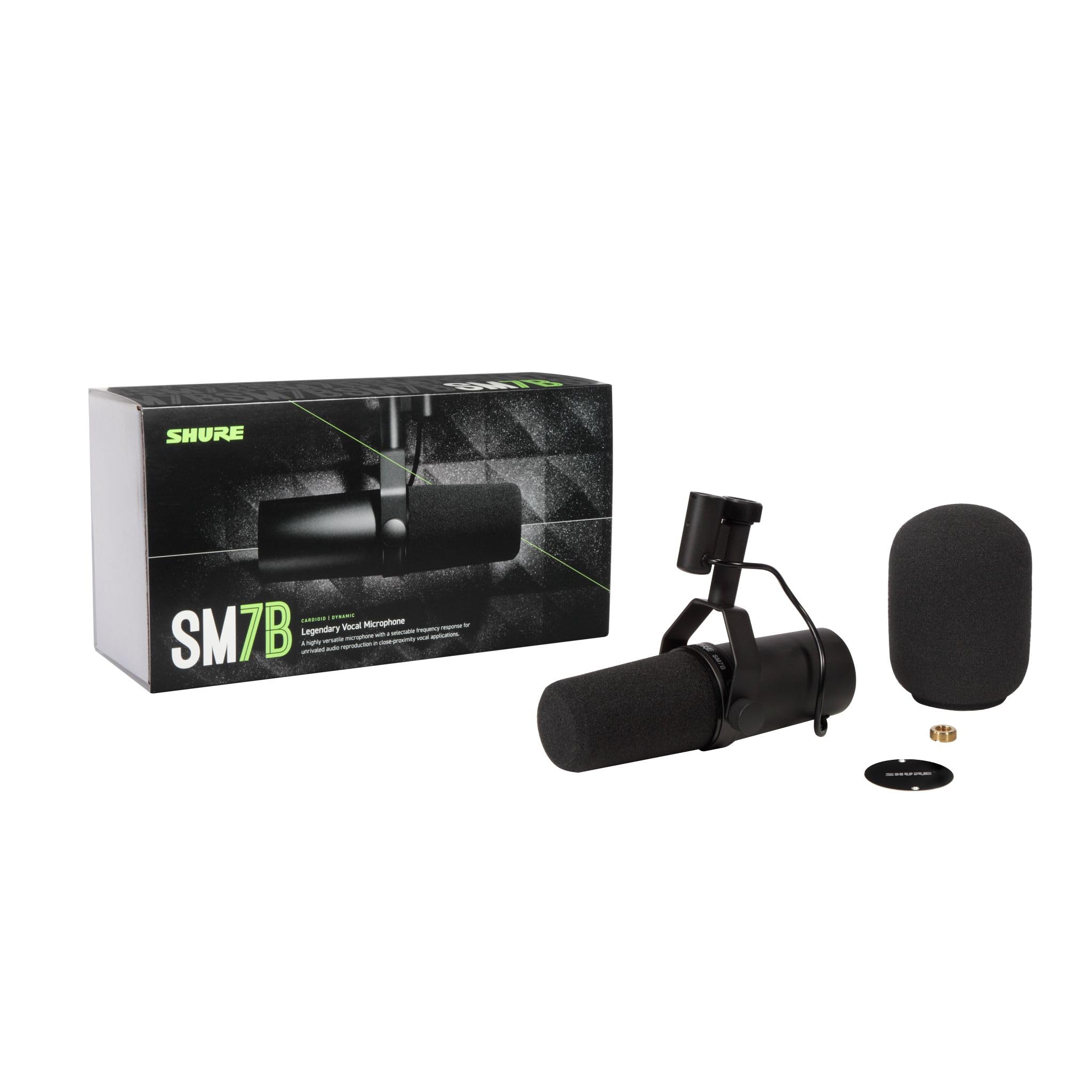
- 120–250 Hz — Proximity effect and chest boom. This is where dynamic mics like the SM7B and RE20 build up when hosts get close. The HD 600 reproduces this band with enough authority to hear a 2–3 dB cut clearly.
- 300–500 Hz — Boxy, cardboard, room buildup. Untreated rooms accumulate here. A wide –2 dB cut at 350 Hz often opens dialogue up dramatically.
- 800 Hz–1.2 kHz — Nasal honk. A narrow notch around 1 kHz removes a “pinched” quality on certain voices. The HD 600 makes this band easy to find.
- 2–4 kHz — Presence and intelligibility. A gentle 1–2 dB shelf here brings consonant clarity for listeners on phone speakers.
- 5–8 kHz — Sibilance and air. The HD 600 is famously gentle but accurate in this zone, so de-essing decisions feel surgical rather than guessed.
Editors coming from a hyped consumer headphone (like the M50x or a Beats variant) often find they have been over-de-essing and under-brightening for years. The HD 600 will recalibrate your ear within a week.
Strengths and Weaknesses for Podcast Post-Production
Where the HD 600 Excels
Long-session comfort: the velour pads and 260 g weight make 8-hour edits realistic. Midrange honesty: every dialogue EQ move you commit will translate to AirPods, car speakers, and studio monitors with minimal surprise. Impedance handling: at 300 ohms, the HD 600 pulls detail from clean amplification, rewarding even a modest dedicated headphone amp. Imaging: stereo placement of music beds, ambience, and dual-host dialogue is precise.
Where the HD 600 Is Not the Right Tool
Recording in the same room as the host — leakage will bleed into the mic. Noisy environments — outside sound bleeds in. Mobile editing — 300-ohm headphones rarely play loud or clean off a phone. Bass-forward content like music podcasts where sub-bass mixing matters — consider studio monitors for that decision, with the HD 600 as a translation reference.
Driving the HD 600: Amps, Interfaces, and Real-World Setups
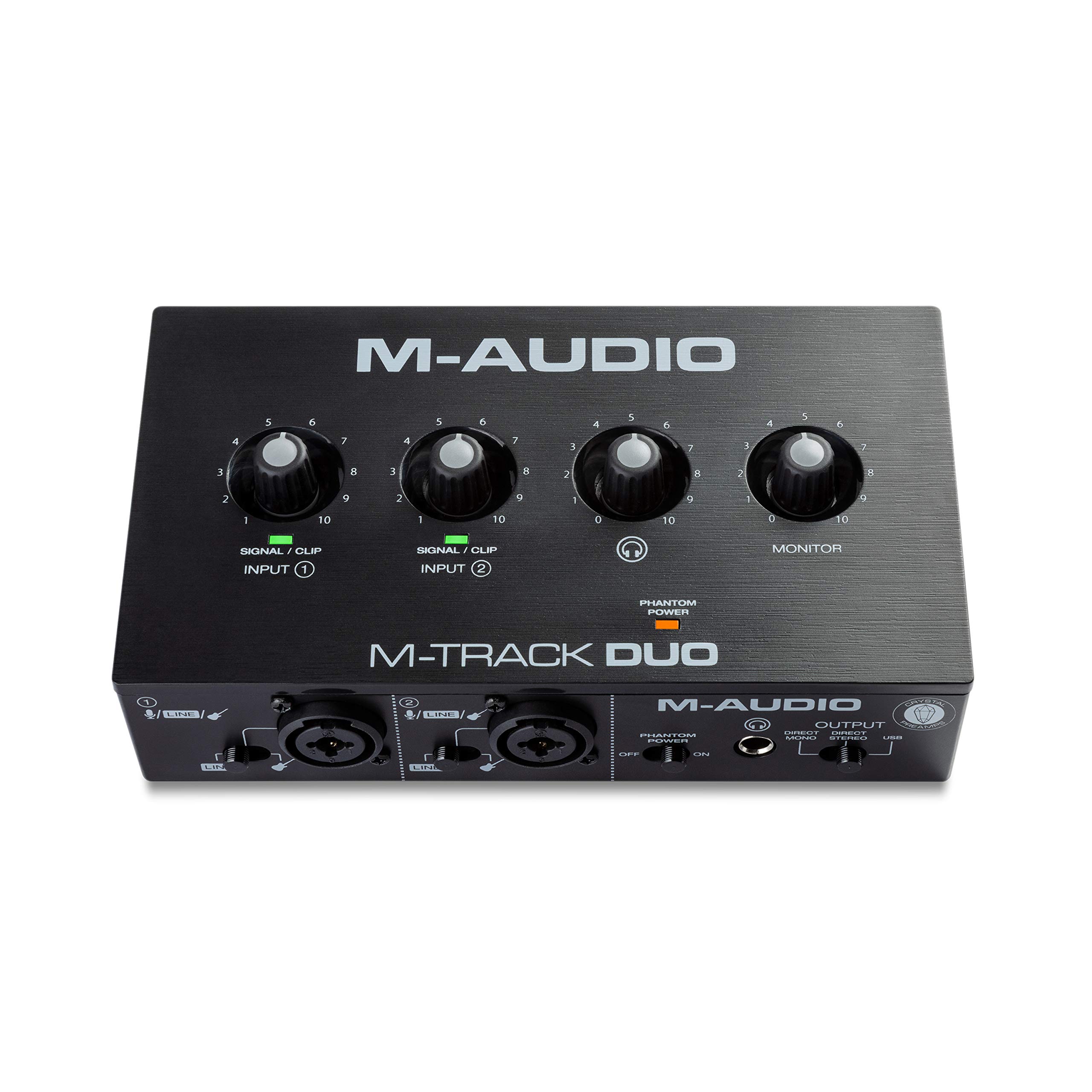
The HD 600 is a 300-ohm headphone, which means it benefits significantly from proper amplification. Most modern USB audio interfaces with a discrete headphone amp will drive them to acceptable levels, but you will get cleaner transients and better low-end weight from a dedicated amp or a higher-end interface. If you are still choosing your interface, see our 2026 audio interface guide for options that pair well with high-impedance reference headphones.
Editors who run hot edits at conservative monitoring levels (around 75 dB SPL average) will be perfectly served by a Focusrite Scarlett 4i4 4th gen, a MOTU M4, an SSL 2+, or any Apollo-class interface. Editors monitoring louder, or using complex de-essing chains, may want a dedicated headphone amp downstream.
HD 600 vs. Common Alternatives for Voice EQ Work
| Headphone | Design | Midrange Honesty | Voice EQ Suitability | Best Use Case |
|---|---|---|---|---|
| Sennheiser HD 600 | Open-back, 300 Ω | Excellent | Reference-grade for dialogue editing | Quiet edit suite, long sessions |
| Sennheiser HD 650 | Open-back, 300 Ω | Excellent (slightly warmer) | Great, but slightly veiled in upper mids | Long-form narrative editing |
| Audio-Technica ATH-M50x | Closed-back, 38 Ω | Colored (V-shaped) | Acceptable for tracking, weak for EQ | Tracking, on-location |
| Sony MDR-7506 | Closed-back, 63 Ω | Bright, sibilance-forward | Good for catching mouth noise; harsh for long EQ | Quick QC passes, noise spotting |
| Beyerdynamic DT 770 Pro | Closed-back, 80/250 Ω | Treble-peaky around 8 kHz | Risk of under-de-essing | Tracking with monitors live |
| AKG K371 | Closed-back, 32 Ω | Very neutral | Strong budget reference | Editors on a tight budget |
For a deeper closed-back comparison relevant to tracking, see our M50x vs MDR-7506 breakdown and our 2026 studio headphones guide.
A Practical Voice EQ Workflow Using the HD 600
Editors new to high-impedance open-backs sometimes second-guess what they are hearing. Use this workflow for the first few weeks to calibrate.
Step 1: Reference a Known-Good Voice
Load a finished episode from a major network (This American Life, Radiolab, The Daily) and listen on the HD 600 at 75 dB SPL. Note the tonal balance: tight low end, present mids, controlled sibilance, modest air. This is your target.
Step 2: High-Pass Filter First
On every dialogue track, insert a 12 dB/octave high-pass at 80 Hz for male voices, 100–120 Hz for female voices. On the HD 600 you will hear rumble disappear without losing chest warmth.
Step 3: Find the Mud
Sweep a narrow 4 dB cut between 200 and 500 Hz. The frequency that sounds like “removing cardboard” is your problem zone. Set the cut to –2 dB at a Q of 1.
Step 4: Tame the Nasal Zone
Sweep a narrow 3 dB cut between 800 Hz and 1.5 kHz. If a frequency makes the voice sound less “pinched,” that is the spot. Apply –1 to –2 dB.
Step 5: Presence Lift
Add a wide 1–2 dB bell or shelf at 3 kHz. On the HD 600 you will hear consonants tighten without the voice becoming brittle.
Step 6: De-Ess, Don’t EQ, the Sibilance
Resist the urge to cut 6 kHz statically. Insert a de-esser tuned to your voice’s sibilant peak (often 5.5–7.5 kHz). The HD 600’s honest top end will let you set threshold by ear rather than by panic.
Step 7: Air, Optional
A 1 dB high-shelf at 10–12 kHz adds breath and intimacy. Only commit if it survives a translation check on phone speakers.
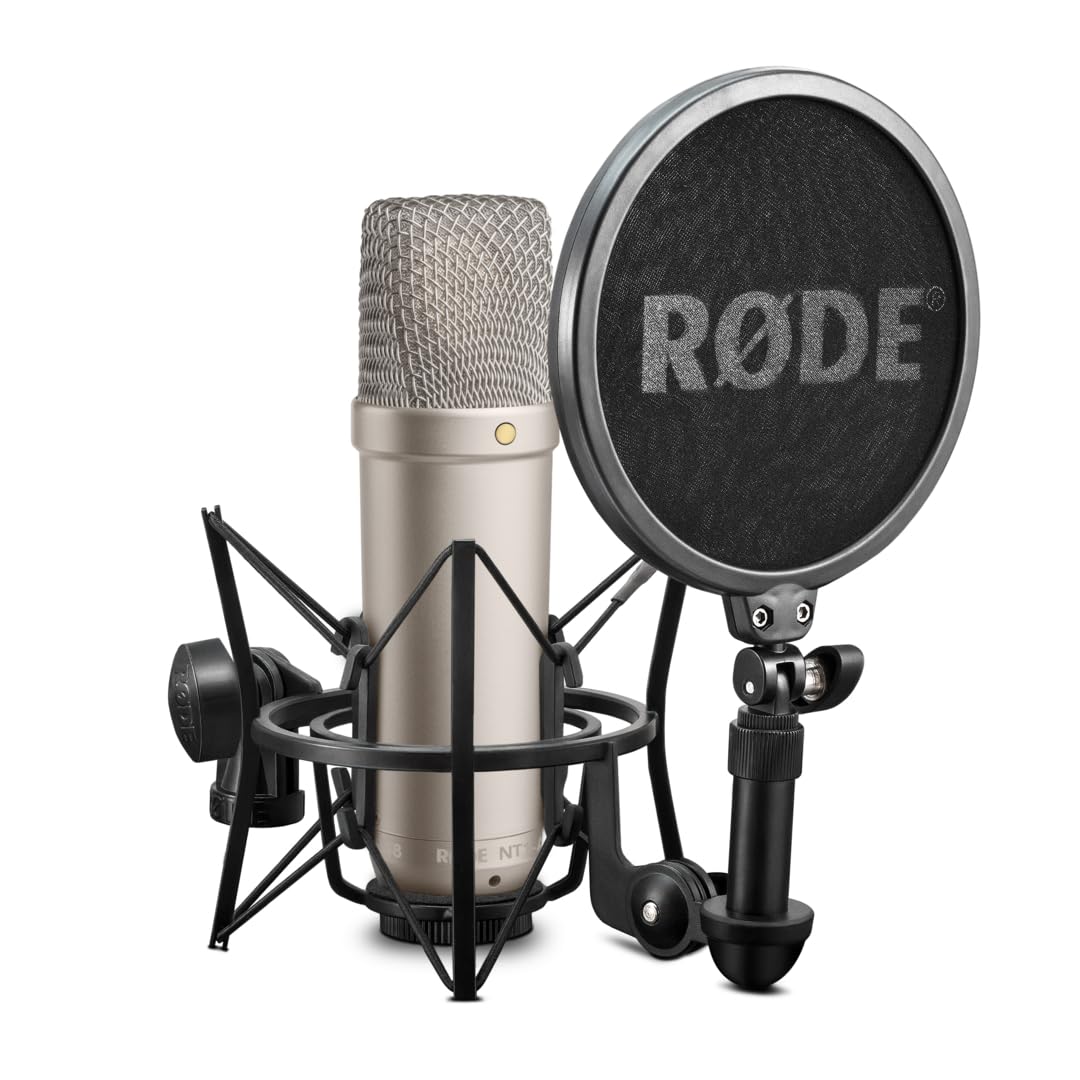
Choosing the Right Mic to Pair with HD 600 Editing
Your editing reference is only as useful as the source signal. If your dialogue tracks were recorded into the wrong mic for the room, no EQ move on the HD 600 will save them. If you are still finalizing your tracking chain, our guide to choosing the right podcast mic and our top podcast microphones for 2026 are good starting points. For untreated rooms specifically, dynamic mics are usually safer than condensers.
Should Voice Editors Buy the HD 600 in 2026?
If you make tonal decisions on spoken-word audio more than two hours per day, yes. The HD 600 is one of the cheapest ways to acquire a trustworthy midrange reference, and it has held its value precisely because nothing meaningfully better has arrived under $500. Pair it with treated monitors for low-end decisions and you have a translation-proof editing chain.
If you are primarily a tracking engineer or you edit on the road, choose a closed-back like the AKG K371 or the Sony MDR-7506 instead, and reserve the HD 600 for a future stationary edit setup.
Frequently Asked Questions
Are the Sennheiser HD 600 good for editing podcasts with lots of dialogue de-essing?
Yes. The HD 600’s upper-midrange and lower-treble response is famously honest, which means you can set de-esser thresholds and frequency ranges by ear rather than guessing. Their gentle but accurate sibilance reproduction prevents the over-de-essing common with brighter cans like the MDR-7506.
Do I need a dedicated headphone amp to use the HD 600 for voice EQ work?
Not strictly, but you will benefit. At 300 ohms the HD 600 reaches reasonable levels from any modern interface’s headphone output, but a clean dedicated amp tightens transients and adds low-end weight. For most podcast editors, a quality interface like a Scarlett 4i4 or SSL 2+ is sufficient. See our interface guide for details.
What is the difference between the HD 600 and HD 650 for podcast editing?
The HD 650 is slightly warmer, with a touch more low-mid weight and a marginally relaxed upper midrange. For pure dialogue editing the HD 600 is usually preferred because its uppers are more revealing of sibilance and consonant detail. The HD 650 is better suited to long-form narrative editing where comfort and warmth matter more than surgical EQ work.
Can I track a podcast guest while wearing open-back HD 600s in the same room?
No. Open-back headphones leak audibly and will bleed into condenser microphones and into sensitive dynamic mics like the SM7B at higher gain. Use a closed-back for tracking and reserve the HD 600 for editing in a separate, quiet room.
How loud should I monitor on HD 600 when EQing a podcast voice?
Target around 75 dB SPL average at the ear, with peaks under 85 dB. This is roughly conversational level and prevents both ear fatigue and the loudness-bias that makes everything sound better at higher volumes. Use an SPL meter app to calibrate once, then mark the level on your interface.
Will EQ choices I make on the HD 600 translate to AirPods and car speakers?
Generally yes, which is one of the main reasons editors choose them. The HD 600’s neutral midrange means that intelligibility-focused decisions on dialogue — high-pass, mud cuts, presence lifts, de-essing — hold up well on consumer playback. Always finish with a quick translation check on a phone speaker before publishing.
What room treatment do I need before relying on HD 600 for editing decisions?
Headphones bypass room acoustics for monitoring, so the HD 600 works in nearly any quiet edit suite. However, your tracking room still needs treatment, otherwise no EQ chain will rescue reflective dialogue. Read our guide to improving home studio audio quality for treatment basics that pay off downstream.
Are there cheaper alternatives that match the HD 600 for podcast voice EQ?
The closest budget option is the AKG K371, which delivers near-neutral closed-back response at roughly half the price. It will not match the HD 600’s soundstage or midrange transparency, but for editors building a first home setup, it is a defensible starting point. See our headphone buying considerations guide for a fuller comparison.
Key Takeaways
- Choosing the right Sennheiser HD 600 podcast editor voice EQ means matching capacity and output ports to your actual devices
- Always check actual watt-hours (Wh), not just watts — runtime depends on Wh, not peak output
- Also covers: HD 600 vocal editing reference
- Also covers: best open-back for podcast post-production
- Also covers: HD 600 vs HD 650 dialogue editing
- Compare price-per-Wh across models to find the best value for your budget