If you're heading into a crowd with a camera and need directional sound that survives chants, sirens, and wind gusts, the Sennheiser MKE 600 documentary street protest kit is one of the most reliable shotgun choices in 2026. The MKE 600 is a super-cardioid short shotgun with a switchable low-cut filter and an internal battery backup, two features that matter enormously when you're recording verite footage at a rally and can't stop to troubleshoot phantom power or low-frequency rumble. This guide walks you through why filmmakers keep choosing it for protest coverage, how to rig it for handheld and boom use in dense crowds, what to pair it with on a recorder, and how to handle the legal and safety realities of pointing a mic at strangers in public.
Documentary work at protests is unlike any other field-recording scenario. Sources are moving, weather is unpredictable, you may be jostled or run, and your subject's voice has to cut through ambient noise that often peaks above 90 dB. The Sennheiser MKE 600 documentary street protest workflow is built around a single principle: capture intelligible dialogue from your intended source while rejecting the off-axis crowd noise just enough to remain natural, not sterile.
Why the MKE 600 Suits Protest Documentary Work
The MKE 600 sits in a useful sweet spot between budget shotguns like the Rode NTG2 and high-end broadcast mics like the Sennheiser MKH 416. It's quiet enough at 15 dB(A) self-noise for documentary interviews, has roughly a 40 Hz to 20 kHz response with a gentle presence lift, and rejects off-axis sound aggressively enough to isolate a chant leader or speaker from a wall of crowd noise twenty feet away. Three features matter specifically for protest filming:
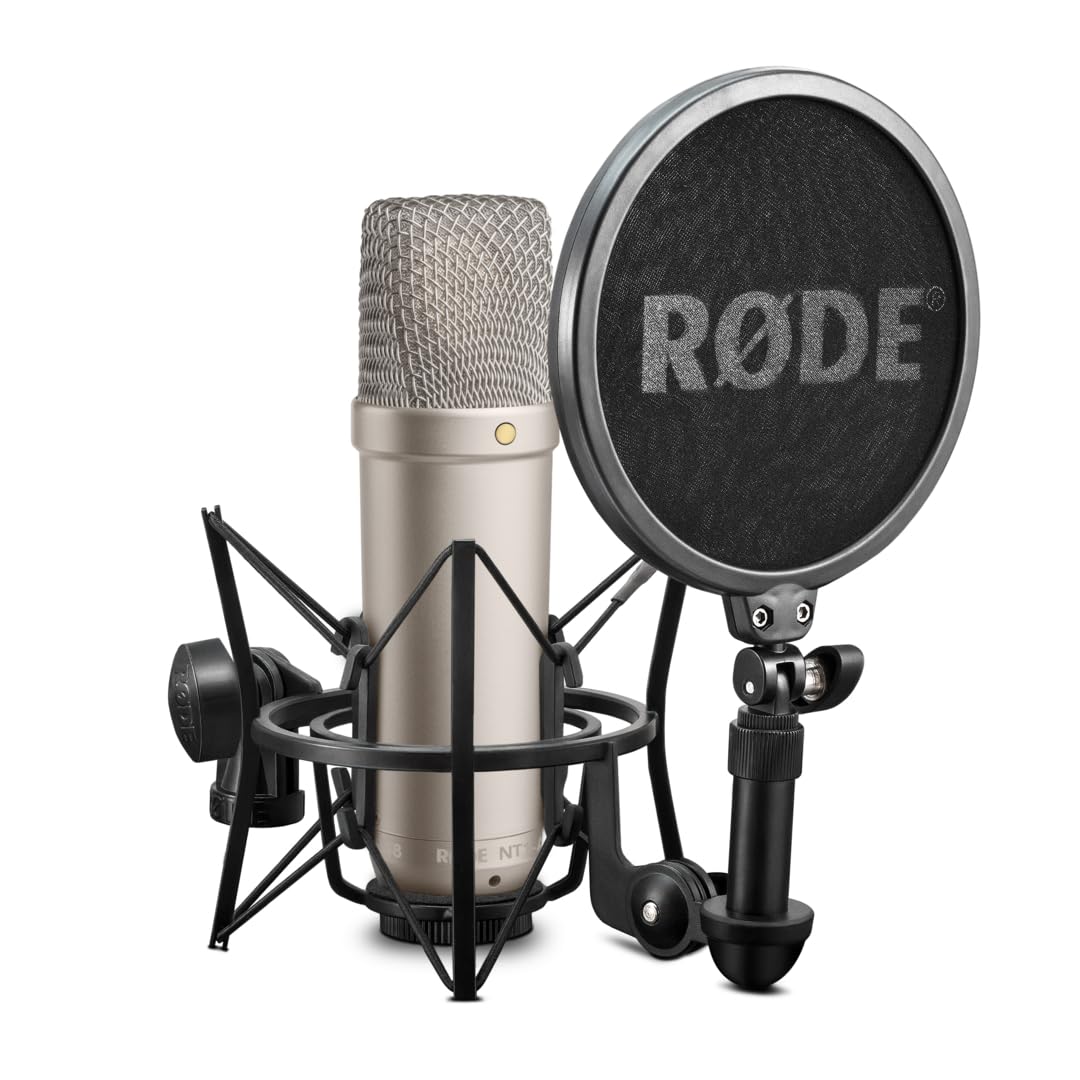
- Switchable low-cut filter. Wind, traffic, helicopters, and handling noise all live below 200 Hz. Flipping the low-cut on the barrel lets you cut that energy at the source rather than fighting it in post.
- Internal AA battery option. If your camera or recorder loses phantom power—or if you're shooting with a DSLR rig that never had it—the MKE 600 keeps running on a single AA for around 150 hours. At a protest that can stretch from afternoon into night, that's not a luxury.
- Robust metal housing. Documentary work means bumps, dropped boom poles, and the occasional shove. The MKE 600 takes abuse that would damage thinner-shelled condensers.
The Sennheiser MKE 600 Documentary Street Protest Rig
A shotgun mic alone is not a kit. To actually capture usable audio in a crowd, you need to build around it. Here is the minimum viable rig for protest documentary work in 2026, then upgrades you can layer in as your budget allows.
Wind Protection That Actually Works
The foam windscreen Sennheiser ships with the MKE 600 is fine for indoor use and light outdoor breeze. It is not adequate for an open plaza with gusts, and it will not save you from the buffeting that happens when you pan the camera. You need a furry windshield, often called a "dead cat" or, for full Rycote-style suspension, a blimp. For protest work specifically, a softie-style fur windscreen is usually the right call because it survives crowd contact better than a rigid blimp and packs down faster when you need to move. If a protester pushes through your shot, you can recover; a blimp cage caught in a backpack strap may not.
Shock Mount and Boom Pole
Handling noise from your hand on the camera or pole will be the single biggest audio problem you face. A proper shock mount with elastic suspension is non-negotiable. If you plan to extend a boom into a crowd to catch a speaker, choose a carbon pole under 6 feet for handheld work—longer poles get arm-fatiguing within minutes when you're also tracking action with the other hand.
Recorder or Camera Input
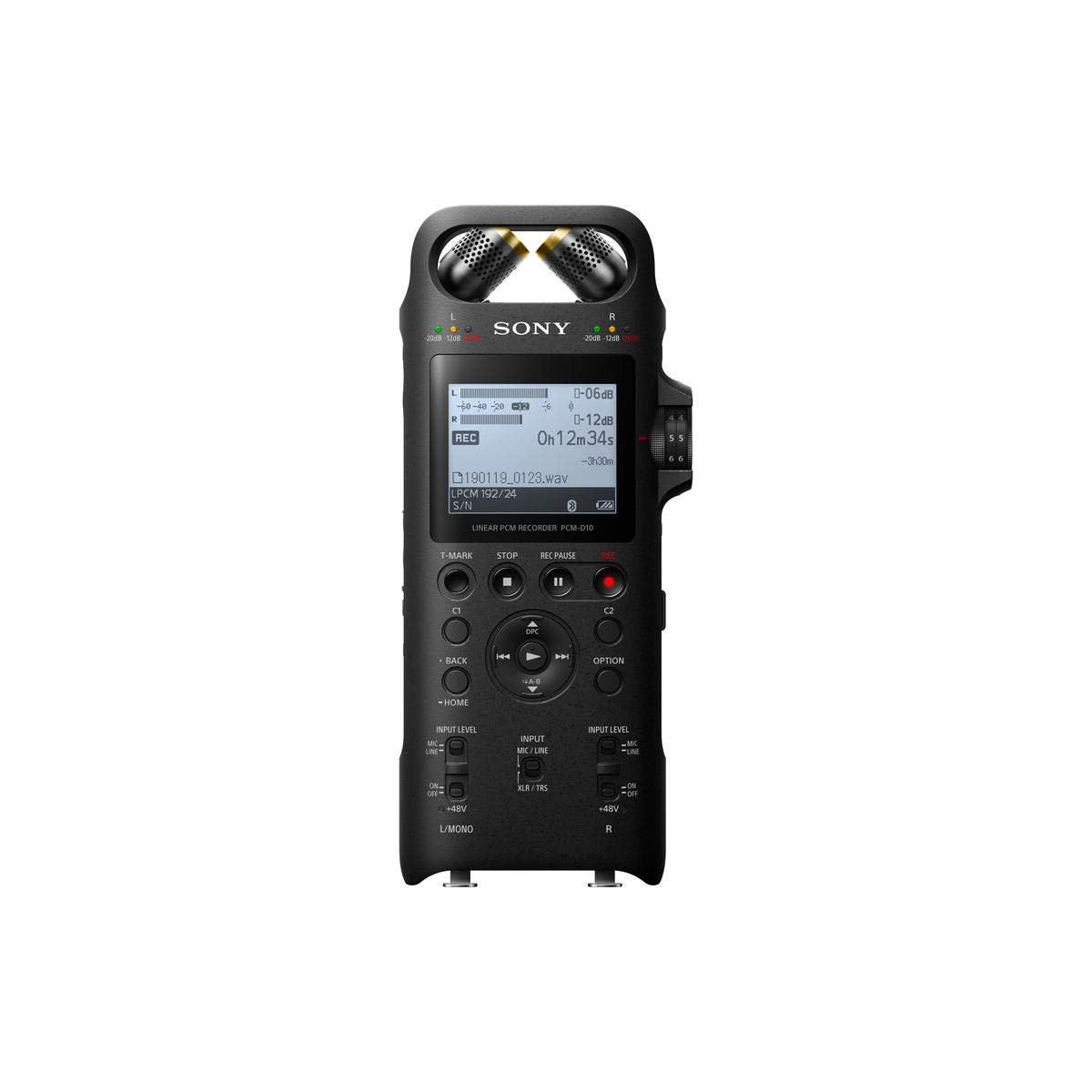
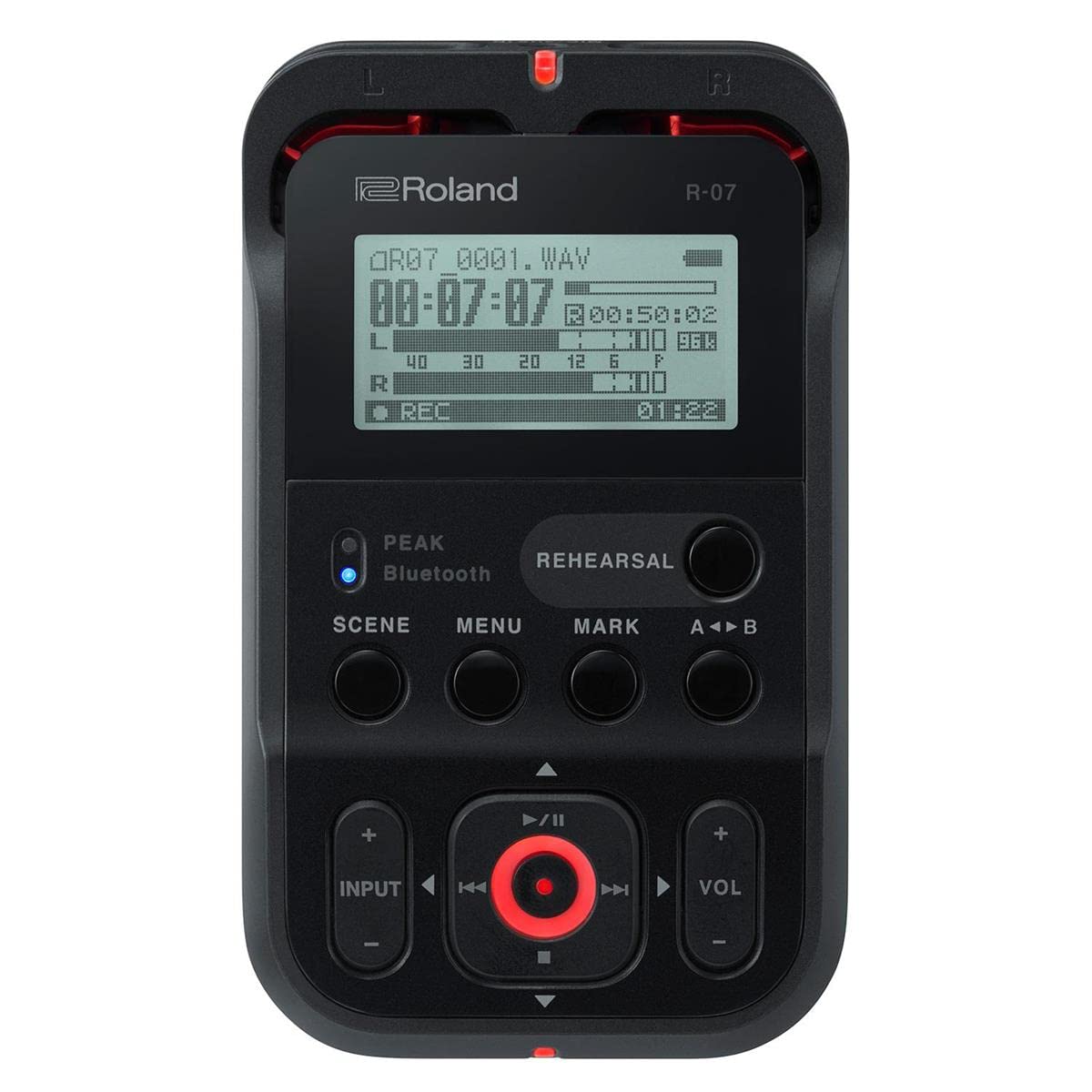
Plugging directly into a mirrorless camera works, but preamps in even good cameras are noisier than dedicated field recorders. If you can carry one, a small recorder with limiters and dual-record safety tracks is the safer choice. Our 2026 guide to portable recorders covers the options that pair well with shotguns like the MKE 600, and the Zoom H6 outdoor field interview breakdown goes deeper on settings for windy, unpredictable environments that mirror what protests throw at you.
Comparison: MKE 600 Versus Other Shotgun Options for Protests
| Feature | Sennheiser MKE 600 | Rode NTG3 | Sennheiser MKH 416 |
|---|---|---|---|
| Self-noise | 15 dB(A) | 13 dB(A) | 13 dB(A) |
| Power options | 48V phantom or AA battery | 48V phantom only | 48V phantom only |
| Weather resistance | Good | Excellent (RF-bias) | Excellent (RF-bias) |
| Low-cut switch | Yes, on barrel | No (external only) | No (external only) |
| Approx. weight | 400 g | 163 g | 175 g |
| Approx. street price (2026) | $350 | $700 | $1,000+ |
| Best fit | Solo doc filmmakers, run-and-gun protest work | Humid/wet protest conditions, broadcast crews | High-end documentary teams, broadcast |
For most independent documentary filmmakers covering protests, the MKE 600's combination of battery fallback, on-barrel low-cut, and lower price tag wins out over the lighter NTG3 or the more expensive 416. The Rode NTG3 is a better choice if you regularly film in rain or high humidity, because its RF-bias design is essentially impervious to moisture. The MKH 416 remains the broadcast benchmark but rarely justifies its premium for solo doc shooters whose camera bag is already overweight.
Field Settings: Gain, Filters, and Safety Tracks
Protest audio is brutal on gain staging because levels can swing 30 dB in seconds when chants start or police announcements begin. Set up for the loud moments, not the quiet ones. Aim for an average peak around -18 dBFS during normal speech, which leaves you 18 dB of headroom before clipping. Engage the MKE 600's low-cut for any outdoor work—the only reason to leave it off is if you're capturing distant sub-bass content like helicopter wash or distant explosions for sound-design purposes.
If your recorder supports a dual-record safety track at -12 dB lower than your main track, use it. A single clipped scream from a megaphone three feet from your mic can ruin the take you waited two hours for, and the safety track is the only way to recover it. Limiters on the recorder should be enabled as a last line of defense, not a primary tool—they color the sound and will be audible if they engage frequently.
Boom Technique in a Moving Crowd
Pointing a shotgun mic in a crowd looks aggressive and can draw negative attention. Two techniques help. First, keep the pole low and angled up from chest height when interviewing—this is less confrontational and reduces wind exposure compared to overhead booming. Second, when capturing a speaker on a stage or a chant leader, get the mic within 4 to 6 feet if at all possible. The MKE 600 is a short shotgun, not a long one, and its rejection pattern is meaningful but finite. Distance is your enemy more than off-axis noise is.
When the crowd is moving, walk backward with a spotter who has a hand on your shoulder. This is a long-standing documentary practice and it is far safer than trying to track action while looking through a viewfinder. Your spotter watches for curbs, projectiles, and law enforcement movement so you can focus on framing and audio.
Safety, Legality, and Ethics
In most U.S. jurisdictions, recording audio in a public place where there is no reasonable expectation of privacy is legal, but two-party consent states impose stricter rules for private conversations even in public spaces. Know the laws in your jurisdiction before you arrive. Press credentials help but do not provide blanket immunity from arrest or equipment confiscation. Carry a small written press card, your driver's license, and the contact information for a media-friendly lawyer.
Battery-power the mic when possible at protests. If you're detained briefly and an officer disconnects your camera, the mic still functions—and so does any safety recorder you have rolling in your bag. Backup recordings have saved more than one documentary subject's testimony.
Pairings Worth Considering
Beyond the recorder, consider a low-profile lavalier as a backup or B-source for sit-down interviews after the protest. The MKE 600 excels at the active footage; a lav captures the calmer follow-up interview at someone's apartment or in a coffee shop. For deeper context on building a documentary audio kit beyond protest-specific gear, our essential podcasting equipment guide covers many crossover items that translate directly to documentary fieldwork, particularly recorders, headphones, and cables.
Headphones matter too. Use closed-back monitoring headphones with strong isolation so you can actually hear what the mic is hearing, not what you wish it was hearing. Open-back studio cans are useless in this environment.
Frequently Asked Questions
Is the Sennheiser MKE 600 weatherproof enough for outdoor protest filming in rain?
The MKE 600 handles light rain and humidity reasonably well thanks to its sealed metal housing, but it is not an RF-bias design like the Sennheiser MKH 416 or Rode NTG3 and can develop noise issues in sustained heavy rain. For wet conditions, cover the windshield with a rain cover (Rycote and K-Tek both make affordable options) and keep a microfiber cloth in your kit to dry the connector if needed. If you regularly film in tropical or persistently wet climates, an RF-bias shotgun is worth the upgrade.
Can I plug the MKE 600 directly into a mirrorless camera for protest documentary work?
Yes, the MKE 600 has a 3.5mm output option via its AA battery mode, so it works directly with cameras that accept a mini-jack input. You'll lose the dynamic range and limiter quality of a dedicated recorder, but for run-and-gun coverage where weight matters more than absolute fidelity, camera-direct is viable. Always check levels with headphones before the action starts.
How long does the AA battery last in the MKE 600 during a long protest shoot?
Sennheiser rates the internal AA battery at roughly 150 hours of continuous use, which is generous even for a 12-hour shoot day. Bring two spare alkaline AAs in your bag for absolute insurance—lithium AAs perform better in cold weather if you're filming winter protests.
What's the best windscreen for the Sennheiser MKE 600 in a crowded protest environment?
A furry softie-style windscreen (Rycote Super-Softie or a comparable Movo or Rode option) is the practical choice for protests because it survives crowd contact and stows quickly. Full Rycote blimp systems offer superior wind rejection but are bulkier and more vulnerable to damage in tight crowds. The stock Sennheiser foam is only useful indoors.
Should I record on a separate field recorder or straight into the camera at a protest?
A separate recorder is safer because of dual-record safety tracks, better preamps, and independent battery power. The tradeoff is more gear to manage and sync in post. For solo doc filmmakers, a compact recorder running in your bag with a wired connection to the MKE 600 on the camera-mounted shock mount is a workable compromise—you get clean audio without operating two devices simultaneously.
How close does the MKE 600 need to be to a speaker at a protest to get usable dialogue?
Aim for 4 to 6 feet from the source for clear, intelligible dialogue. The MKE 600 is a short shotgun and its directional advantage narrows the further you get from the source while ambient noise stays constant. If you cannot get closer than 10 feet, consider asking the subject to wear a wireless lavalier for the interview portion instead of relying on the shotgun.
Does the MKE 600's low-cut filter remove too much voice frequency for documentary interviews?
No, the low-cut is set at approximately 100 Hz with a gentle slope, which removes wind rumble, traffic, and handling noise without thinning male voices noticeably. Female voices and most male voices retain full warmth. Engage it by default outdoors and only disable it for controlled indoor interviews where you want the fullest possible low-end response.
Key Takeaways
- Choosing the right Sennheiser MKE 600 documentary street protest means matching capacity and output ports to your actual devices
- Always check actual watt-hours (Wh), not just watts — runtime depends on Wh, not peak output
- Also covers: MKE 600 protest documentary audio
- Also covers: best shotgun mic for street demonstrations
- Also covers: Sennheiser MKE 600 vs Rode NTG3 doc
- Compare price-per-Wh across models to find the best value for your budget