If you are hunting for the right handheld dynamic to document your bar-back sets, the shure beta 58a stand-up comedy open mic combination is one of the most reliable, road-proven choices available in 2026. The Beta 58A is a supercardioid dynamic vocal microphone engineered to reject feedback from wedge monitors, shrug off the bumps and drops that happen when you hand the mic to the next comic, and deliver a present, slightly bright vocal tone that cuts through a noisy crowd. For comedians who want a clean recording of both their punchlines and the room's reaction without lugging a fragile condenser into a brick basement venue, this microphone hits the sweet spot between durability, intelligibility, and price.
This buyer's guide breaks down why the Beta 58A is so frequently the default at open mic nights, how to capture a usable recording from the house PA, what to pair it with on the recording side, and the technique adjustments you should make so your sets sound as funny on playback as they felt in the room.
When shopping for shure beta 58a stand-up comedy open mic, it pays to compare specs, capacity, and real-world runtime before committing.
Why the Beta 58A Suits Stand-Up Comedy
Stand-up is one of the most physically punishing applications for a vocal microphone. Comics grip the mic, slap it against their thigh, shout into it, whisper an aside, drop it on a riser, and pass it to a stranger who may have never held a microphone in their life. The Beta 58A's hardened steel mesh grille, internal shock mount, and pneumatic suspension are designed for exactly that abuse. Shure's Beta line was developed for touring vocalists who put their gear through hell six nights a week, and that translates directly to the open mic environment where the mic is on stage from 7pm until last call.
Tonally, the Beta 58A has a brighter, more forward upper-midrange presence than the classic SM58. Comics deliver a lot of consonants per second, especially during act-outs and impressions, and that presence boost in the 4-10kHz region helps every "t," "k," and "s" land cleanly. When the punchline depends on a specific word, you do not want it buried under crowd noise or PA mud.
Feedback Rejection in Cramped Venues
Most open mics happen in rooms that were never designed for live amplification. You are typically standing inches in front of a wedge monitor or a small PA tower, the ceiling is low, and the walls are flat brick or plaster. That is a feedback nightmare. The Beta 58A's supercardioid polar pattern is tighter than the cardioid pattern of the SM58, with maximum off-axis rejection at roughly 120 degrees rather than directly behind the mic. In practical terms, if the sound engineer aims a monitor at your feet and angles it slightly outward, the Beta 58A will reject far more of that monitor signal than a standard cardioid would, letting you push gain higher before the room starts ringing.
This matters for recording too. The less feedback the engineer has to fight, the cleaner the board feed or room recording you can capture for review and submission to festivals.
Capturing the Laugh Track
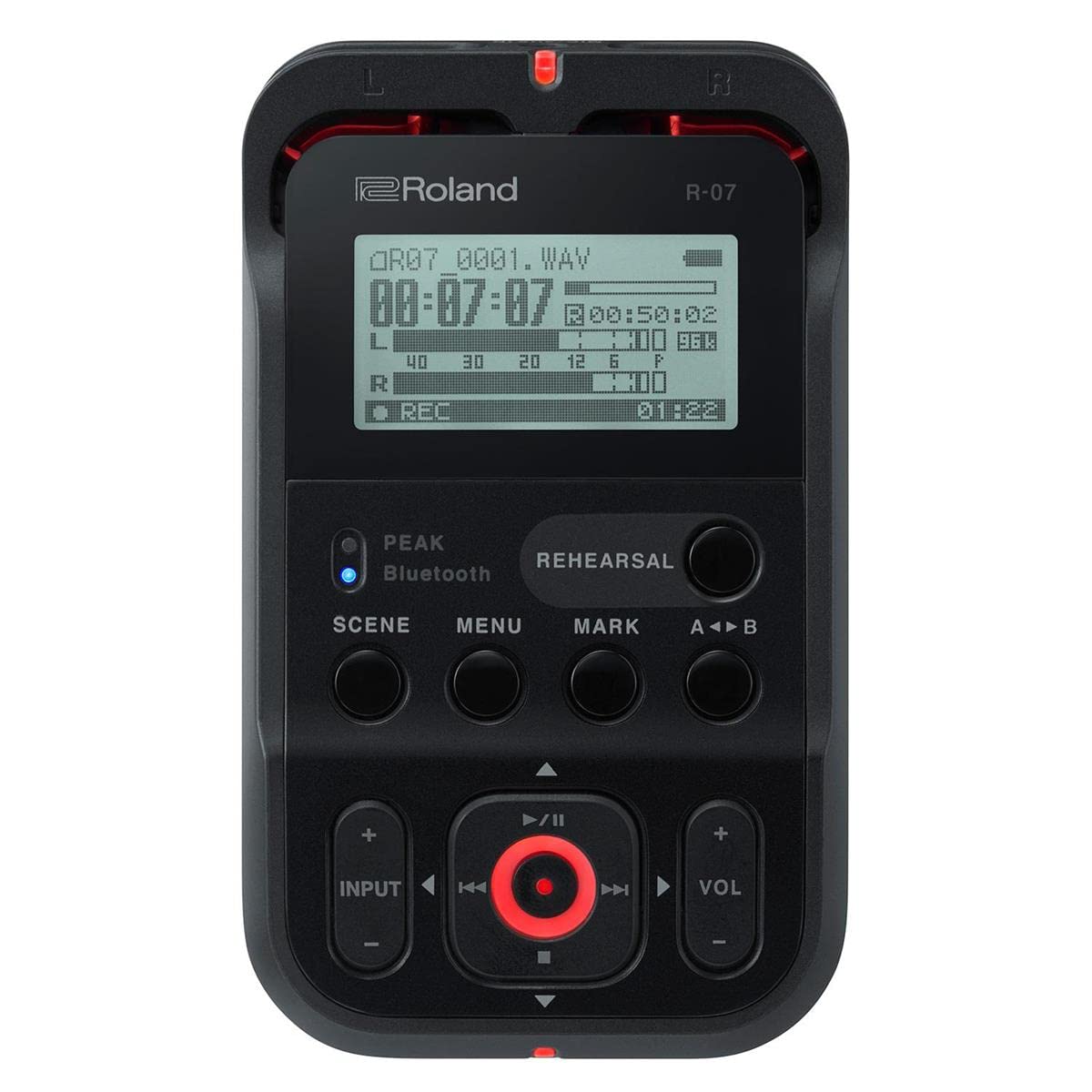
A stand-up recording is only half about you. The other half is the audience. A set that lands but has no audible laughter on the recording is functionally useless for sending to a booker, posting as a clip, or studying afterward. The Beta 58A is tight enough to give you a clean isolated vocal, but you will need a strategy for capturing crowd response separately. Most comics solve this one of two ways: by getting a split feed off the house mixing board (your vocal on one channel, an ambient room mic on the other), or by placing a portable recorder with built-in stereo condensers somewhere in the room aimed at the audience.
If you do not have a sympathetic sound engineer, the portable recorder approach is the move. Tuck a small recorder on a side table behind the back row, set levels conservatively to avoid clipping when the laughs peak, and you will end up with a stereo bed of crowd reaction that you can mix against the board feed in post. For options that work well in this scenario, see our guide to the best portable recorders of 2026 and the more focused roundup of the best portable recorders for podcasters, which covers many of the same dual-input units comics use for open mic capture.
Beta 58A vs. Common Open Mic Alternatives
Most open mic stages either have a Shure SM58, a Beta 58A, or a generic budget dynamic clipped to the stand. Here is how the Beta 58A stacks up against the mics you are most likely to encounter or to bring with you.
| Microphone | Polar Pattern | Tonal Character | Feedback Rejection | Best For |
|---|---|---|---|---|
| Shure Beta 58A | Supercardioid | Bright, forward presence | Excellent | Loud rooms, monitor-heavy stages, articulate comics |
| Shure SM58 | Cardioid | Warmer, scooped highs | Very good | Lower-volume rooms, deeper voices, classic radio tone |
| Sennheiser e835 | Cardioid | Smooth, slightly bright | Good | Comics with sibilant voices who find the Beta harsh |
| Shure Beta 87A (condenser) | Supercardioid | Detailed, airy | Good | Quiet rooms with seated audiences only |
For the majority of open mic rooms, the Beta 58A is the most versatile choice. The SM58 is the safer pick if you have a particularly sibilant delivery or if your room is treated and quiet. Condenser vocal mics like the Beta 87A sound incredible but pick up far too much crowd noise and PA reflection for the average basement bar mic night.
Bringing Your Own Mic vs. Using the House Mic
One question that comes up constantly in open mic circles is whether to bring your own Beta 58A or just use whatever is clipped to the stand. The honest answer is that for most rooms, bringing your own is overkill until you start recording for distribution. If you are recording for a tape that will be reviewed by a manager, a club booker, or a festival application, then yes, owning your own Beta 58A is worth it. You know how it has been treated, you know it has not been dropped on concrete a hundred times, and you can clean the grille yourself so it does not smell like the last seven comics who used it.
If you do bring your own, arrive early, ask the engineer politely if you can swap the mic in for your set only, and have your own mic clip ready. A confident, low-drama swap takes about ten seconds between comics and almost no host will object.
Technique Adjustments for Comedy Delivery
The Beta 58A rewards close-mic technique. The proximity effect on a supercardioid is more pronounced than on a cardioid, so when you pull the mic right up to your lips for an intimate aside or a confessional bit, you get a noticeable bass bloom that adds weight and gravity to the moment. When you pull back for a big shouted punchline, you lose that bass and the tone gets thinner, which actually helps the loud delivery cut without distorting the PA. Use this dynamically. Treat the mic distance as part of your performance, not as a fixed position.
Plosives (the popping "p" and "b" sounds) are more of an issue on the Beta 58A than the SM58 because of that brighter top end. Angle the mic slightly off-axis from your mouth, maybe 15 degrees, rather than pointing it directly at your lips. You will lose almost no signal but you will dramatically reduce pops, which matters a great deal when you are recording the set for a clip.
Pairing the Beta 58A with a Recording Chain
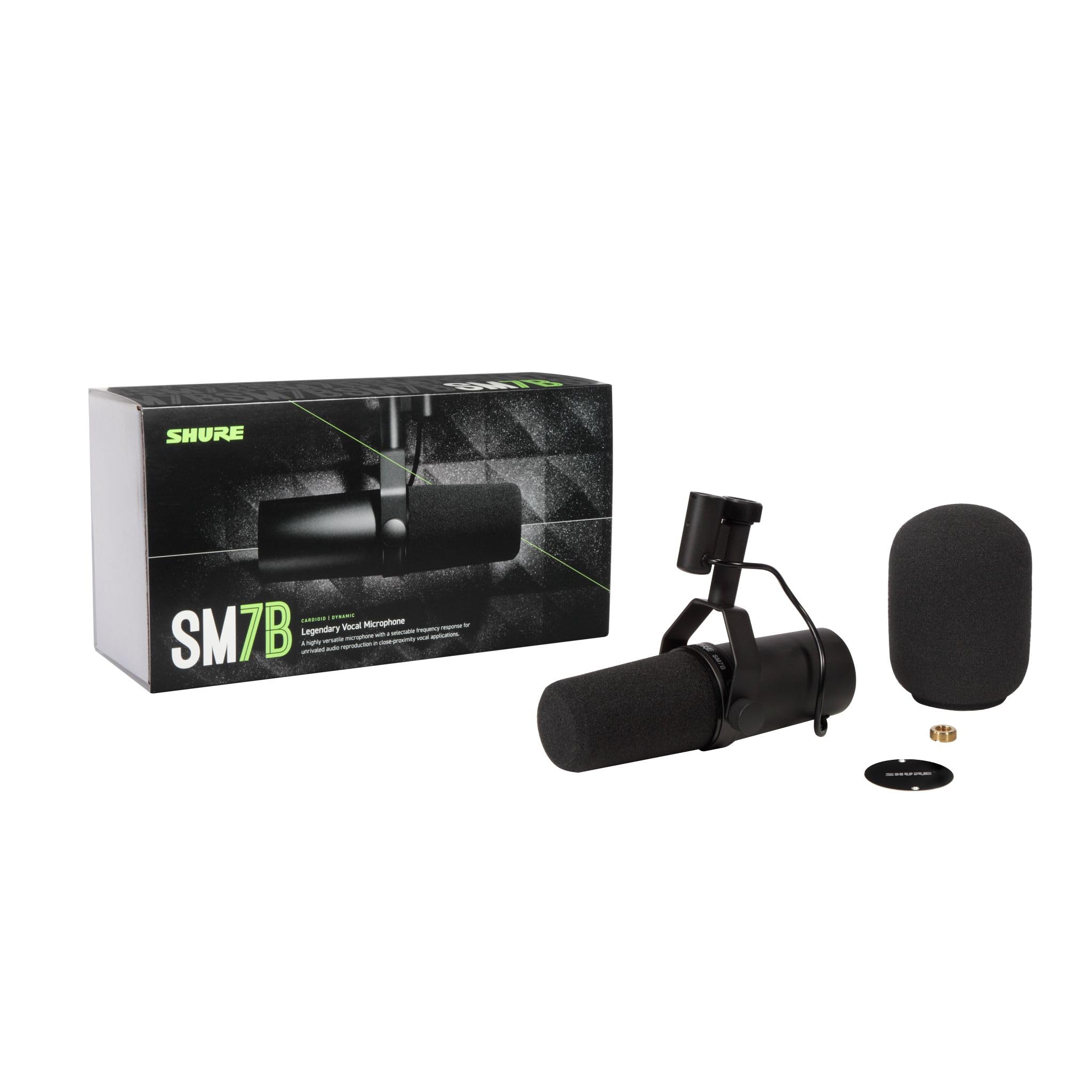
The Beta 58A is a passive dynamic microphone with relatively low output, which means it benefits from a clean, high-gain preamp. If you are recording at home for practice or running an in-ear monitor setup at the venue, you will need an audio interface or portable recorder with enough headroom to push the Beta 58A to a healthy level without raising the noise floor. This is the same gain consideration that comes up with the Shure SM7B for podcasting. For broader context on matching a dynamic mic to the right input, our writeup on the essential podcasting equipment guide covers preamp gain, phantom power myths, and signal chain basics that all apply equally to recording a comedy set.
At the venue itself, the simplest workflow is to ask the engineer for a post-fader feed from your channel into a small handheld recorder you bring with you. An XLR splitter or a dedicated direct out from the board feeds your recorder while the PA continues to amplify your set as normal. Combine that board feed with an ambient room mic on a separate track and you have everything you need to mix a great-sounding clip.
Caring for the Mic on the Road
The Beta 58A is durable, but it is not indestructible. Unscrew the grille every few weeks and rinse it in warm water with a drop of dish soap to clear out spit, beer, and whatever else has accumulated. Let it air dry completely before reattaching it. Store the mic in a padded pouch in your gig bag, not loose at the bottom where keys and bottle openers will scratch the finish. With basic care, a Beta 58A will outlast multiple laptops, multiple recorders, and probably multiple stage names.
If you want to also use this mic for at-home practice recordings or podcast guesting, you should think about how your room sounds. A quick read of our tips on how to reduce echo in a home studio will get you most of the way toward a recording space where your dynamic mic actually shines.
Is the Beta 58A the Right Mic for You?
If you do open mics in loud bars, work with monitor wedges, want a microphone that rejects feedback aggressively, and need something that survives being passed around all night, the answer is almost certainly yes. The shure beta 58a stand-up comedy open mic workflow is a known quantity. Thousands of working comics have built their early acts on this exact mic. It is not a fancy choice, it is not an Instagram-bait choice, and that is precisely why it works.
The only comics who should look elsewhere are those with extremely sibilant or harsh-sounding voices who find the Beta 58A's top-end presence unflattering, and those performing exclusively in treated, quiet listening rooms where a vocal condenser like the Beta 87A or a small-diaphragm setup will give a more nuanced sound.
Frequently Asked Questions
Is the Shure Beta 58A better than the SM58 for stand-up comedy?
For most open mic environments, yes. The Beta 58A has tighter feedback rejection thanks to its supercardioid pattern, a brighter top end that helps consonants cut through crowd noise, and a slightly hotter output level that is easier to drive into a PA. The SM58 is still excellent and remains the industry default, but the Beta 58A gives comics a little more edge and clarity in loud rooms.
Can I record an open mic set directly to a portable recorder with the Beta 58A?
Absolutely. Run an XLR cable from the Beta 58A into a portable recorder with XLR inputs and phantom power-capable preamps (though the Beta 58A is a dynamic and does not need phantom power). Set your input gain so peaks hit around -10dBFS, and you will have a clean isolated vocal recording. Add a second input with a room mic or the recorder's built-in stereo capsules for audience reaction.
Do I need phantom power for the Shure Beta 58A?
No. The Beta 58A is a passive dynamic microphone and does not require phantom power. Sending phantom power to it will not damage it, but it does nothing functional. If your interface has a phantom power switch, you can leave it off when using only the Beta 58A.
How do I avoid plosives and pops on the Beta 58A during fast comedy delivery?
Angle the microphone about 15 degrees off-axis from your mouth rather than aiming it straight at your lips. You will still capture nearly full signal level but the air blast from "p" and "b" sounds will pass to the side of the capsule rather than directly into it. This is especially important during rapid-fire delivery or act-outs where you cannot consciously manage breath control.
Will the Beta 58A pick up too much audience noise during a comedy set?
No, and this is one of its main advantages. The supercardioid pattern is highly directional, so when you hold the mic close to your mouth, audience laughter and crosstalk are significantly attenuated relative to your voice. You will still hear the room in the recording, just at a much lower level than the vocal, which is exactly what you want. If you need a stronger laugh track, capture the audience with a separate recorder rather than trying to get it from the vocal mic.
What kind of audio interface should I pair with a Beta 58A for at-home practice recording?
Any modern interface with at least 55-60dB of clean preamp gain will work well. Comics often practice sets at home into the same interface they would use for podcasting or guesting on other shows. Our overview of how to choose the right microphone for podcasting covers interface pairing in more depth and applies directly to recording solo comedy material at your desk.
How long should a Beta 58A last for a working open mic comic?
With reasonable care, decades. The Beta 58A is the same family of microphone used on touring rock concerts. Open mic abuse is mild by comparison. Rinse the grille periodically, store it in a padded pouch, and avoid letting it roll around loose in a gig bag with metal objects. There are working comics who have used the same Beta 58A for fifteen-plus years of nightly sets without replacement.
Key Takeaways
- Choosing the right shure beta 58a stand-up comedy open mic means matching capacity and output ports to your actual devices
- Always check actual watt-hours (Wh), not just watts — runtime depends on Wh, not peak output
- Also covers: beta 58a comedian recording
- Also covers: shure beta 58a stage comedy
- Also covers: best handheld mic stand-up sets
- Compare price-per-Wh across models to find the best value for your budget