Capturing Sunday service solos with the clarity, warmth, and feedback resistance that gospel worship demands is exactly where the Shure KSM8 for gospel choir directors becomes a game-changing tool. Unlike most handheld vocal mics, the KSM8 Dualdyne uses a unique dual-diaphragm dynamic capsule that virtually eliminates proximity effect, preserving the natural tonal range of soloists whether they are whispering verses or belting praise breaks. For directors juggling front-of-house reinforcement and Sunday multitrack recording, that translates to fewer EQ headaches, cleaner stems, and stage volume that does not bleed into every other channel. Here is how to deploy it inside a worship environment.
Why the KSM8 Stands Apart for Gospel Solo Capture
Gospel music is uniquely demanding on a microphone. A single soloist might travel from a hushed bridge into a full-chest run inside the same eight bars, and the platform is often packed with monitor wedges, a Hammond B3, drums, and a 20-voice choir behind them. The Shure KSM8 for gospel choir directors handles these collisions better than nearly any other handheld dynamic on the market because of three engineered behaviors that matter directly to Sunday recording.
First, the dual-diaphragm design dramatically reduces proximity effect. That low-frequency boost you hear when a vocalist cups a traditional cardioid mic is what muddies up gospel solos the moment they pull in tight for a soft passage. With the KSM8, a singer can move from three inches to six inches off the grille and the tonal balance barely shifts. For a worship leader who tracks closer when they are quiet and pulls back during runs, that mic-distance forgiveness is the difference between a usable take and one you have to re-sing on Monday.
Second, the off-axis response is unusually consistent. Drum bleed, monitor wash, and choir bleed all enter the capsule from the rear and sides, and the KSM8 keeps that bleed tonally neutral instead of honky or boxy. When you mix the service later, the bleed sits politely in the bed instead of fighting the lead vocal.
Third, it is built like a tank. Sunday after Sunday, drops happen. Mic stands get knocked. Cables get yanked. The KSM8 was engineered for the long haul of live performance, and that durability matters when one mic is going through eight services a month.
Understanding the Dualdyne Capsule
Shure calls the KSM8 the Dualdyne because of its patented dual-diaphragm system. The two diaphragms work together to cancel proximity effect almost entirely, something that previously required a condenser-style design. For gospel directors, this matters because traditional dynamic vocal mics force soloists into a single working distance to maintain tonal consistency. Step off the mic to project, and the low end disappears. Cup the mic for intimacy, and suddenly you have a chesty bass build that fights the bass guitar and kick drum.
The KSM8 sidesteps that compromise. Soloists can sing the way they naturally perform, expressive and dynamic, and the mic delivers a stable EQ curve back to your recording console. If you are capturing multitrack stems for your church's livestream or for a future live worship album, that stability is gold. Your post-production engineer is not chasing automation rides just to flatten out the low end.
Setting Up the KSM8 for Sunday Service Solo Recording
A choir director recording solos on Sunday is essentially running two simultaneous jobs: feeding the house PA and capturing isolated stems for later mixing. The KSM8 handles both gracefully, but the signal chain matters.
Start with a clean preamp. The KSM8 is a dynamic microphone with moderate output sensitivity, so it benefits from a preamp with at least 60dB of clean gain. Most modern digital consoles handle this comfortably, but if you are sending a split to a separate recording rig, make sure that rig has equally quiet gain stages. If you are still selecting an interface for that recording chain, our roundup of the best audio interfaces of 2026 covers the preamp specs you actually need for live vocal capture.
Next, decide on your split point. The cleanest approach is a transformer-isolated mic splitter that feeds one leg to the front-of-house console and another leg to your recording interface. This gives you independent gain staging for live reinforcement and recording, which matters because your house engineer is mixing for the room while you are mixing for the album.
Finally, plan your monitor wedges around the KSM8's null points. The supercardioid pattern has a tight rejection lobe roughly 120 degrees off axis. Position the wedge there, not directly behind the singer, and you will get measurably more gain before feedback. That extra headroom is huge when your lead soloist wants to hear themselves on top of a full band.
Live Reinforcement Versus Multitrack Recording
The temptation with the KSM8 is to treat the recorded signal the same way you treat the live signal. Resist it. Live mixing favors aggressive low-cut and presence boosts to cut through a busy stage. Recording for posterity wants a flatter, more natural capture you can shape later.
If your console allows it, send a pre-EQ, pre-fader direct out to the recorder. That way the album mix engineer gets the raw KSM8 signal without inheriting the choices your house engineer made for the room. Pre-fader is critical: if the house engineer pulls the soloist's fader down during a quiet moment, you do not want that level move baked into the recording.
For directors recording at a smaller scale, perhaps in a fellowship hall or a smaller sanctuary where the band setup is more contained, our guide to improving audio quality in tighter recording spaces covers many of the same room-treatment principles that apply to worship environments with reflective surfaces.
Stage Technique Tips to Coach Your Soloists
Even the best microphone needs a vocalist who understands how to work it. Spend ten minutes with each soloist before their first Sunday on the KSM8 and you will get dramatically better recordings.
Teach them to hold the mic by the body, not the grille. Cupping the grille collapses the polar pattern, increases feedback potential, and changes the tonal character of the capsule. Many gospel soloists learned mic technique on inexpensive cardioid dynamics where cupping was a deliberate effect, so this habit dies hard. Show them the difference on a quick playback comparison.
Coach distance, not volume. Because the KSM8 has minimal proximity effect, soloists do not need to back off during loud passages to avoid distortion. The mic handles high SPL gracefully. Instead, encourage them to stay at a consistent two-to-four-inch working distance so the recorded performance has stable presence.
Watch the angle. The KSM8 sounds best on axis. If a soloist sings across the mic instead of into it, the top end softens and the bleed from the choir behind them increases. A 45-degree angle is fine for stage performance, but full off-axis singing is where you lose intelligibility.
Pairing the KSM8 With the Right Signal Chain
Choosing the right downstream gear matters as much as the mic itself. For multitrack recording, look for an interface with at least eight inputs if you are also capturing the choir, band, and ambient mics. The KSM8 will eat about 50 to 55 dB of gain on a typical worship leader, so any preamp with quiet operation in that range is usable.
Compression decisions should be made at mix, not on the way in, when you are recording. The Dualdyne capsule's natural dynamic handling means most soloists do not need much compression at all. A gentle 2:1 ratio with a slow attack is plenty if you must compress on the way to disk.
For monitoring during recording, closed-back headphones are non-negotiable so you do not introduce bleed through open cans. Our roundup of the best studio headphones for recording in 2026 covers the isolation specs that matter most for tracking in a live worship environment.
How the KSM8 Compares to Other Worship Vocal Standards
Most worship venues default to the Shure SM58 or the Sennheiser e935 for handheld vocals. Both are reliable workhorses, but neither delivers what the KSM8 does for solo gospel work. The SM58 has noticeable proximity effect and a midrange-forward voicing that asks for EQ help on female soloists. The e935 is a brighter capsule but still exhibits the traditional dynamic mic low-end build when worked close.
The KSM8 outclasses both for capture fidelity, but it also costs more, so the question is whether your recording use case justifies the upgrade. If you are tracking solos for livestream release, weekly podcast distribution, or an annual live worship album, the difference is plainly audible and worth it. If you are only running reinforcement for a sanctuary that does not record, an SM58 will still serve you.
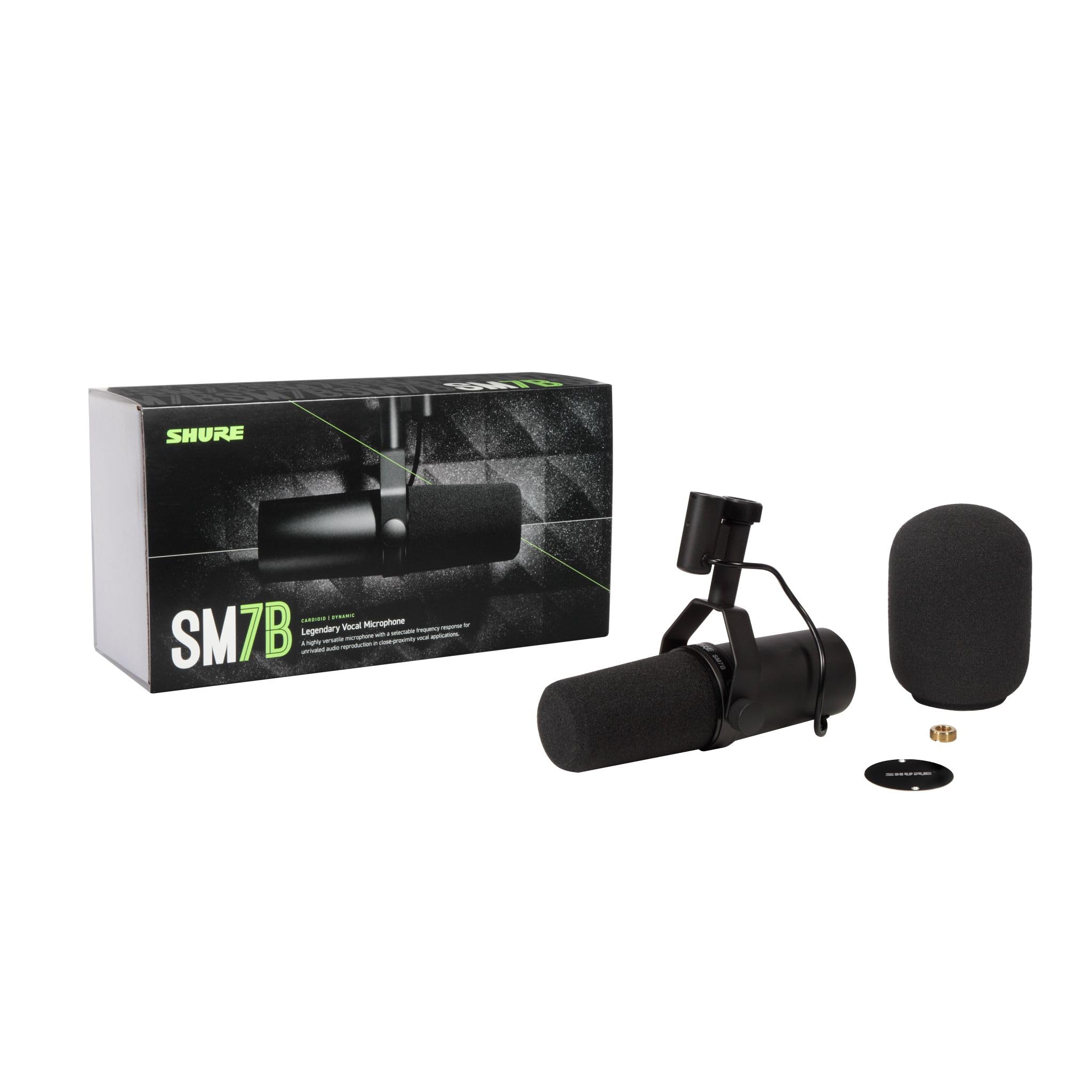
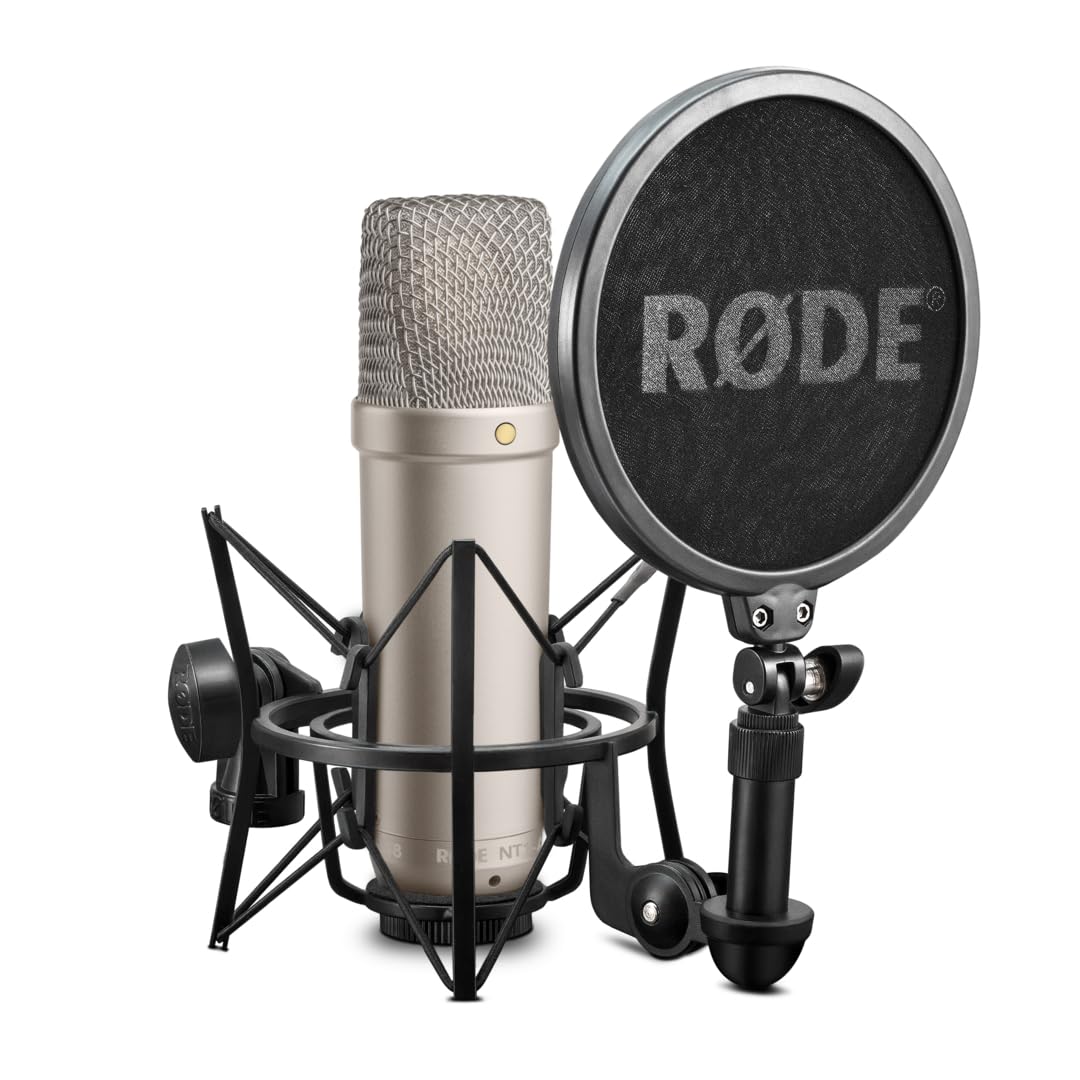
For directors who also handle podcast production for their ministry, the considerations are slightly different. The KSM8 is built around live handheld use, so for a seated podcast in a studio environment, large-diaphragm dynamics like the SM7B are often a better fit. Our SM7B versus Rode NT1 comparison walks through that decision in detail.
Long-Term Care for a Weekly Worship Mic
A microphone used every Sunday lives a harder life than most studio mics. The KSM8 is designed for it, but a few care habits will extend its life and preserve its sound.
Use individual windscreens for each soloist. Saliva and lipstick degrade the foam inside the grille and dull the high-frequency response over months of use. Disposable foam covers solve this and also address the hygiene question that became permanent practice in many churches over the past several years.
Clean the grille monthly. Unscrew it, rinse it with warm water and a drop of mild soap, let it air-dry overnight, and reassemble. Do not submerge the capsule itself.
Store it in a padded case during the week. Leaving microphones on stands in the sanctuary exposes them to humidity, dust, and accidental knocks during cleaning crews and rehearsals.
Frequently Asked Questions
Is the Shure KSM8 better than the SM58 for gospel solos?
For recorded solos that will be used for livestream or album release, yes. The KSM8's dual-diaphragm design eliminates the proximity effect that makes SM58 recordings sound bass-heavy when soloists work close. The SM58 remains a fine choice for general live use, but the KSM8 captures gospel solos with significantly more tonal accuracy and dynamic range.
Can the KSM8 handle high-SPL gospel belting without distortion?
Yes. The KSM8 is rated for very high sound pressure levels because it is a dynamic microphone, and it shows no audible distortion even when a powerhouse soloist is belting at full volume directly on the grille. The preamp clipping is far more likely than capsule overload, so set your gain conservatively.
What polar pattern does the KSM8 use, and why does it matter for Sunday service?
The KSM8 is a cardioid handheld with unusually consistent off-axis response. In a Sunday service context with monitor wedges, a full band, and a choir behind the soloist, that consistency means the bleed that enters the mic from the sides and rear sounds natural and easy to mix, rather than honky or boxy.
Do I need phantom power for the Shure KSM8?
No. The KSM8 is a passive dynamic microphone and does not require phantom power. You can leave 48V engaged on the channel without harming the mic, but it draws no current. This makes it compatible with virtually any modern mixer or audio interface.
How do I prevent feedback when using the KSM8 with stage monitors?
Position monitor wedges in the KSM8's null zones, roughly 120 to 135 degrees off the front axis, rather than directly behind the singer. Keep the soloist close to the capsule, around two to four inches, so the source-to-bleed ratio favors the vocal. If feedback persists, narrow problem frequencies with a parametric EQ on the channel rather than pulling overall gain.
Is the KSM8 a good choice if I also record podcasts during the week?
It is usable but not ideal for seated podcast work. The KSM8 was engineered for handheld live performance. For a desk-mounted podcast workflow, a large-diaphragm dynamic like the SM7B or a broadcast condenser will typically serve you better. See our top podcast microphones for 2026 for the studio-focused options.
What accessories should I budget for alongside the KSM8?
Plan for a quality XLR cable, individual foam windscreens for each soloist, a padded mic clip or stand mount, and a hard-shell case for transport and storage. If you are recording to a separate rig, factor in a transformer-isolated splitter and clean preamps. Reviewing our essential recording equipment guide can help you map the rest of the signal chain.
Key Takeaways
- Choosing the right Shure KSM8 for gospel choir directors means matching capacity and output ports to your actual devices
- Always check actual watt-hours (Wh), not just watts — runtime depends on Wh, not peak output
- Also covers: Shure KSM8 Sunday service solo vocals
- Also covers: dualdyne mic for gospel lead singers in sanctuaries
- Also covers: Shure KSM8 vs SM58 for church soloists
- Compare price-per-Wh across models to find the best value for your budget