Quick Answer for Cloudlifter Owners
If you already own a Cloudlifter CL-1 and you are weighing sm58 vs sm7b cloudlifter podcasting decisions on a budget, the short answer is this: keep using the SM58 if your room is untreated and your interface is modest, and only step up to the SM7B if you have a quieter space and want that broadcast-warm low end. Both microphones are dynamics that benefit from the Cloudlifter's clean +25 dB of inline gain, but they sound, sit, and behave very differently in front of a podcaster. The SM58 is roughly a quarter of the SM7B's price, rejects room noise aggressively, and pairs surprisingly well with an activator when your preamp is noisy. The SM7B rewards a quieter space, deeper EQ commitment, and proper placement with a richer, smoother voice. Below, we break down what changes when a Cloudlifter is already in the chain, who should upgrade, and who should put that money into treatment or an interface instead.
Why the Cloudlifter Changes the Whole Conversation
Before the Cloudlifter, every SM58 vs SM7B comparison was dominated by one stubborn problem: gain. Both microphones are passive dynamics with low output. The SM7B is famously gain-hungry, demanding around 60 dB of clean preamp gain to reach a usable podcast level. The SM58 is a few decibels more sensitive but still benefits from extra headroom on cheap interfaces. The Cloudlifter CL-1 solves this by injecting roughly +25 dB of transparent gain before your interface preamp ever sees the signal, so your Scarlett, Volt, or UMC can sit at sane, hiss-free settings.
That single change rewrites the buying decision. On a budget interface with a Cloudlifter, the SM58 suddenly behaves like a much more expensive microphone, with quiet noise floor and natural vocal weight. The SM7B, meanwhile, finally hits its sweet spot without you cranking gain to maximum. So the real sm58 vs sm7b cloudlifter podcasting question is not 'which mic needs the lifter more' but 'which mic deserves the chair you are sitting in right now.'
SM58 With a Cloudlifter: The Underrated Podcaster's Workhorse
The Shure SM58 was designed in 1966 as a stage vocal microphone, and that pedigree is exactly why it works so well for untreated home podcasts. Its cardioid pickup pattern is tight, its presence peak around 4 kHz emphasizes vocal intelligibility, and its built-in pop filter forgives sloppy mic technique.
With a Cloudlifter inline, the SM58's small output limitation evaporates. You will be running your interface preamp at roughly 30 to 40 percent gain rather than maxed out, which means dramatically less hiss. The result is a voice that is forward, articulate, and remarkably free of room reflections, refrigerator hum, or sibling-in-the-next-room bleed. For solo podcasters working in a bedroom or a converted closet, that rejection alone is worth more than a tonal upgrade.
The downside of an SM58 is its limited low-end extension. It will not give you the chest-rumble warmth that broadcasters chase. Some of that can be coaxed back with EQ: a gentle low shelf boost around 100 Hz, a dip in the 250 to 400 Hz mud range, and a small presence lift around 5 kHz can bring an SM58 surprisingly close to a smooth radio sound without ever buying a different microphone.
SM7B With a Cloudlifter: The Reason You Bought the Cloudlifter
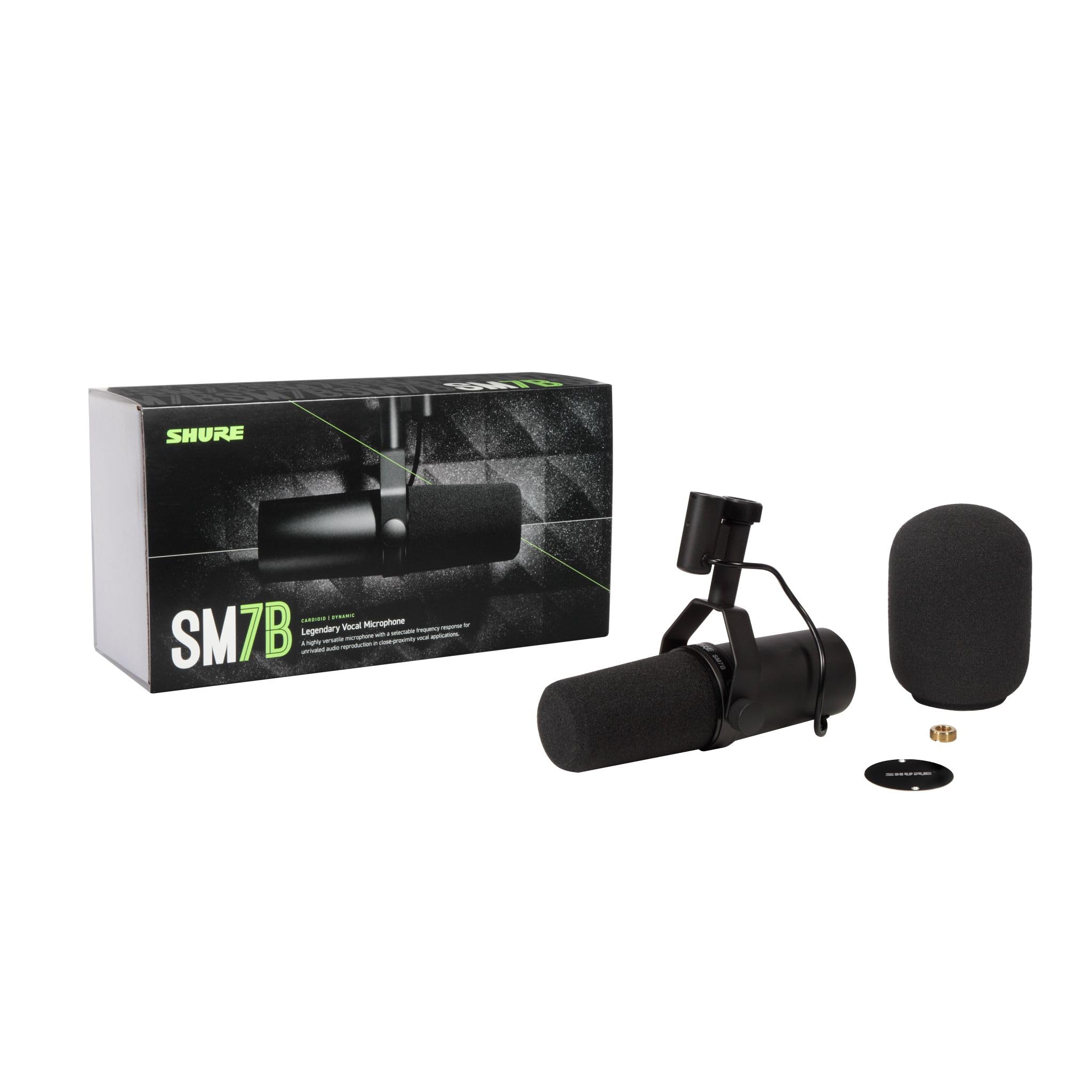
If you originally purchased the Cloudlifter, you almost certainly bought it with the SM7B in mind. The two have become the de facto podcasting and streaming pairing for a reason. The SM7B has a wider, smoother frequency response, less pronounced presence peak, and a more flattering low end that makes nearly every voice sound bigger and more authoritative.
With a Cloudlifter in line, the SM7B finally hits its design target on budget gear. A Scarlett 2i2 or Behringer UMC22 simply cannot deliver clean SM7B-level gain on its own, but with a lifter you can run the interface preamp around halfway and still capture a healthy signal. The SM7B's internal pop filter, switchable presence boost, and bass rolloff give you tonal control directly on the microphone, which is helpful when you do not have a software EQ chain dialed in yet.

The catch is the SM7B's pickup pattern is slightly more forgiving of off-axis sound than the SM58, meaning it picks up a bit more of your room. In a truly bad acoustic space, the SM7B's superior low-end response can actually work against you by capturing more rumble, HVAC noise, and reflections. This is where a lot of new owners get burned: they spend $400 expecting magic and end up with a more honest recording of their messy room.
Head-to-Head Comparison
| Spec or Trait | Shure SM58 | Shure SM7B |
|---|---|---|
| Approximate street price | $99 to $109 | $399 to $429 |
| Type | Cardioid dynamic | Cardioid dynamic |
| Frequency response | 50 Hz to 15 kHz | 50 Hz to 20 kHz |
| Sensitivity | -54.5 dBV/Pa | -59 dBV/Pa |
| Gain needed (no Cloudlifter) | ~50 dB | ~60 dB |
| Gain needed (with Cloudlifter) | ~25 dB | ~35 dB |
| Room rejection | Excellent, very tight | Very good, slightly wider |
| Built-in pop filter | Yes, basic | Yes, dual layer |
| Onboard EQ switches | No | Bass rolloff, presence boost |
| Best for | Untreated rooms, beginners | Treated rooms, voice-focused content |
When to Stay With the SM58
The SM58 is the correct choice for far more podcasters than the internet admits. You should stay with it if any of the following describe you:
- Your recording space has hard walls, no acoustic panels, and noticeable echo.
- You record in a shared household where doors slam, dogs bark, or HVAC kicks on mid-episode.
- You use a budget interface like a Scarlett Solo, Volt 1, or UMC22.
- Your podcast is conversational or interview-driven rather than narrative or ASMR.
- You have under $200 left in your gear budget and need headphones or treatment more than a microphone.
- You have at least basic acoustic treatment: panels behind you, soft furnishings, or a vocal booth setup.
- You record solo voice content like audiobooks, sleep stories, or narrative documentary podcasts.
- You have a strong, consistent voice and want a warmer, broadcast-style sound.
- You plan to use the same microphone for streaming, voiceover, or music vocals as well.
- You are committed to maintaining consistent 2 to 4 inch mic technique on a boom arm.
- A pair of closed-back monitoring headphones so you can actually hear what you sound like.
- Two to four broadband acoustic panels positioned at first reflection points.
- A boom arm with internal cable routing to lock in consistent mic distance.
- A slightly nicer audio interface with cleaner preamps and lower latency monitoring.
In all of these scenarios, the SM58 plus Cloudlifter combination outperforms the SM7B in actual delivered audio quality, simply because it captures less of the things you do not want.
When the SM7B Upgrade Is Worth It
The SM7B becomes the right answer when you have already addressed everything around the microphone. Specifically, upgrade if:
If you are still recording on a desk with a hard surface, swapping to the SM7B will not fix the boxiness or echo you hear in playback. A cheaper, more impactful upgrade path is to spend that $400 on a real boom arm, two acoustic panels, and a reflection filter, and keep the SM58 for another six months. For a deeper walkthrough on that decision, our guide to running an SM7B in an untreated bedroom covers what you can and cannot fix with EQ alone.
The Hidden Third Option: Spend the Money Elsewhere
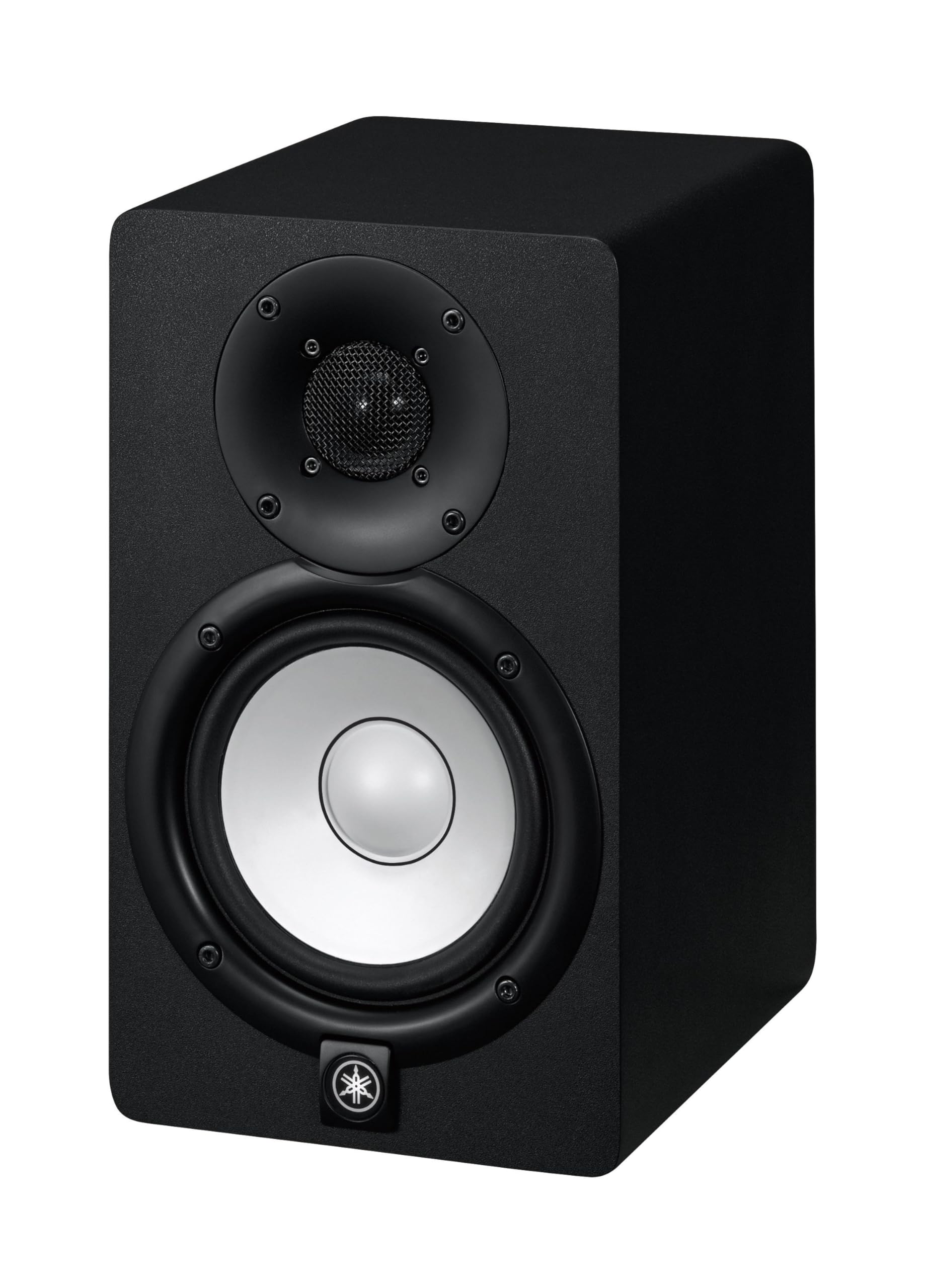
Many Cloudlifter owners discover that their bottleneck is not the microphone at all. If your SM58 plus Cloudlifter chain already sounds clean, the next dollar is almost always better spent on:
None of these are as exciting as a new microphone, but every one of them moves your podcast forward more reliably than an SM58 to SM7B swap. For a structured look at what order to build a budget setup in, see our essential podcasting equipment guide and our breakdown of how to choose the right microphone for podcasting at each budget tier.
Real-World Workflow Tips
Regardless of which microphone you settle on, a few small adjustments will pull the most out of your Cloudlifter chain. First, plug the Cloudlifter directly into the microphone with a short XLR jumper, not at the interface end. This minimizes the length of low-level cable carrying the weakest signal. Second, engage 48V phantom power at the interface, not at the mic; the Cloudlifter needs phantom to operate, but neither the SM58 nor the SM7B do. Third, set your interface gain by speaking at your normal podcast volume and aiming for peaks around -12 to -10 dBFS, leaving plenty of headroom for laughter and emphatic moments.
Finally, do not skip post-production EQ. Both microphones benefit from a high-pass filter around 80 to 100 Hz to remove rumble, a gentle dip in the 200 to 400 Hz range to cut mud, and a subtle de-esser if your presence peak is harsh. Even a $99 SM58 can sound like a premium broadcast mic after five minutes of thoughtful EQ on top of a clean Cloudlifter-fed signal.
The Verdict for 2026 Budget Podcasters
For most listeners reading this, the honest sm58 vs sm7b cloudlifter podcasting verdict in 2026 is to keep the SM58, embrace what your Cloudlifter is already doing for it, and reinvest the SM7B price difference into the room, the chair, and your workflow. The SM7B is a genuinely better microphone in a controlled environment, but the SM58 with a Cloudlifter is the more forgiving, more flattering, and more cost-effective choice for nearly every untreated home podcaster. Upgrade when your environment deserves the upgrade, not before.
Frequently Asked Questions
Do I actually need a Cloudlifter for an SM58 in podcasting?
Strictly speaking, no. The SM58 outputs about 4 to 5 dB more signal than the SM7B and works without an activator on most interfaces. However, if you already own the Cloudlifter, leaving it inline gives you a quieter noise floor, less preamp hiss, and more headroom, which makes the SM58 sound noticeably more professional with no downside.
Will a Cloudlifter make an SM58 sound like an SM7B?
No. The Cloudlifter is transparent gain, not a tone shaper. It will not add the low-end warmth, smoothness, or presence character of an SM7B. What it will do is let your SM58 reach optimal recording level without forcing your interface preamp into hissy territory, which makes the SM58 sound like the best possible version of itself.
Can I use the same Cloudlifter if I upgrade from SM58 to SM7B later?
Yes, and that is exactly the smartest upgrade path. The Cloudlifter CL-1 is mic-agnostic and works with any passive dynamic or ribbon microphone. Buying one now to pair with your SM58 is essentially a down payment on a future SM7B, RE20, or MV7X upgrade without having to repurchase the activator.
Is the SM7B worth it if I record in an untreated bedroom?
Usually not yet. The SM7B's wider, smoother response captures more of your room, so without treatment it can actually sound boxier or boomier than an SM58 in the same space. Treat the room first, or pair the SM7B with a reflection filter and short throw distance before expecting broadcast-quality results.
What interface settings should I use with an SM58 and Cloudlifter together?
On a typical interface like a Focusrite Scarlett or Universal Audio Volt, enable 48V phantom power, then set gain so that your normal speaking voice peaks around -12 dBFS on the meters. That usually lands somewhere between 25 and 40 percent on the gain knob, which keeps preamp hiss inaudible while preserving headroom for laughter.
Does the Cloudlifter add any noise or coloration to the signal?
The CL-1 is widely regarded as one of the cleanest activators available, adding well under 1 dB of noise and no measurable coloration. Any perceived warmth or improvement is the indirect result of running your interface preamp at lower, cleaner gain settings, not from the Cloudlifter changing tone.
Should I consider a different dynamic mic instead of either Shure option?
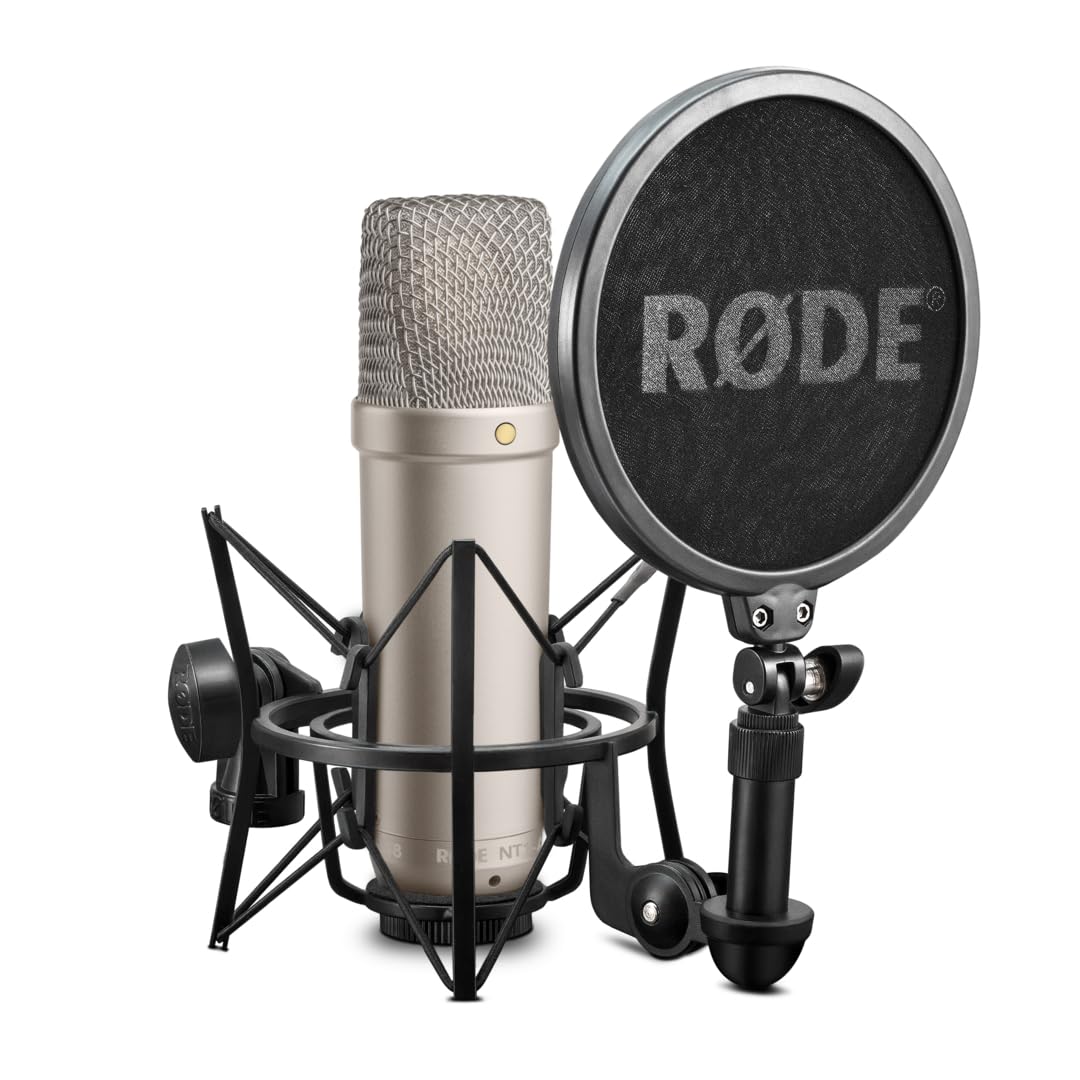
If broadcast warmth on a budget is the goal, the Shure MV7X and Rode PodMic are both worth comparing to the SM58 in this price range, while the Electro-Voice RE320 and Heil PR40 compete with the SM7B at the upper tier. Our roundup of the best microphones for podcasting in 2026 compares all of these side by side so you can sanity-check the SM58 versus SM7B decision against the wider market.
Key Takeaways
- Choosing the right sm58 vs sm7b cloudlifter podcasting means matching capacity and output ports to your actual devices
- Always check actual watt-hours (Wh), not just watts — runtime depends on Wh, not peak output
- Also covers: shure sm58 sm7b with cloudlifter
- Also covers: cloudlifter sm58 podcast comparison
- Also covers: sm7b vs sm58 budget podcast
- Compare price-per-Wh across models to find the best value for your budget