For roving conference interviewers juggling four handhelds across a noisy expo floor, the zoom podtrak p4 conference interview four mics workflow is one of the most practical mobile rigs you can build in 2026. The PodTrak P4 gives you four XLR inputs with phantom power, four dedicated headphone outs, individual gain knobs, and onboard multi-track recording to a single microSD card — all in a device that fits in a sling bag. That means a host plus three guests (or one interviewer cornering three subject-matter experts at a vendor booth) can plug in dynamic handhelds, monitor in real time, and walk away with isolated WAV files per speaker for clean post-production.
Below is a practical buyer's guide for assembling that rig: what handhelds pair best with the P4, how to set gain in a loud convention hall, how to wrangle cable runs while mobile, and what the realistic limits are when you take the unit off the desk and into a crowd.
Why the PodTrak P4 fits roving conference interviewing
Conferences create three problems that desk-bound podcast rigs handle badly: ambient noise above 80 dB SPL, unpredictable guest count, and the need to relocate between sessions in under five minutes. The P4 solves all three. Its four XLR inputs accept dynamic handhelds (the right choice for loud rooms because they reject room tone), it runs on two AA batteries for roughly two hours of untethered recording, and it records each input to its own track so a problem on one mic doesn't ruin the interview.
The catch worth knowing up front is that the P4 has no built-in limiter beyond a fixed mic-level pad and no per-channel compression. For roving work you set conservative gain and ride the knobs — or accept that loud bursts (applause, a guest shouting over a keynote bleed) may need clipping repair in post. That tradeoff is acceptable for most interview content; it's not acceptable for live broadcast.
Building the four-handheld rig
Choosing the handhelds
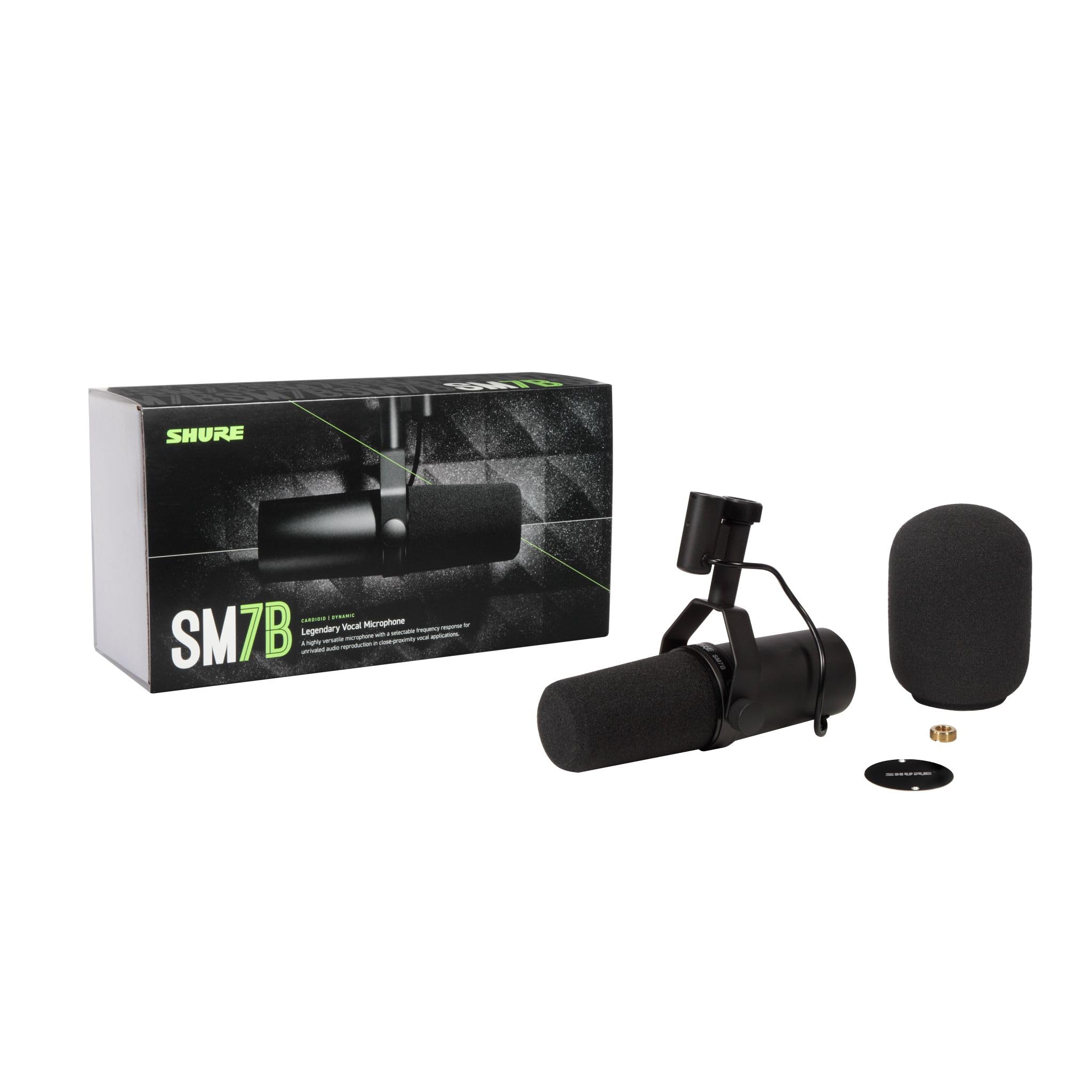
For a zoom podtrak p4 conference interview four mics build, stick to dynamic handhelds with tight cardioid or supercardioid patterns. The Shure SM58 remains the default because it tolerates handling noise, rejects rear bleed, and survives being dropped on concrete. The Sennheiser e835 is its closest competitor with slightly more presence in the 4–6 kHz range, which can help guests cut through expo-hall din. The Shure MV7 is tempting because of its podcast-friendly voicing, but it's heavier than a true handheld and its USB-side features go unused on the P4 — you're paying for capability you can't access in this rig.
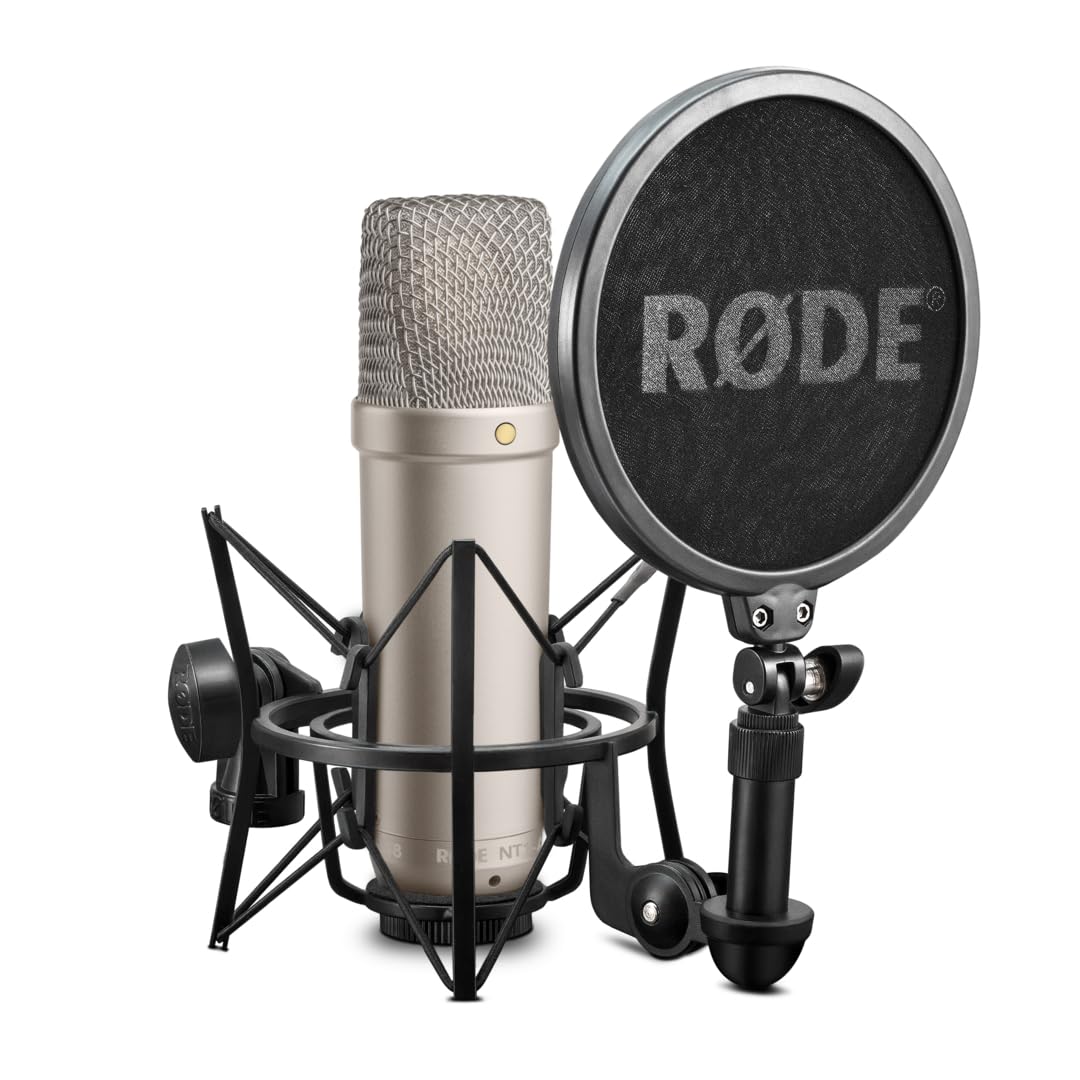
Avoid condensers entirely on the floor. Even a quality large-diaphragm condenser like the Rode NT1 will pull in HVAC rumble, the booth next door, and the PA system. Save condensers for the hotel-room debrief recordings.
Cable strategy
Four 10-foot XLR cables is the sweet spot. Shorter cables tangle when guests gesture; longer cables drag and snag on chairs. Color-code the cables (red, blue, green, yellow gaffer tape rings near each end) so you can match a microphone to its channel on the P4 without thinking — critical when you're setting gain in under thirty seconds. Coiled velcro ties beat rubber bands; they survive being shoved into a backpack pocket repeatedly.
Headphones for the guests
The P4's four headphone outs each have an independent volume knob, which is the feature that justifies its price for interview work. Cheap closed-back headphones (Audio-Technica ATH-M20x, Sony MDR-7506 if budget allows) let guests hear themselves and the interviewer, which dramatically reduces the "talking over each other" problem common in standing interviews. Don't skip this step assuming guests will be fine without monitoring; in a loud room, an unmonitored guest will shout, and shouting clips.
Setting gain in a loud room
The P4's input knobs have eleven detents. As a starting point on a convention floor with ambient noise around 75–85 dB SPL, set each channel to roughly the 9 o'clock position with a dynamic handheld held two to four inches from the speaker's mouth. Have the speaker count to ten at the volume they'll actually use during the interview (people consistently speak quieter in soundcheck than in conversation — add 3–5 dB of headroom for this). Watch the channel LEDs; you want peaks hitting yellow but never red.
The P4 records at 24-bit, 44.1 or 48 kHz. Use 48 kHz if your podcast publishes to video platforms, 44.1 if it's audio-only on Apple/Spotify. Twenty-four-bit gives you roughly 20 dB more recoverable dynamic range than 16-bit, which matters specifically because you cannot ride faders while holding a microphone and asking questions.
Power and recording media
The two-AA runtime is realistic but unforgiving. Carry a USB-C power bank capable of 5V/2A output and a short USB cable; the P4 accepts external power without interrupting a recording. For an all-day conference, plan on the power bank as primary and treat AAs as the emergency fallback. A 64 GB microSD card (UHS-I, Class 10 minimum) holds roughly 18 hours of four-track 24-bit/48 kHz WAV — enough for a full conference day with margin. Format the card in the P4 before the event, not in a computer.
What about wireless?
The honest answer for 2026: wireless handhelds at a conference are a coin flip. The 2.4 GHz spectrum is saturated by every attendee's phone, every booth's demo, and the venue's Wi-Fi. Systems like the Rode Wireless Pro can work, but they require pre-show RF scanning and a willingness to abort to wired if interference appears. For most roving interviewers, four wired XLRs into the P4 is more reliable than any wireless setup under $2,000. If you need wireless, treat it as a separate project and budget accordingly.
Alternative rigs worth considering
The P4 isn't the only path. The Zoom H6 offers four XLR inputs plus a stereo capsule and is genuinely portable, but it has only one headphone output — guests can't monitor themselves. The Zoom F3 is exceptional sounding but only handles two inputs, so it's wrong for four-mic work. The Rodecaster Duo has better onboard processing but only two XLR inputs at full capability. For four-input mobile interview work specifically, the P4 remains the cost-versus-capability winner in 2026.
If your interview format sometimes drops to two guests, the P4 still works fine — unused channels simply don't record. There's no penalty for over-provisioning inputs, only for under-provisioning them.
Workflow on the floor
A repeatable process for a five-minute setup between interviews:
First, drop the P4 onto a small folding stand or a stable surface (a vendor's table edge works if you ask). Second, plug in microphones in channel order and confirm color codes match. Third, have each guest count to ten while you set gain. Fourth, hand out headphones and set each guest's headphone knob so they can hear themselves clearly. Fifth, hit record and verify the timecode counter is advancing before you ask the first question. The five-step ritual prevents the most common failure mode: discovering after a great twelve-minute interview that channel three was never armed.
Post-production considerations
The P4 produces four mono WAV files per session (plus a stereo mixdown if enabled). Drop them into Reaper, Hindenburg, Descript, or your DAW of choice and treat each speaker independently. Expect to apply: a high-pass filter at 80–100 Hz to remove handling rumble, a gentle de-esser, and a noise gate set conservatively (–45 to –50 dB threshold) to suppress background chatter when a given mic isn't active. A multiband compressor across each voice track will tame the dynamic range that conservative gain settings create.
One specific tip for conference audio: the bleed between microphones is your friend, not your enemy. When you edit out the noise gate's gaps, leave a touch of low-level bleed in — it preserves the sense of place and makes the interview sound like a real conversation rather than four disconnected voices.
Realistic limitations
The P4 will not survive being dropped from waist height onto concrete; the plastic chassis is light for a reason. It will not give you broadcast-quality audio if you ignore gain staging. It will not magically make a poorly chosen handheld sound good. And it will not record more than four inputs — if a fifth person joins the interview, they're off-mic.
Within those limits, it's the right tool for the job described. A roving interviewer with four handhelds, a P4, a power bank, and a 64 GB card can capture a full conference day of professional-quality interviews and walk out with files ready for the same post-production workflow used on studio-recorded podcasts.
Related reading
If you're still firming up the gear stack around your roving rig, the 2026 portable recorders roundup compares the P4 against the H6, F3, and current Tascam options across price and feature dimensions. For deeper guidance on handheld selection, the essential podcasting equipment guide covers dynamic-versus-condenser tradeoffs for field use. And if you're new to interview production specifically, choosing the right microphone for podcasting walks through pattern selection in noisy environments.
Frequently Asked Questions
Can the Zoom PodTrak P4 record four guest interviews simultaneously to separate tracks?
Yes. The P4 records each of its four XLR inputs to an isolated mono WAV file on the microSD card, plus an optional stereo mixdown. This is the core feature that makes the zoom podtrak p4 conference interview four mics workflow viable — you can fix problems on one speaker's track without touching the others in post-production.
Does the PodTrak P4 provide phantom power for condenser microphones at conferences?
It does provide +48V phantom power on all four channels, but using condensers at a conference is rarely the right choice. Condensers pick up far too much ambient noise from PA systems, HVAC, and neighboring booths. Stick to dynamic handhelds like the Shure SM58 or Sennheiser e835 for floor interviews.
How long will the Zoom PodTrak P4 run on batteries during a conference day?
Two AA batteries deliver roughly two hours with all four channels active and no headphone load. Realistic conference use — with four headphones plugged in — drops that closer to 90 minutes. Carry a USB-C power bank as primary power and treat the AAs as backup. The P4 swaps power sources without interrupting an active recording.
Can roving interviewers use wireless handhelds with the PodTrak P4?
Technically yes — any wireless system with an XLR receiver output works. Practically, the 2.4 GHz spectrum at conferences is so congested that wired XLR is more reliable than most wireless rigs under $2,000. If you must go wireless, plan on RF scanning the venue and have a wired fallback ready.
What microSD card size do I need for a full day of four-mic recording?
A 64 GB UHS-I Class 10 microSD card holds approximately 18 hours of four-track 24-bit/48 kHz WAV audio, which covers a full conference day with margin for accidental overruns. Format the card in the P4 itself before the event rather than in a computer to avoid file-system mismatches.
Can guests monitor themselves while being interviewed with the PodTrak P4?
Yes, and this is one of the P4's defining advantages for interview work. Each of the four headphone outputs has an independent volume knob, so every guest can hear themselves and the interviewer at a level they choose. This dramatically reduces shouting and crosstalk in loud environments.
Is the Zoom PodTrak P4 durable enough for roving conference use?
It survives normal mobile use — being carried in a padded bag, set on tables, and bumped against chairs — but the plastic chassis won't survive a waist-height drop onto concrete. Use a small padded case for transit between sessions, and place it on stable surfaces during recording rather than holding it.
Key Takeaways
- Choosing the right zoom podtrak p4 conference interview four mics means matching capacity and output ports to your actual devices
- Always check actual watt-hours (Wh), not just watts — runtime depends on Wh, not peak output
- Also covers: podtrak p4 trade show interviews
- Also covers: p4 mobile podcast recorder conference
- Also covers: zoom p4 four handheld mics
- Compare price-per-Wh across models to find the best value for your budget